
Last updated September 20, 2026
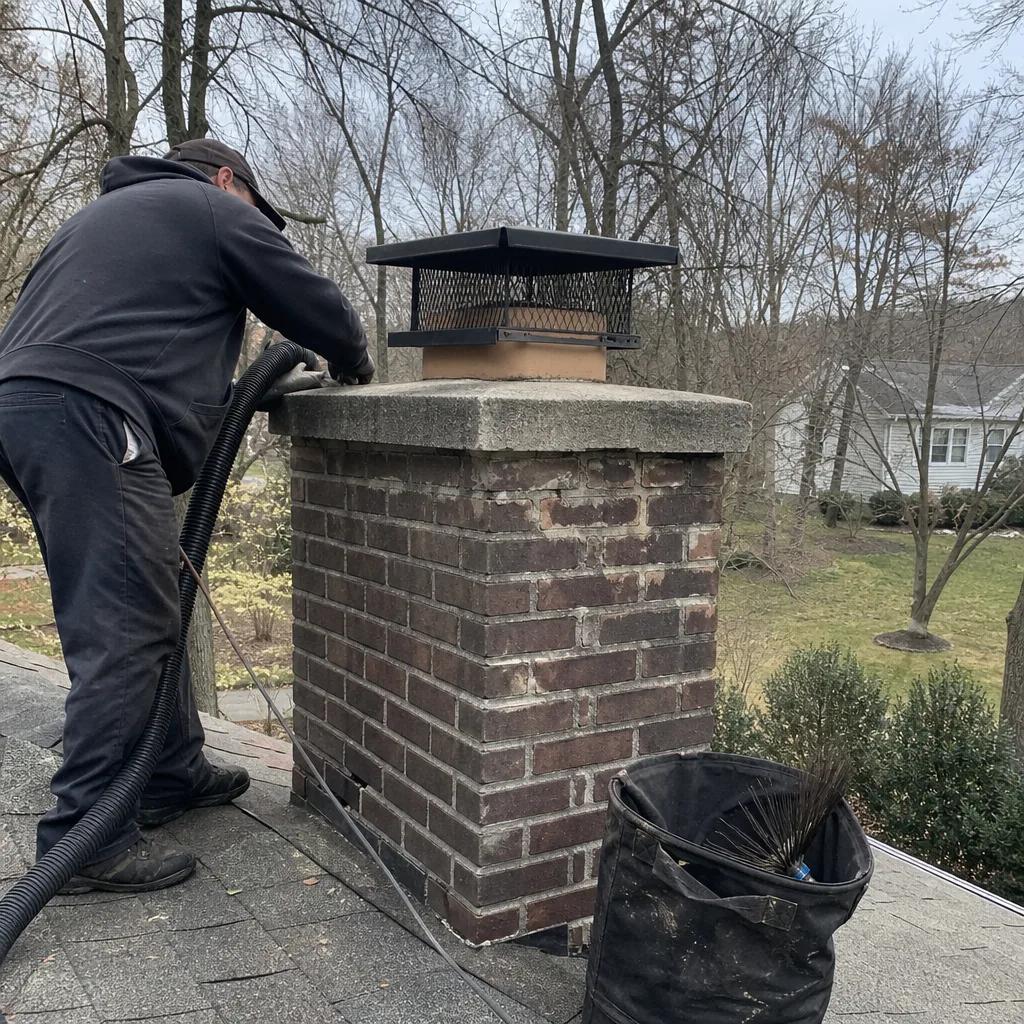
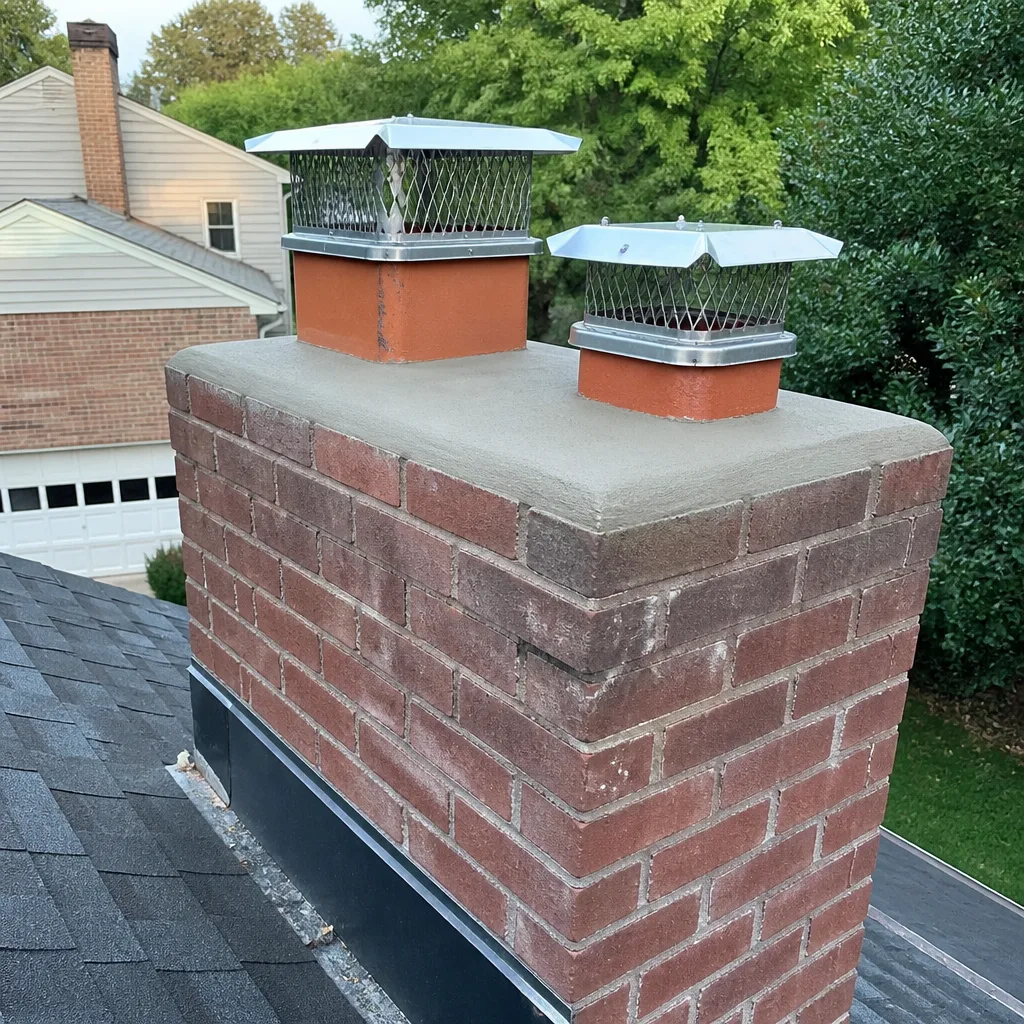
Level 1 sweep and inspection to the NFPA 211 annual standard - flue, crown, cap, and flashing checked and photographed
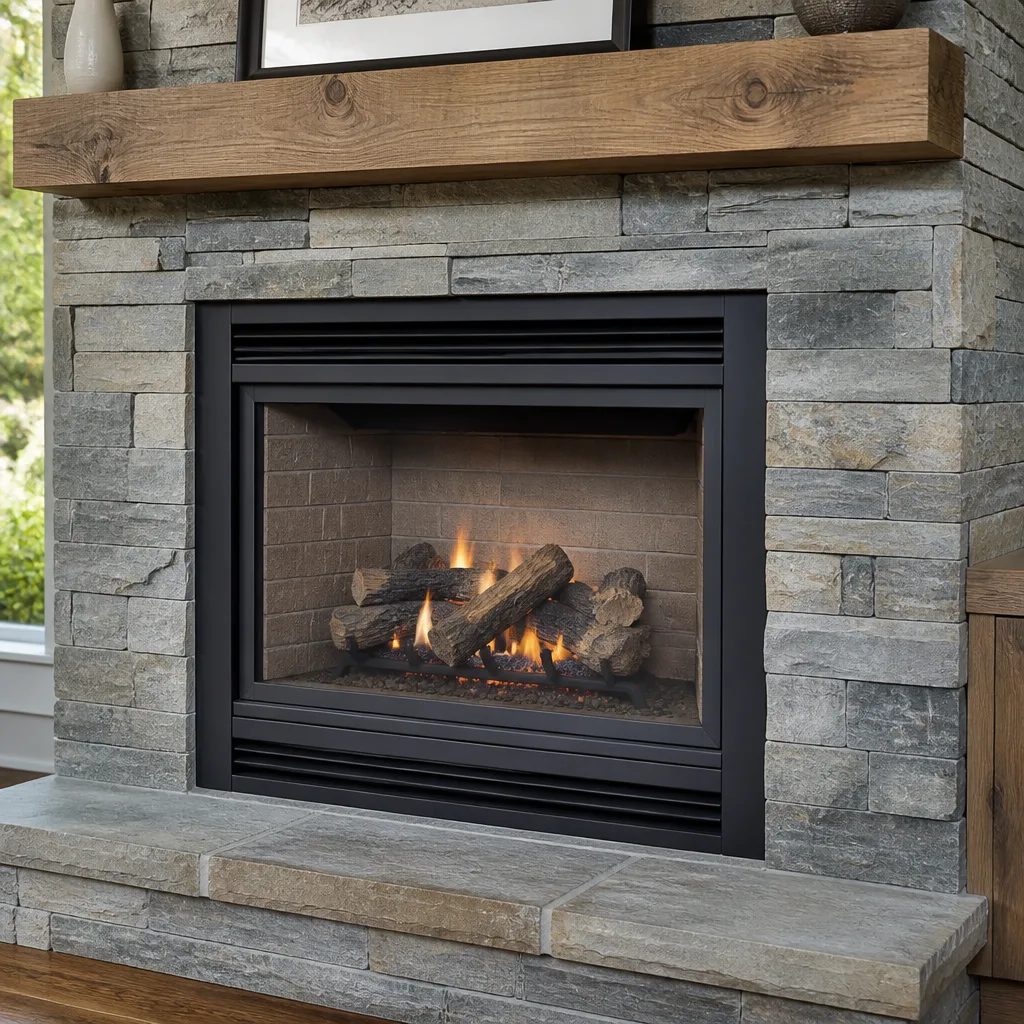
Chimney sweep logs do not sweep chimneys. They loosen some creosote - which then falls where a brush and vacuum still have to collect it.
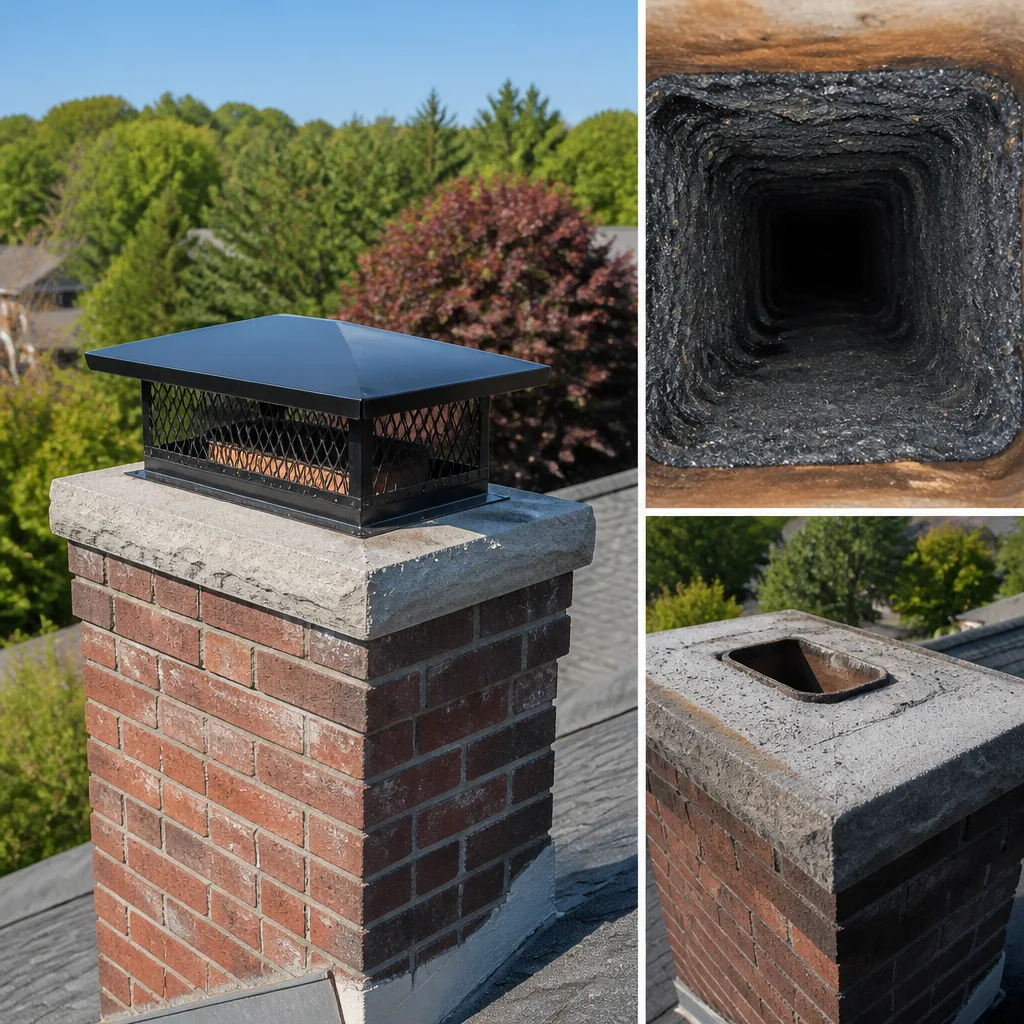
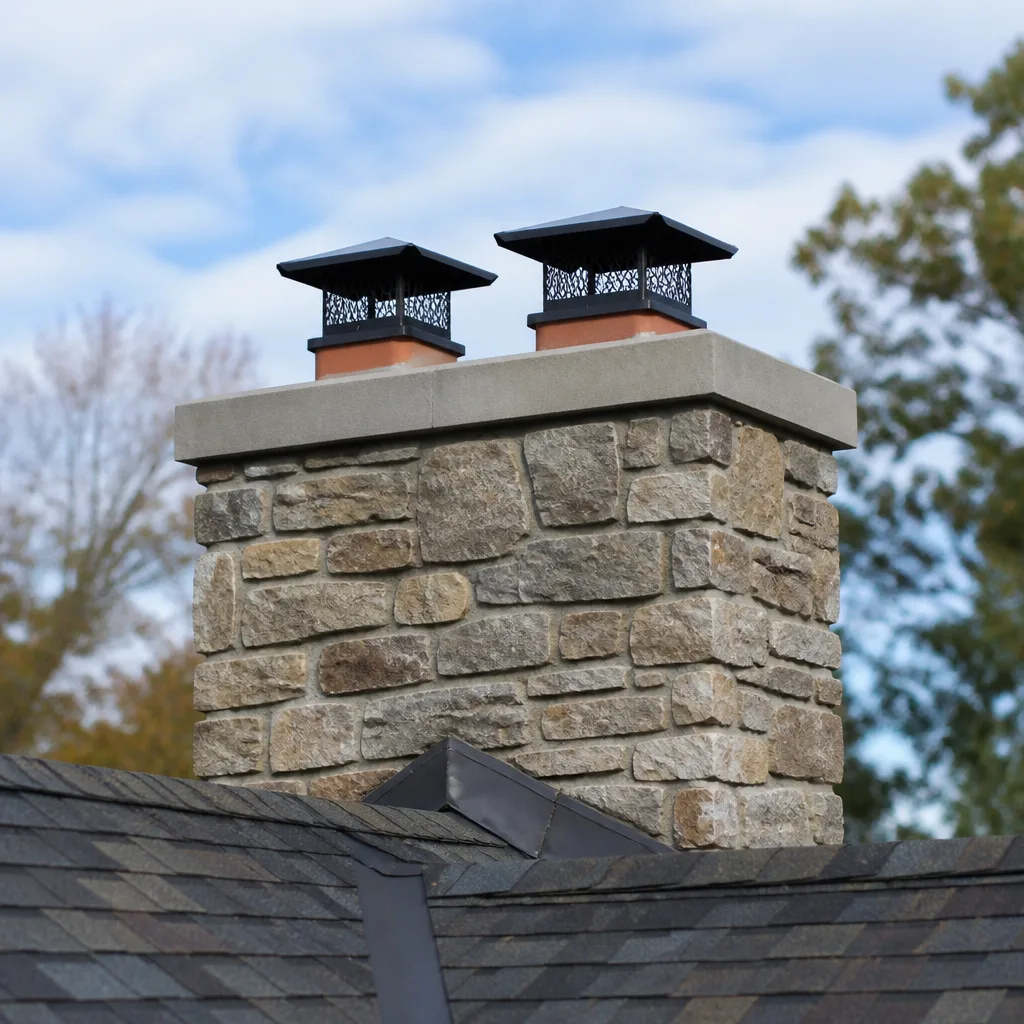
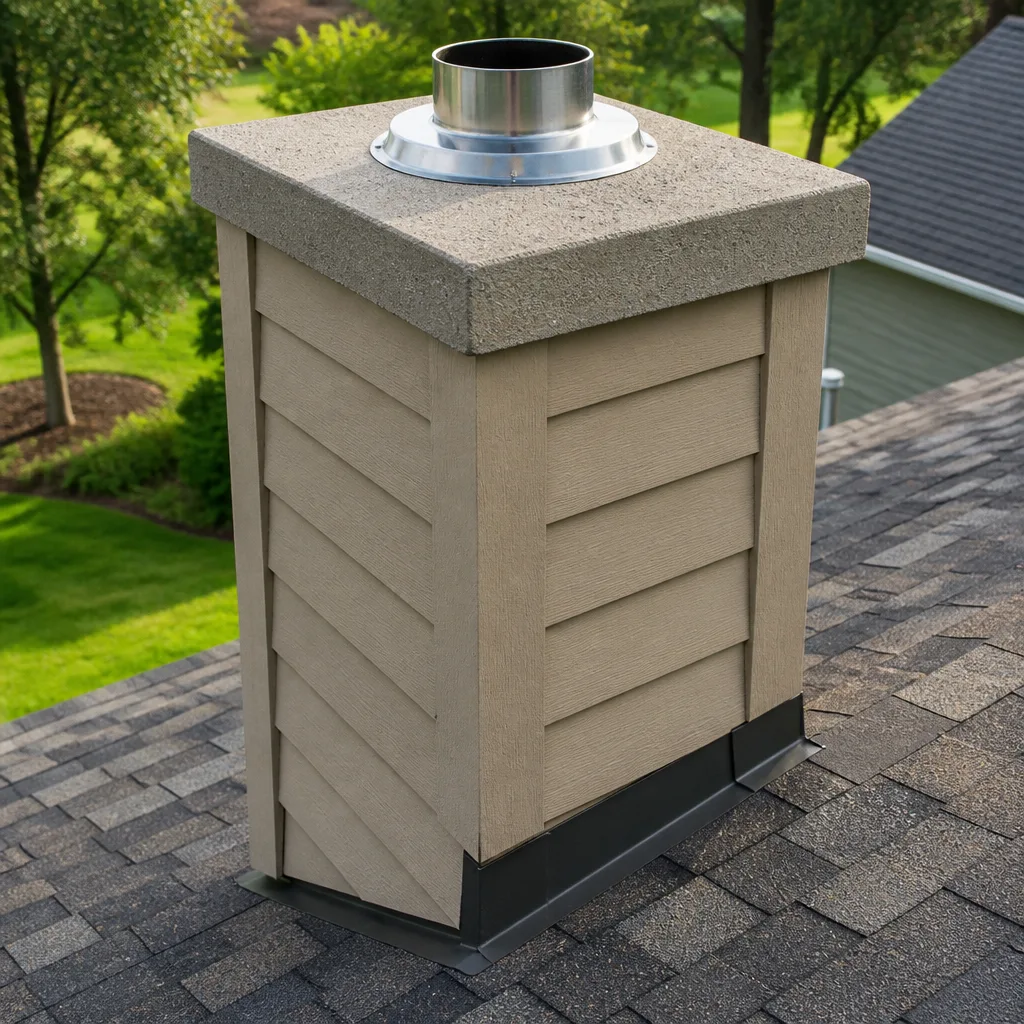
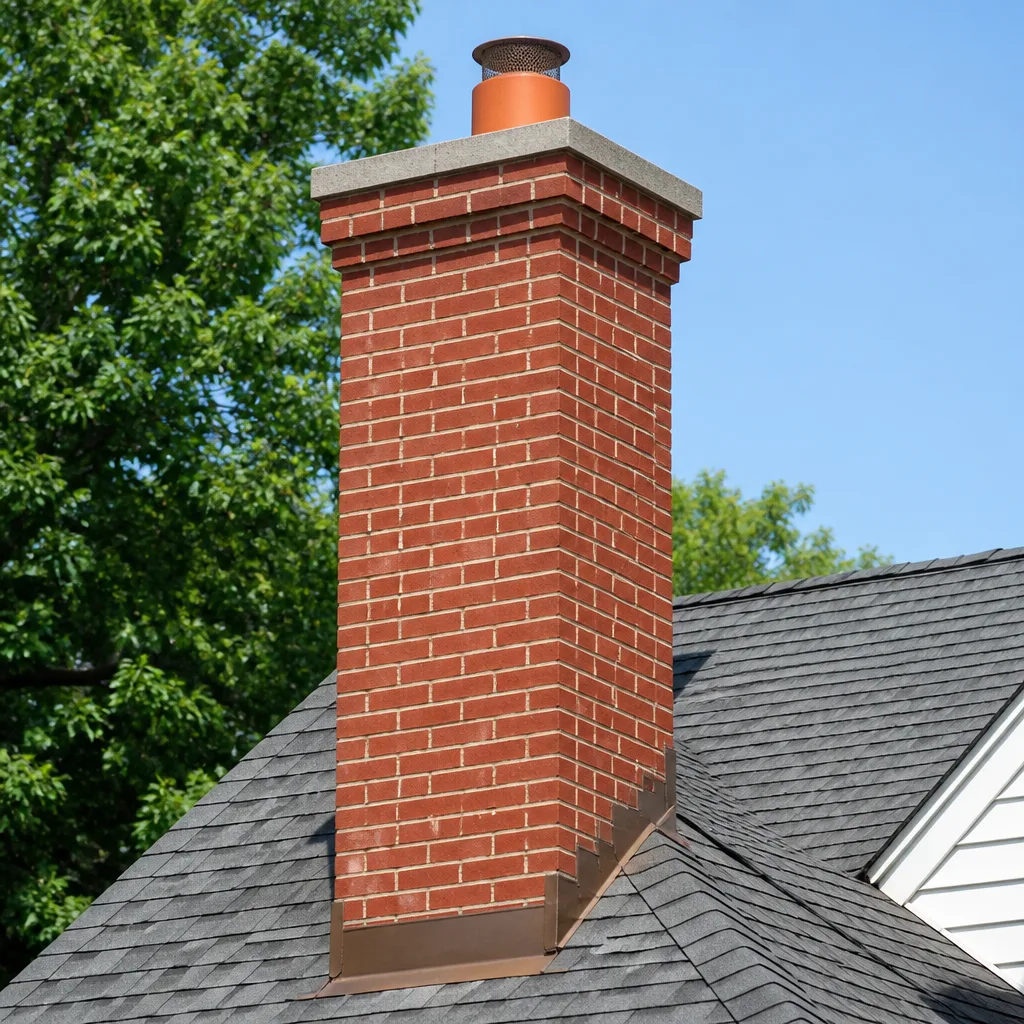
 Before
 After
After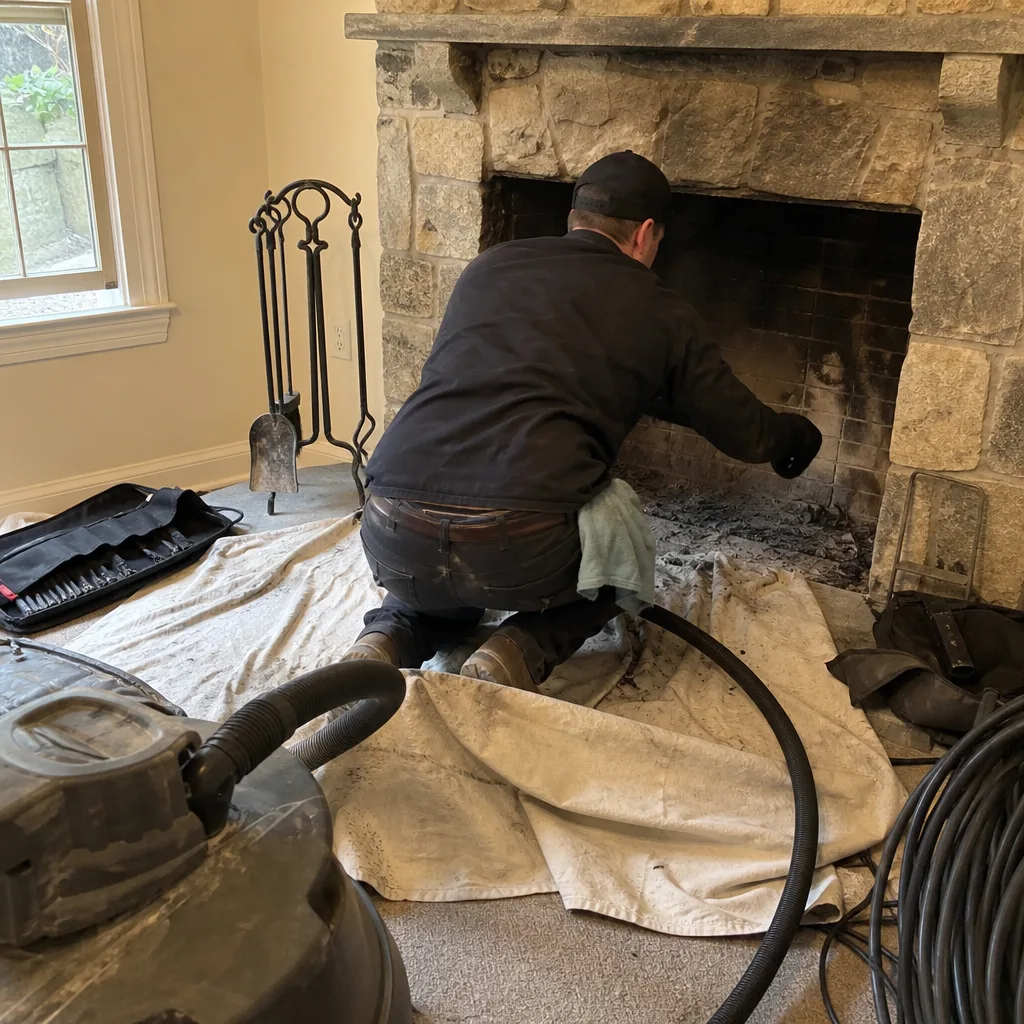 Before
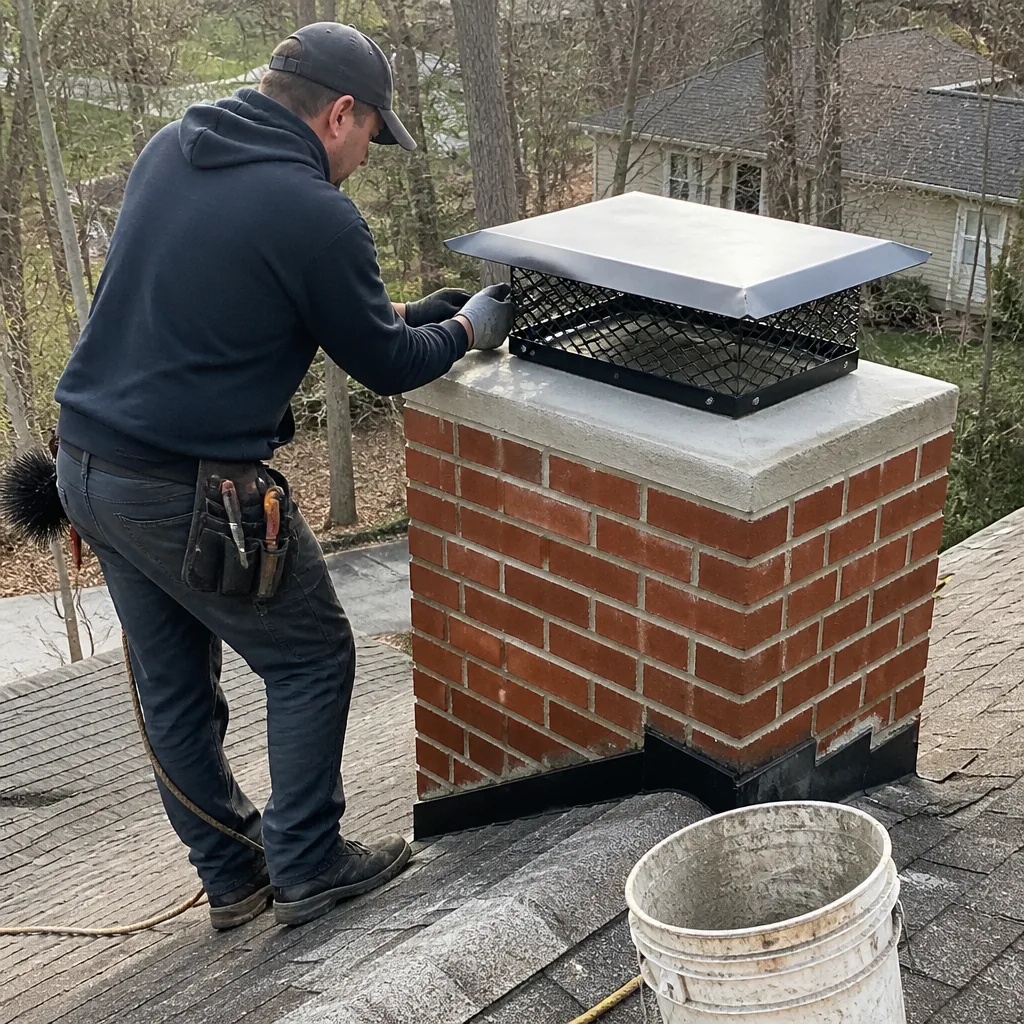 After
After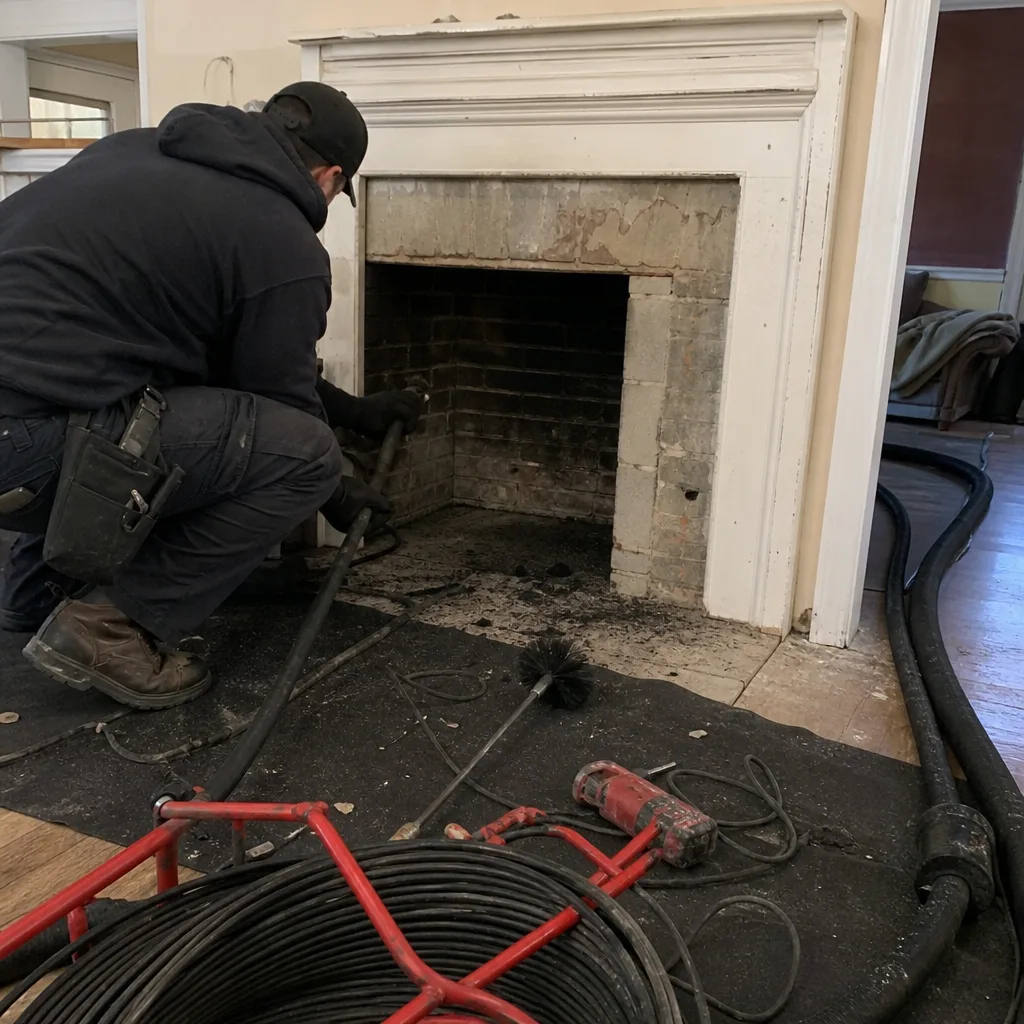 Before
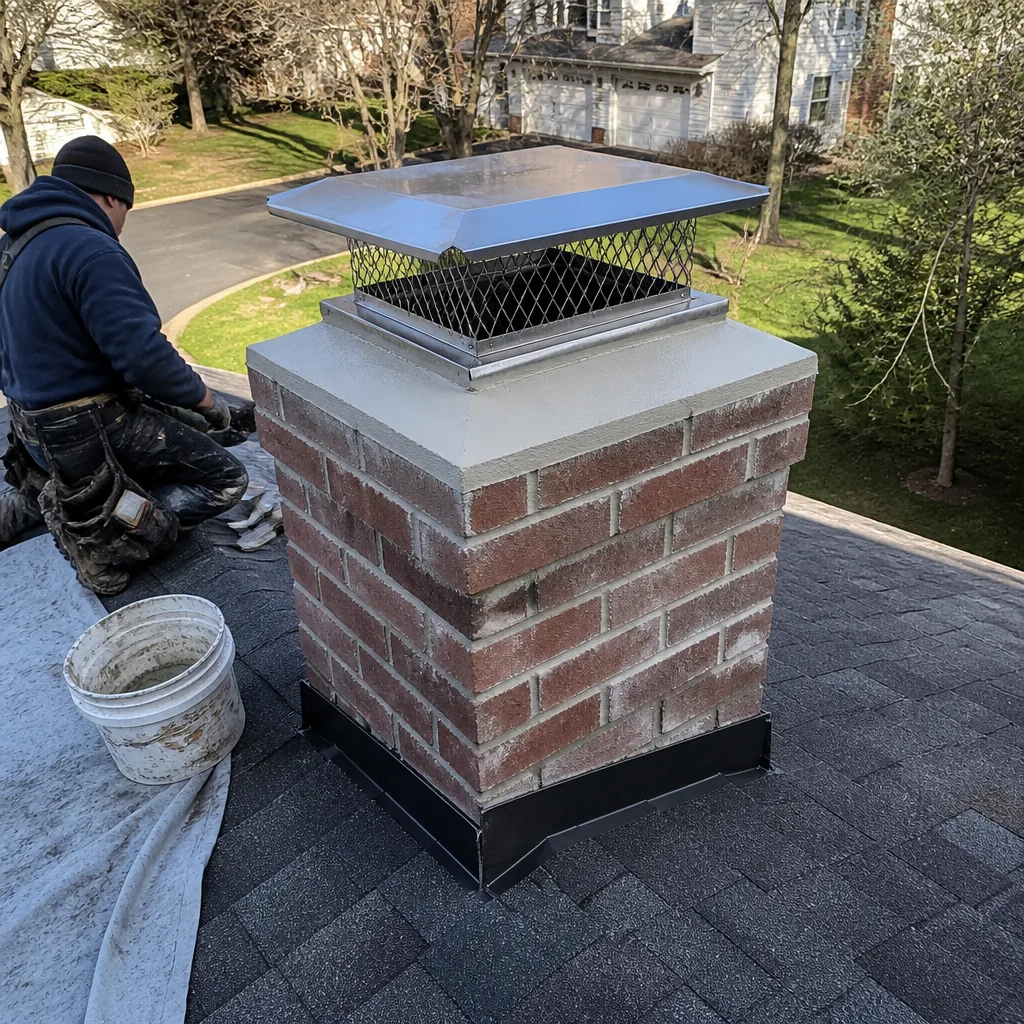 After
AfterChimney Cleaning Cost Breakdown: The Fairfax Homeowner’s Reference for 2026
In the 2026 Northern Virginia market, the gap between the cheapest advertised chimney sweep and a documented cleaning with a camera inspection runs wider than most homeowners expect, and the difference isn’t profit margin. It’s what actually happens inside the flue when no one is looking. You’ll find $89 postcard specials and $450 invoices in the same Fairfax zip code, often within a mile of each other. This guide breaks down every component of the price so you can compare quotes on a common denominator: what gets inspected, what gets removed, what gets documented, and what gets skipped entirely.
Quick Answer
Chimney cleaning in Fairfax, VA typically costs between $189 and $425 for a sweep in 2026, with the mid-range price of $250 to $320 buying a brush cleaning plus a camera-based Level 2 inspection and written report. For a full breakdown of what should be included, see our Chimney Cleaning & Sweep Maintenance Checklist for Fairfax Homeowners. The $89 specials you see advertised cover a basic Level 1 visual check and a brush through accessible flue sections only. The line items that separate the prices are the camera scan, the documentation, and the liner condition report.
Table of Contents
- Component-by-Component Price Ranges for Fairfax in 2026
- What Drives Price Variation in the Same Fairfax Zip Code
- How to Read a Chimney Estimate: The Camera Scan Line Item
- The Real Cost of Deferring Cleaning by One Season
- What a Written Price Guarantee Actually Covers
- Fairfax-Specific Factors: Climate, Codes, and Construction
- Common Mistakes to Avoid
- When to Call a Professional
- Frequently Asked Questions
- The Bottom Line
BeforeAfterComponent-by-Component Price Ranges for Fairfax in 2026
Chimney work in Fairfax isn’t one service with one price. It’s a set of components, each with its own labor, equipment, and time requirement. When you see a quote for $189 or $390, you’re seeing a bundle. Here’s what each piece costs on its own in the 2026 Fairfax market, based on what we see on written estimates across Northern Virginia.
| Component | 2026 Fairfax Price Range | What It Includes | What It Does NOT Include |
|---|---|---|---|
| Level 1 visual inspection | $49 to $99 | Flashlight check of firebox, damper, and visible flue interior from the top or bottom | Camera scan, liner documentation, written condition report |
| Basic brush sweep | $89 to $150 | Mechanical brush through flue, collection of loose creosote at firebox level | Camera verification, smoke chamber cleaning, crown inspection |
| Level 2 camera inspection (NFPA 211) | $99 to $200 | Full flue video scan, liner condition assessment, documented photo record | Any repair work, liner replacement |
| Written condition report with photos | $0 to $75 | Photo documentation of flue before and after cleaning, written scope of any recommended work | Frequently free with a full sweep, sometimes an add-on |
| Smoke chamber cleaning | $50 to $125 | Removal of creosote from smoke chamber and shelf area above the damper | Often skipped by basic sweep specials |
| Chimney cap replacement | $150 to $450 installed | New cap, often stainless steel or copper mesh, secured to crown | Crown repair if crown is spalling or cracked |
| Crown coat (resurfacing) | $250 to $600 | Application of crown sealer over minor cracking, extending crown life 5-10 years | Full crown rebuild if structural cracking exists |
| Liner repair (minor patch or spot treatment) | $300 to $800 | Localized repair of small liner gaps or corrosion spots, often with a HeatShield or similar product | Full liner replacement |
| Full liner replacement | $3,500 to $8,500 | Complete stainless steel or DuraFlex liner install, typically 25+ year lifespan | Masonry repair, crown rebuild |
Two things stand out from this table. First, the $89 special bundles the first two rows only, and the camera inspection is always a separate item. Second, the jump from a $300 liner patch to a $7,000 liner replacement is exactly where deferral crosses into major expense. That threshold gets its own section below.
For homeowners in Fairfax neighborhoods like Mantua, Fairfax Woods, or the developments off Route 123 near George Mason, the most common quote we see from other companies is a flat $189 to $229 sweep that includes the brush work and a visual check, with the camera scan offered as a $99 to $149 “add-on” once the tech is already on site. Our position is different: the camera scan is standard on every Chimney Cleaning & Sweep in Fairfax, not an upsell.
What Drives Price Variation in the Same Fairfax Zip Code
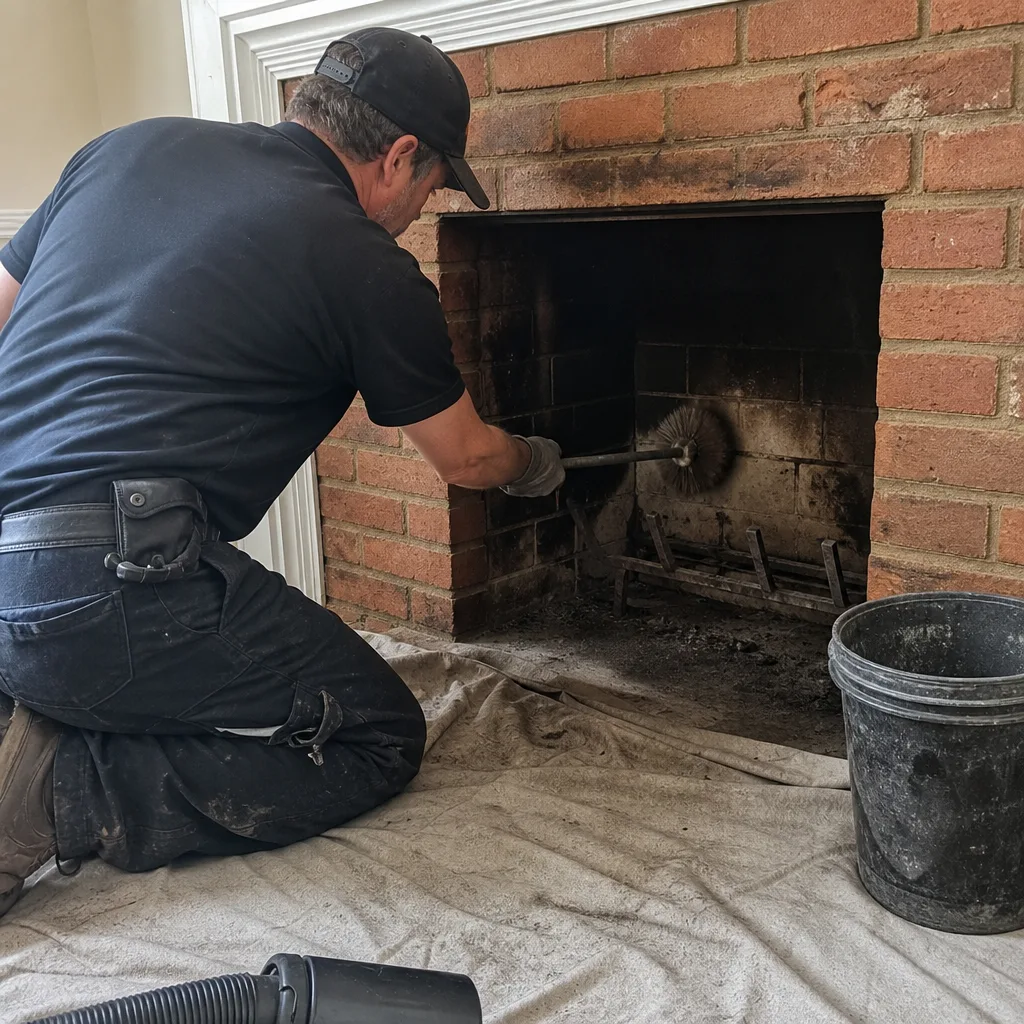
Four variables move the price more than anything else, and none of them have to do with what the company decides to charge that morning. Fairfax homes built between 1965 and 1990 make up a substantial share of the chimney servicing market, and their construction details affect pricing in predictable ways.
Flue height and accessibility. A single-story rancher in the City of Fairfax with a direct roof pitch and a 12-foot flue is a different job than a two-story colonial in Fairfax Station with a steep roof and a 24-foot flue. Taller flues require more rod sections, more labor, and more time on the roof. Steeper pitches slow the work and, on older homes, often reveal crown damage that flat residential roofs don’t get. You can’t change this variable. It’s baked into the house.
Appliance type. A wood-burning fireplace produces Stage 1 to Stage 2 creosote that brushes out reasonably well with standard tools. A wood stove used as primary heat through Fairfax winters, especially in the outlying areas toward Clifton where homes have more acreage, can produce Stage 3 creosote. Stage 3 is glaze. Brushes alone won’t remove it. It requires chemical treatment or rotary cleaning heads, and that’s a different price. Gas inserts are often the least expensive to service because they produce no creosote, but their flues still need camera checks for gaps and obstructions.
Last service date. A flue swept 18 months ago is a routine job. A flue last swept in 2018 accumulates a decade of deposits, and Fairfax’s humidity cycles do something specific here: the region’s wet winters and humid summers create creosote that alternates between dry and damp. Damp creosote bonds to flue walls. Dry creosote flakes. The bonded kind takes longer to remove, and longer equals more labor. The price difference between a 1-year and a 5-year service gap is often $80 to $150 on the sweep itself.
Creosote stage. Stage 1 is fluffy soot. Stage 2 is crunchy, dark flakes. Stage 3 is hardened glaze that looks like black glass. Most Fairfax chimneys we see fall into Stage 1 or early Stage 2 if they’re serviced annually. The ones that come in at Stage 3 are almost always from deferred maintenance, and Stage 3 removal can double the sweep price. That’s not a markup. That’s the cost of the chemical and rotary tooling.
- Flue height: taller flue, more rod sections, more time. 12-foot flue versus 24-foot flue is already a visible labor difference.
- Appliance type: wood stove with heavy use produces harder creosote than a gas insert.
- Time since last sweep: a 5-year gap means bonded creosote and longer brush time.
- Creosote stage: Stage 3 glaze removal uses chemical treatment and rotary heads, not just brushes.
One final Fairfax variable: access. Some older homes in the city have chimneys built tight against neighboring structures, or flue caps at pitch angles that require additional ladder stabilizers. It’s a small line item, but it’s a real one. Anyone who quotes before seeing the roof is quoting a range, and they should tell you that.
How to Read a Chimney Estimate: The Camera Scan Line Item
Most homeowners don’t know how to tell whether a camera inspection is included or getting sold back to them later. The answer is in the line-item language, and once you know what to look for, you’ll spot the difference in under a minute.
Phrases that indicate camera is NOT included:
- “Visual inspection” (without the word “Level 2”)
- “Inspection of accessible areas”
- “Flue check from roof level”
- “Interior examination where reachable”
- “Camera inspection available upon request”
- “Video scan add-on”
Phrases that indicate camera IS included:
- “Level 2 inspection per NFPA 211”
- “Full flue video scan”
- “Camera documentation of flue interior”
- “Interior flue inspection with recorded footage”
- “Photo record delivered with report”
The phrase “Level 1” matters. A Level 1 inspection under NFPA 211 is explicitly a visual check of “readily accessible” areas only. A Level 2 inspection includes camera scanning of the entire flue interior and is required by NFPA 211 when a property is sold, when the system is changed, or after a chimney fire. If the estimate says “Level 1,” the camera isn’t in the price. If it says “Level 2,” it is.
There’s a second line-item pattern worth watching: whether the written report is included or itemized separately. Some Fairfax companies quote $189 for the sweep, then add $75 for the “report” at the end. The report is the documentation of what they found. A sweep without a written record is just a brush. Clause 4 of the Haven Standard, which has governed our work since 2009, requires a documented photo record on every job, not as an add-on, but as part of the service itself. That practice predates the industry adoption of camera scans as a standard by years.
When you read an estimate, ask yourself: can I tell, from this piece of paper, exactly what gets inspected, what gets cleaned, and what I walk away with? If the answer is no, the estimate is doing a different job than you think it is.
The Real Cost of Deferring Cleaning by One Season
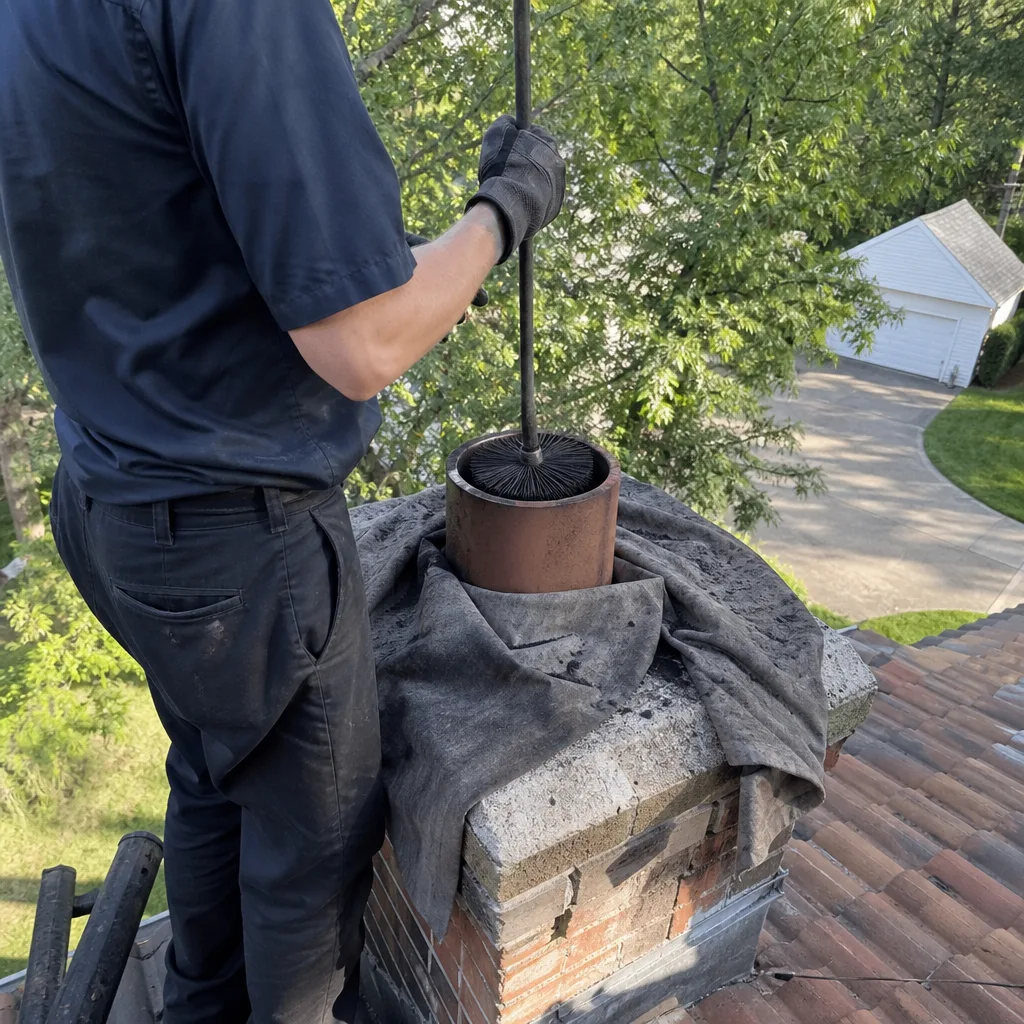
Homeowners in Fairfax defer chimney cleaning for the same reasons anywhere else: the fireplace wasn’t used much last winter, or the quote went to the bottom of the stack. Before you skip a season, check our Chimney Cleaning Warning Signs: A Fairfax Homeowner’s Reference Guide. Here’s the problem with that math. Creosote doesn’t reset when the fire goes out. It sits in the flue, and in Fairfax’s humid summer climate, it absorbs moisture. That moisture accelerates the chemical bonding between creosote and flue walls, which means next season’s Stage 1 becomes next season’s Stage 2 or Stage 3.
The price moves accordingly:
- Stage 1 removal (annual cleaning): standard sweep, $189 to $289. Two to three hours. Brushes deal with it. No liner risk.
- Stage 2 removal (deferred by 2 to 4 years): $250 to $450. Most of the extra cost is time. The creosote has hardened sufficiently that standard brush passes aren’t enough. Rotary cleaning heads are common at this stage.
- Stage 3 removal (deferred by 5+ years): $400 to $650 for cleaning alone, plus the very real possibility that the camera scan finds liner damage underneath. Glaze removal uses chemical treatments. It’s slow. And once the glaze is off, what’s left is a liner that’s been sitting under acidic residue for years. This is the moment where a $200 annual sweep turns into a discoverable liner issue.
There’s a specific threshold that Fairfax homeowners hit more often than they expect. When creosote glaze sits on a clay tile liner for a season or two beyond Stage 2, the acid in the creosote eats into the tile surface. Once the glaze is removed, the camera shows fine spalling, hairline cracking, or gaps between tiles. That’s the deferral crossing into Chimney Repair in Fairfax territory. A minor liner repair runs $300 to $800. A full reline runs into the thousands. The season you skipped didn’t cost you nothing. It cost you the difference between a sweep and a reline, and the math there is unforgiving.
The honest version of this: if your fireplace saw three or fewer fires last winter and the camera shows Stage 1, deferred cleaning by one season is a reasonable risk for some homeowners. The camera is the decision tool. Without it, deferral is a guess. With it, you know exactly where you are.
What a Written Price Guarantee Actually Covers
A written price is only as good as the scope attached to it. Verbal estimates have a nasty habit of changing the moment the technician finds something behind a damper or inside the flue. Written prices change too, but the good ones change under specific, stated conditions, and the homeowner sees the scope before the change is made. That’s Clause 1 of the Haven Standard: written price, written scope, written warranty, delivered before work starts.
Here’s what a meaningful written price in the Fairfax market covers, and what voids it:
What it covers:
- The specific scope of work described in the estimate. If it says sweep plus camera scan, that’s the job. No changes without a new written scope.
- The condition of equipment required for the stated work. If the flue is 20 feet and the estimate was written for a 20-foot flue, the price holds.
- Disposal of creosote, brush debris, and cleaned residue.
- The documented record of completion, including photos of the flue after cleaning.
What voids or modifies it:
- Dangerous conditions not visible at the point of estimate. If a flue is about to collapse and the estimate was written sight-unseen, the price moves.
- Structural changes discovered during the work. If the crown needs rebuild rather than recoat, that’s a different scope with different materials and labor.
- Access conditions that prevent safe completion of the stated scope at the stated price.
The distinction matters. A verbal estimate that doubles when the technician finds “unexpected” creosote is not the same thing as a written scope that gets amended in writing when structural conditions change. One is a sale tactic. The other is honesty about what was knowable before the work began.
This is also what “Free Second Opinion on Any Written Estimate” means in practice. Bring us a competitor’s written quote. We’ll tell you what’s in it, what’s missing from it, and whether the price is fair for the scope. We use materials from Gelco, Olympia Chimney, and Famco through our buying network specifically to keep material prices predictable on the customer’s side. Predictable materials plus written scope equals a price that doesn’t shift mid-job.
Fairfax-Specific Factors: Climate, Codes, and Construction
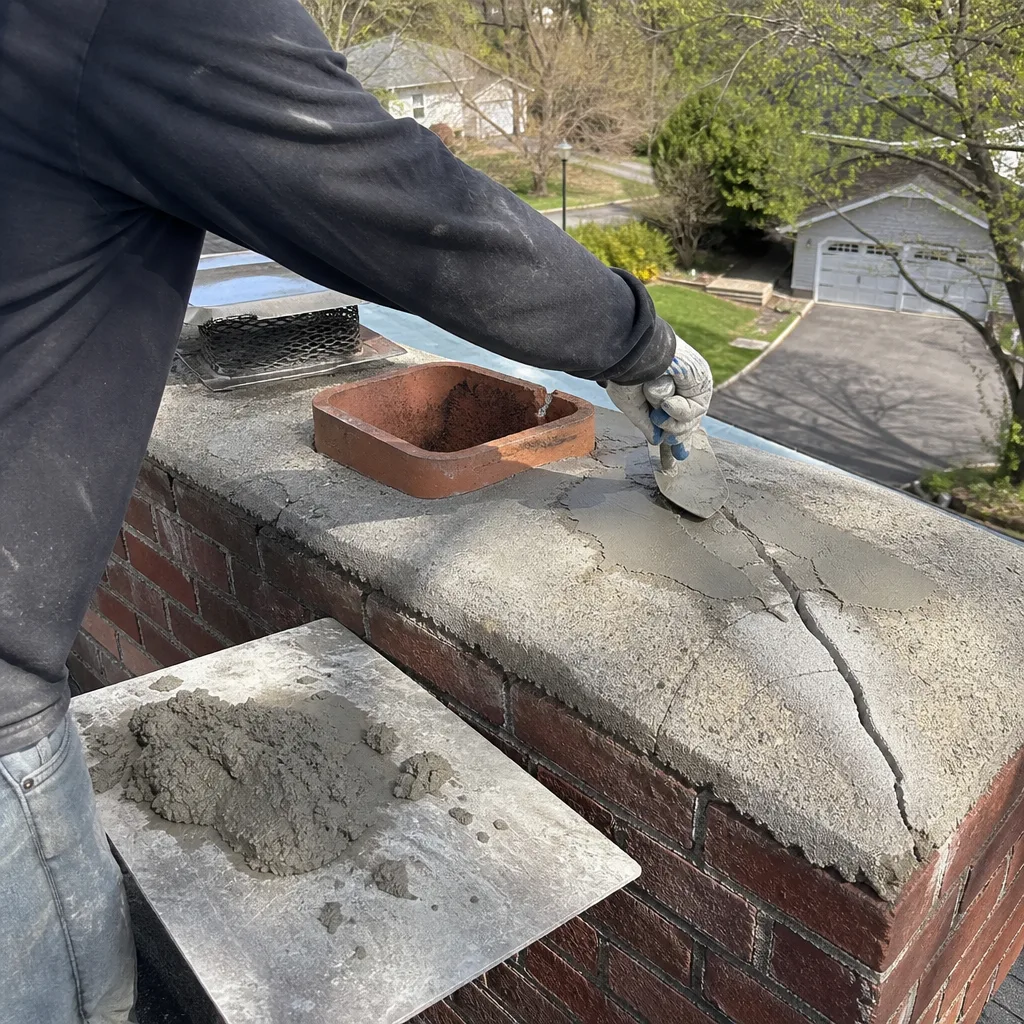
Fairfax occupies a specific spot in Virginia’s climate zone, and that spot writes itself into chimney condition in ways a national guide will never mention. Northern Virginia gets freeze-thaw cycles that most of the state doesn’t. The region sees enough winter nights below freezing and enough warm days above it that masonry chimneys absorb water, freeze, expand, and crack at the crown and cap in a pattern that’s distinctive to this climate band. Homeowners in Fairfax deal with spalling crown edges and cracked mortar at a higher rate than homeowners in Richmond or Virginia Beach, because those cities don’t get the same freeze-thaw frequency.
Code matters too. Fairfax County follows the Virginia Uniform Statewide Building Code, which adopts the International Residential Code with Virginia amendments. Any significant chimney repair or liner replacement in Fairfax County requires a permit. Chimney cleaning and standard inspection do not. Homeowners who get a liner replacement without seeing the permit process discussed should ask a direct question: is this being permitted? A legitimate company doing Fireplace Services in Fairfax will know the answer and will have pulled permits on similar jobs.
The housing stock also shapes the market. Fairfax’s inner suburbs are heavy with colonials, split-levels, and ranchers built in the 1960s through 1980s. That means clay tile liners. Those liners were excellent in their day and many remain perfectly serviceable, but they were not designed for the high-efficiency wood stoves some homeowners have installed since. A stove that burns hotter than the fireplace the flue was built for accelerates clay tile degradation. The camera scan shows it early, when a patch is still possible.
One more Fairfax-specific pattern: animal entry. The region’s raccoon population uses uncapped flues as den sites every spring. We’ve pulled raccoons out of flues more than once, and the resulting cleanup plus cap installation is far more expensive than a cap installed the year before. Copperfield caps, sourced through our network, are the most common new-cap spec we see on Fairfax homes, typically in stainless steel or copper.
Common Mistakes to Avoid
- Pricing the camera scan out of the job to save money. The camera is the difference between knowing your liner is sound and assuming it. Without it, the sweep is an expensive guess. In Fairfax’s freeze-thaw climate, liner cracks hide where flashlights don’t reach.
- Accepting a verbal estimate and then being surprised when the price changes. Written scope is the whole ballgame. If it’s not written, it didn’t happen, and if it’s not specific, you’re funding someone’s discovery process.
- Assuming the $89 special includes everything. It doesn’t. It includes a brush and a look. The $250 sweep includes the brush, the camera, and the report. You’re not paying for fluff; you’re paying for documentation.
- Waiting until the firebox shows visible problems before calling. By the time damage is visible from inside the house, the flue has usually been deteriorating for a season or two. The camera sees it earlier, and earlier is cheaper.
- Ignoring the cap because you don’t use the fireplace. The cap protects the flue from water and animals whether you burn wood or not. A missing cap is a deferred $1,000 repair, not a $150 convenience.
- Comparing chimney quotes on price alone without line items. Two quotes can both say “$300 sweep” and one includes the liner check while the other treats it as a $149 upsell. The number means nothing until you see the scope.
- Believing a masonry chimney is maintenance-free. It’s a structure. Freeze-thaw in Fairfax works on it every winter. Annual inspection is the cheapest thing you’ll ever do for a chimney.
When to Call a Professional
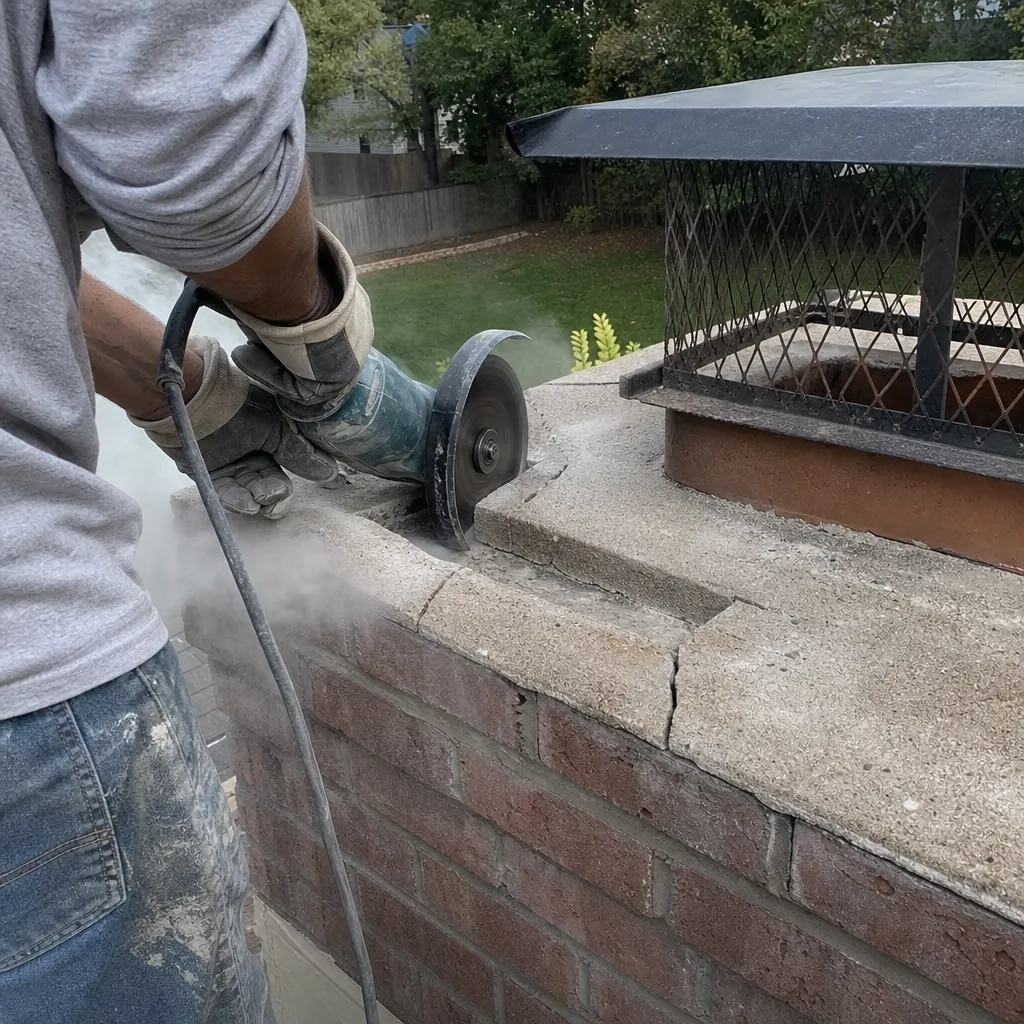
You should call a chimney professional in Fairfax if: you’ve lived in the home more than a year and never had the flue inspected with a camera; you see white staining on the exterior masonry (efflorescence, a sign of water infiltration); you smell smoke in the house after a fire has died down; your damper is rusted or doesn’t seal; you’ve had a chimney fire, however small; or you’re buying or selling a home in Fairfax County, where a Level 2 inspection is required by NFPA 211 for real estate transactions. None of these conditions should be watched and waited on. Level Two Chimney Fairfax offers free estimates in Fairfax, and you can call (571) 443-8256 to book one. The camera goes down the flue, and you see what we see.
Frequently Asked Questions
A chimney sweep in Fairfax, VA typically costs $189 to $425 in 2026, with most wood-burning fireplaces landing between $250 and $320. The $89 specials advertised in the area cover a visual check and brush sweep only, not the camera scan or written report. For an exact quote, call (571) 443-8256. Estimates are free, written, and specific.
Yes, because it’s the only way to see liner cracks, gaps, animal debris, and creosote buildup in the upper flue. A Level 1 visual inspection covers only areas you can see from the firebox or roof. In Fairfax’s freeze-thaw climate, clay liner damage hides in the middle flue where no flashlight reaches. The camera is the documentation that protects you from unneeded repairs and catches the needed ones early.
Not always. You need documentation that shows why. A camera scan will reveal gaps, spalling, or cracks in the liner, and you should see those photos yourself before agreeing to any reline. We don’t recommend liner work without camera evidence you can review. Sometimes a liner is serviceable with a repair patch or treatment. Other times the photos make the case immediately. The point is you should see them.
NFPA 211 says chimneys should be inspected annually and swept when creosote reaches 1/8 inch of buildup. For most Fairfax homeowners who burn a fire a week through winter, that means a sweep every year. If you burn two or fewer fires a season, an annual camera check may show you can safely defer cleaning, but the camera check is what tells you that.
Creosote builds, and in Fairfax’s humid climate it bonds harder with each season. Stage 1 becomes Stage 2, which becomes Stage 3 glaze, which requires chemical and rotary removal at two to three times the sweep price. And once the glaze is removed, if the liner underneath has been degraded by the acidic residue, you’re looking at $300 to $800 for repairs or potentially $3,500 to $8,500 for a full reline. The skipped year wasn’t free.
Yes, on every job, no exceptions. A written price, written scope, and written warranty are delivered before anyone starts work. That’s Clause 1 of the Haven Standard. You’ll also get a documented photo record when the work is done, under Clause 4. Call (571) 443-8256 for a free estimate and we’ll put it in writing.
The Bottom Line
Chimney cleaning in Fairfax costs $189 to $425 for a proper sweep with camera documentation, with the $89 specials covering a brush and a look. The difference isn’t markup; it’s the camera scan, the written report, and the liner check that tell you what’s actually happening inside the flue. Deferring a season in this climate compounds creosote and can turn a $250 sweep into a $5,000 reline. A written price protects you from discovery-based price changes. And the smartest question you can ask any Fairfax chimney company is the one you ask of the estimate itself: what exactly gets inspected, cleaned, and documented, and will I see the photos? For more guides & resources on protecting your chimney system, explore our blog. If the answer isn’t in writing, you’ve already learned what you need to know.
Written by Corrine Halstead, Owner at Level Two Chimney Fairfax, serving Fairfax since 2009.