
Last updated September 20, 2026
Level 1 sweep and inspection to the NFPA 211 annual standard - flue, crown, cap, and flashing checked and photographed
Chimney sweep logs do not sweep chimneys. They loosen some creosote - which then falls where a brush and vacuum still have to collect it.
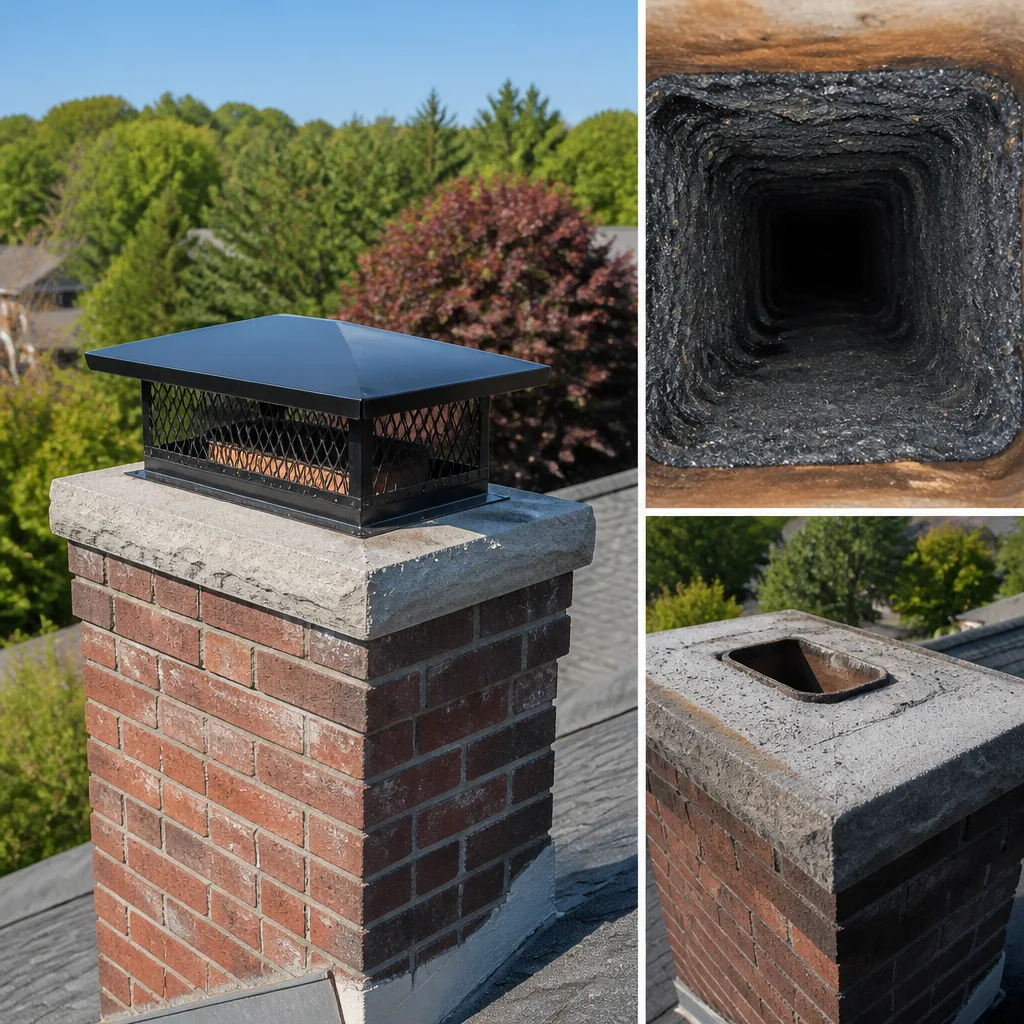
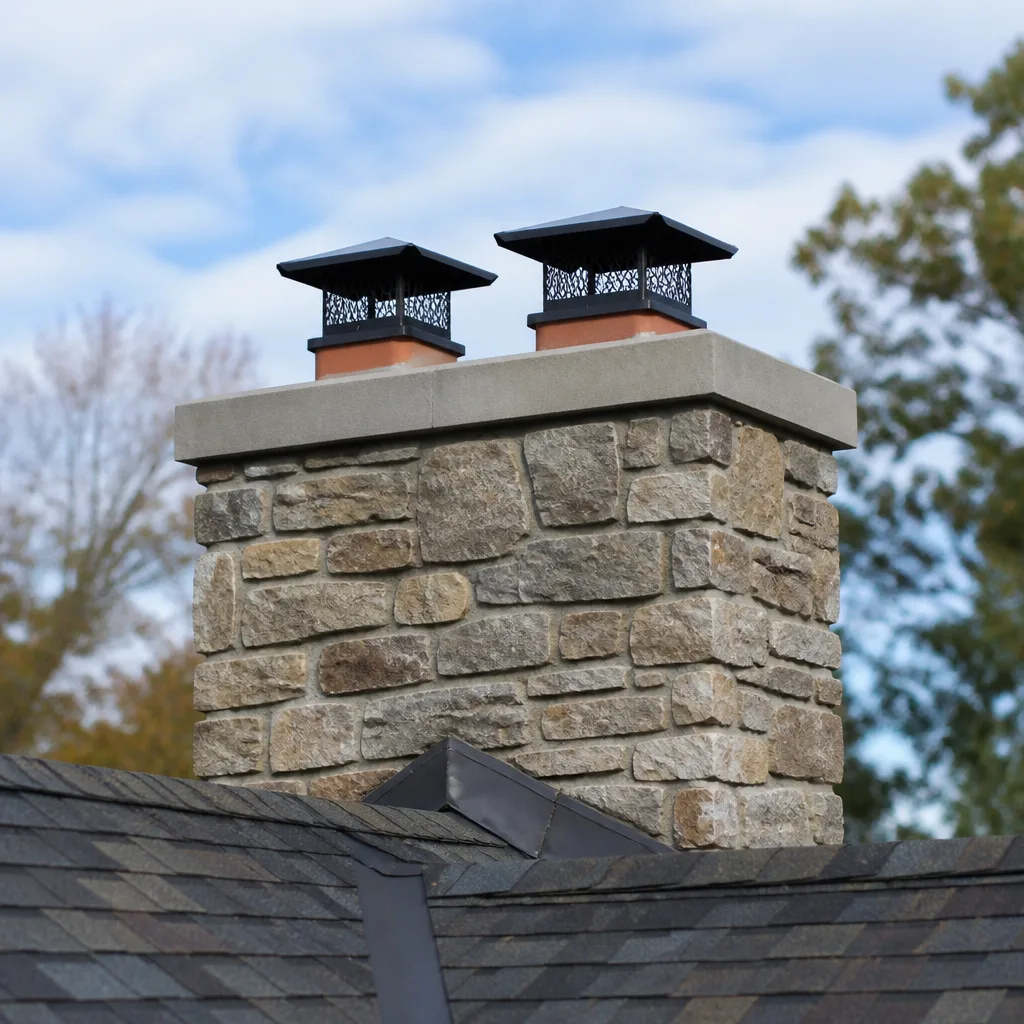
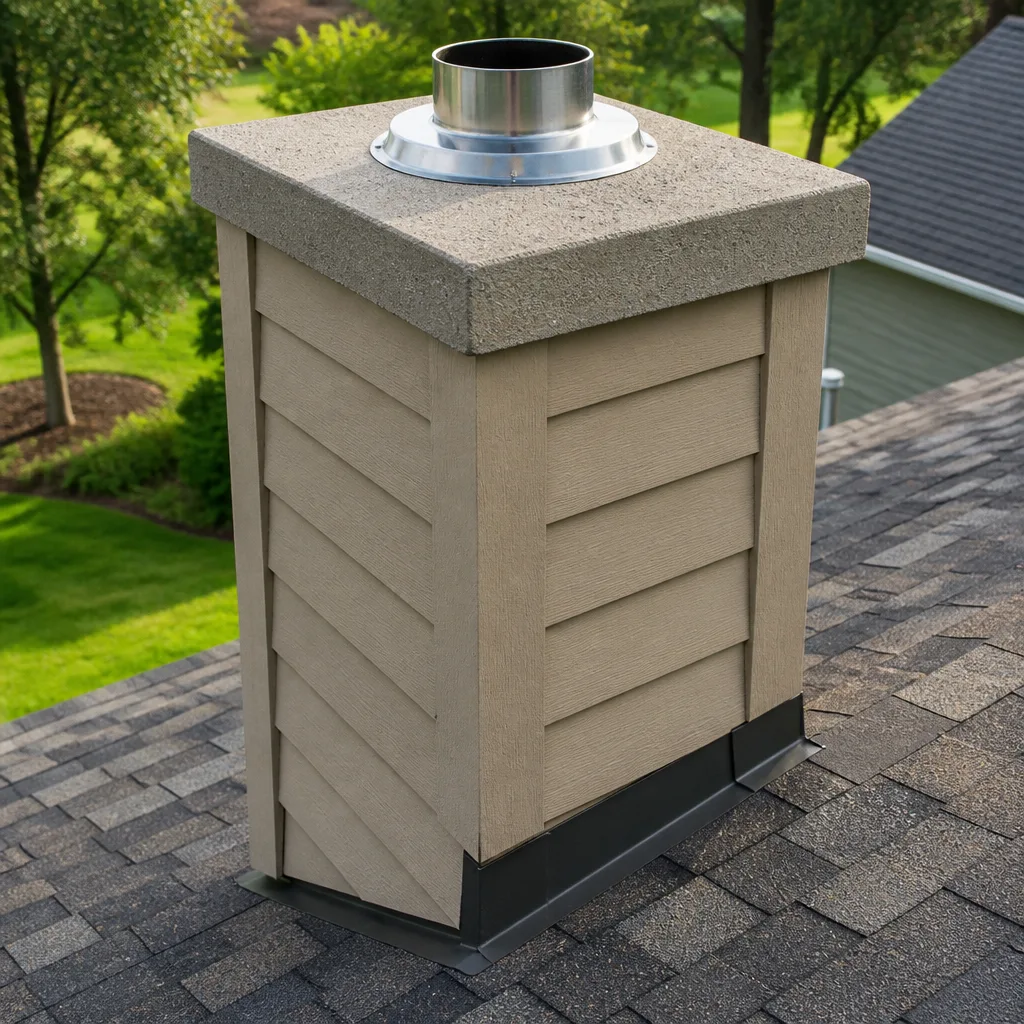
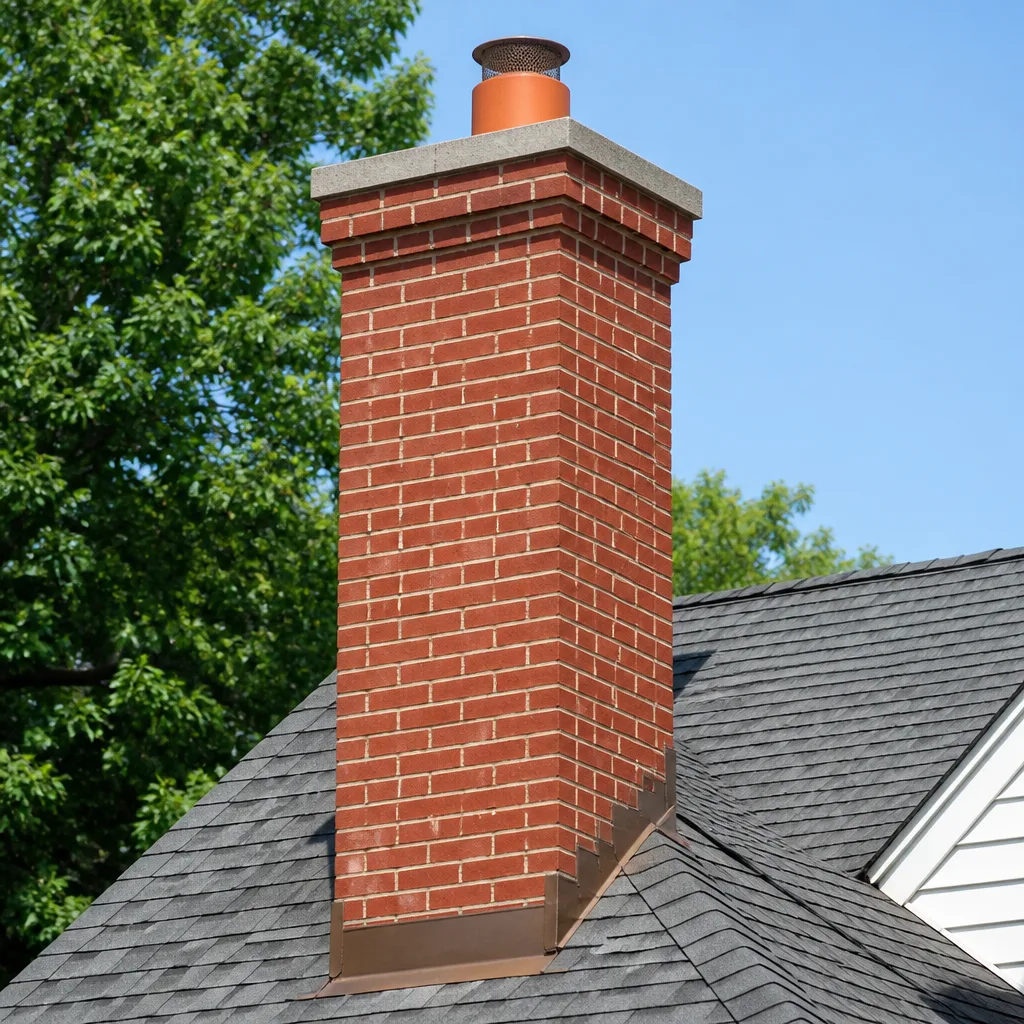
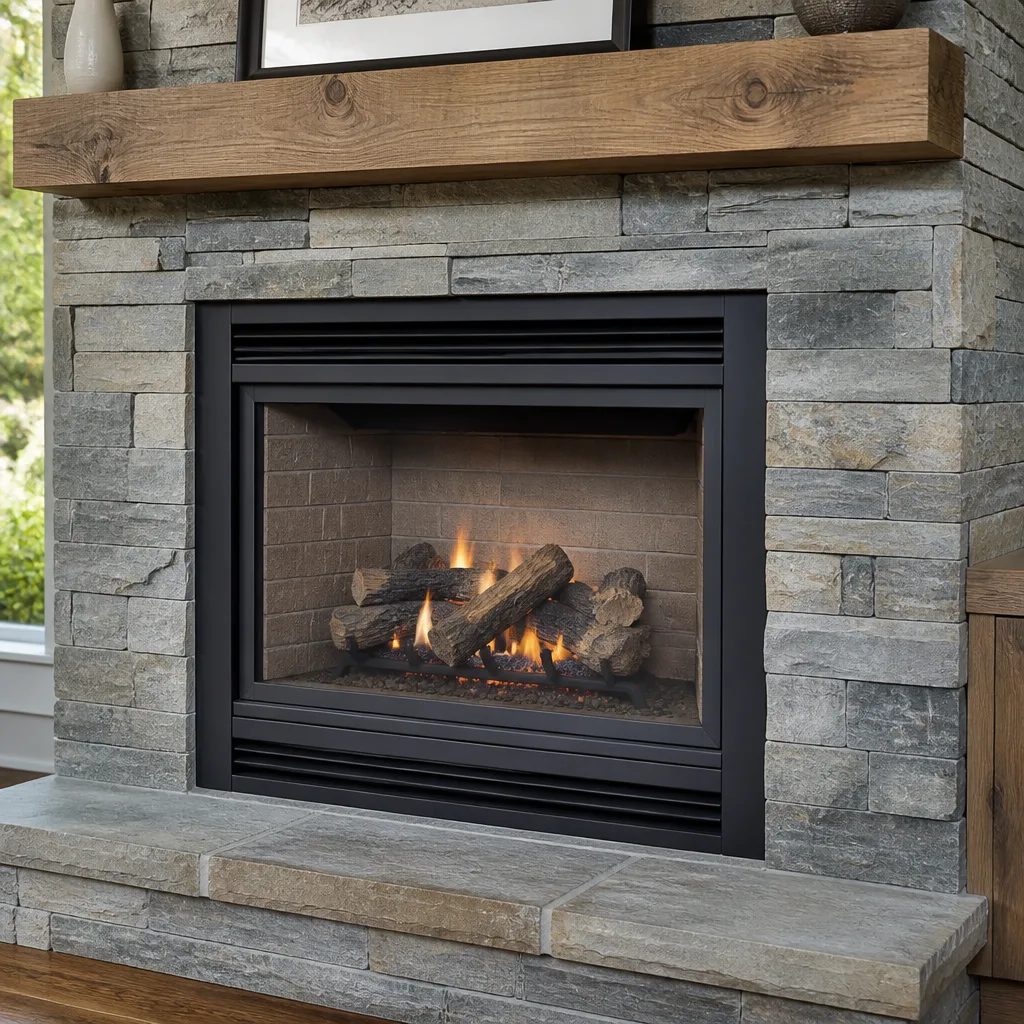
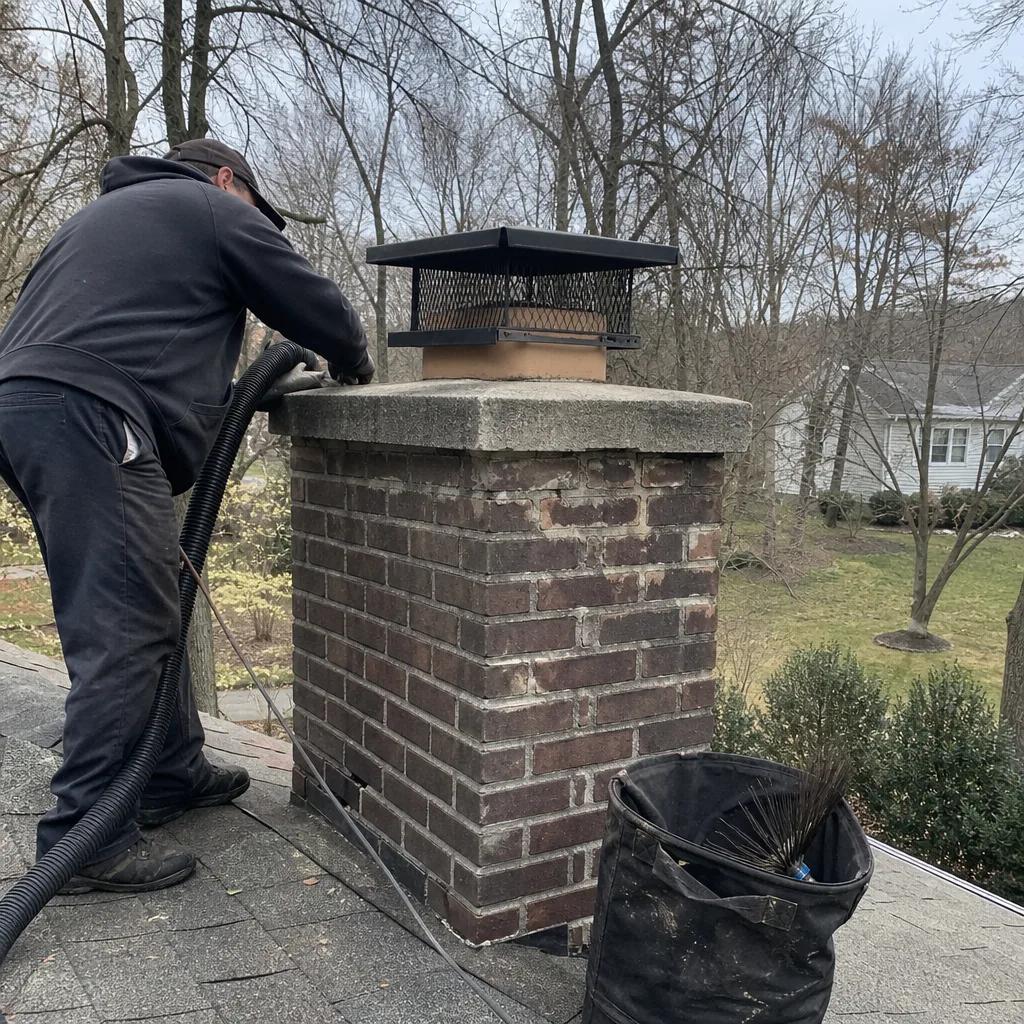 Before
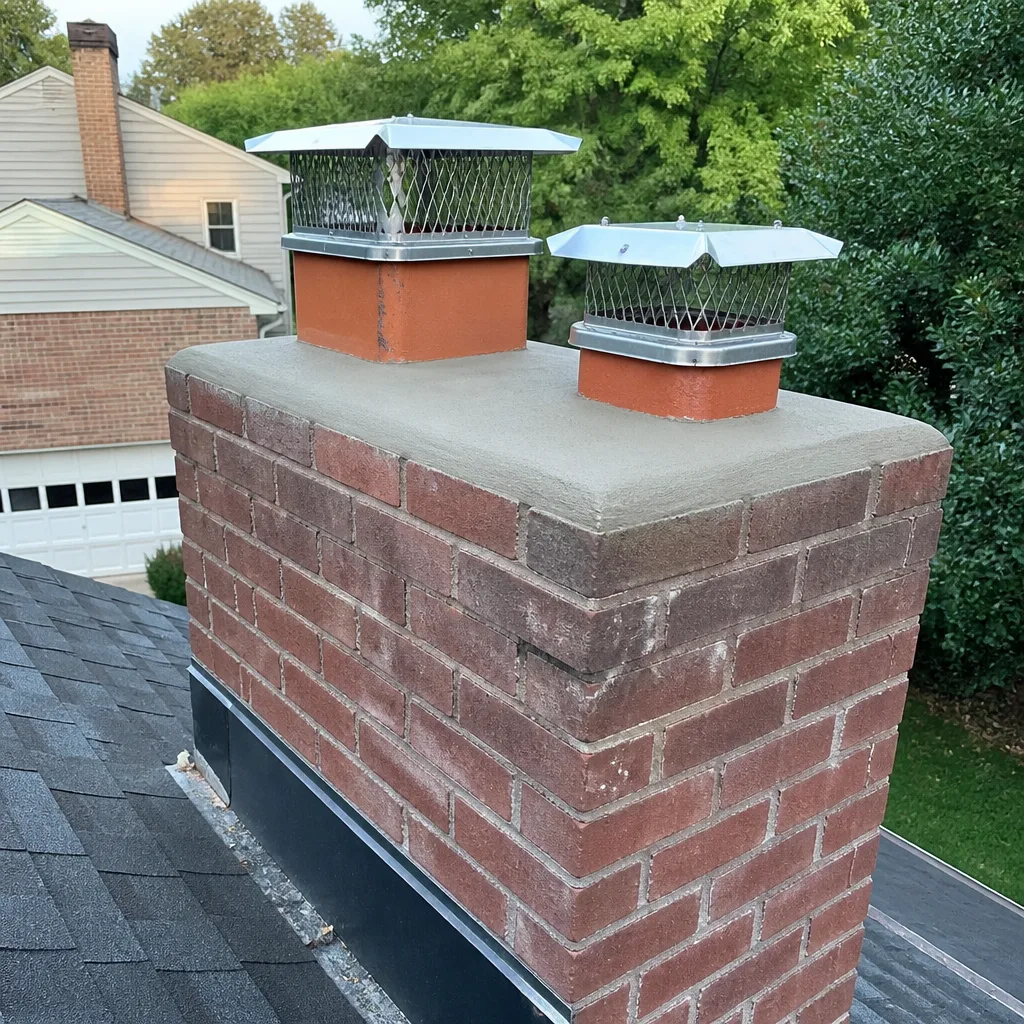 After
After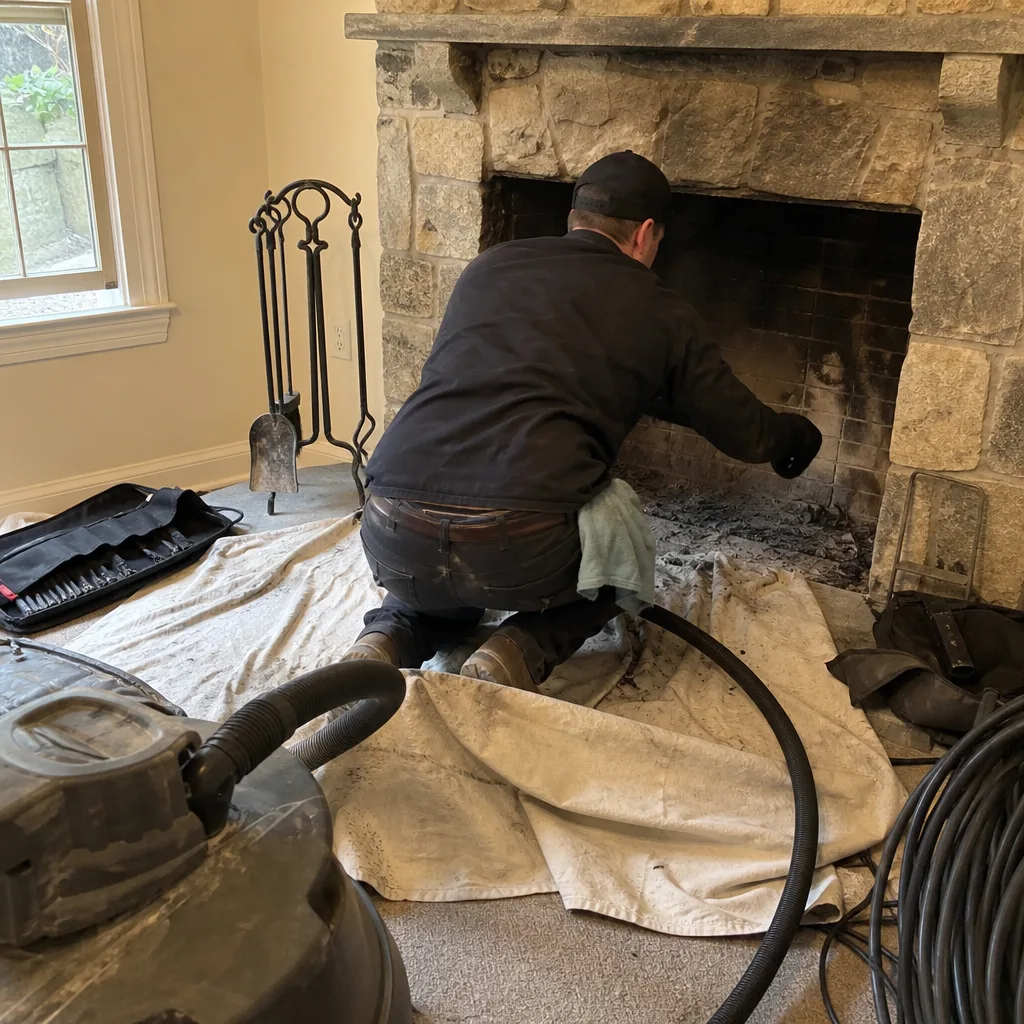 Before
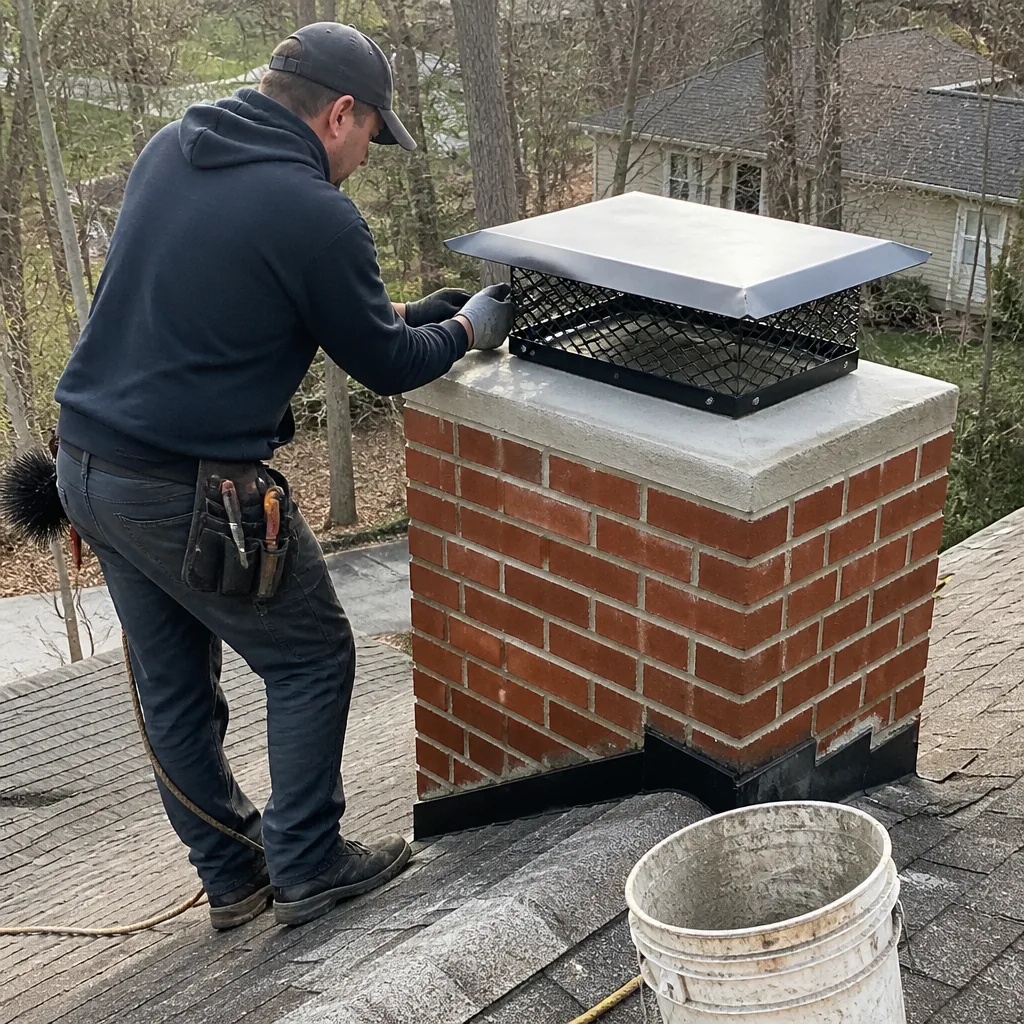 After
After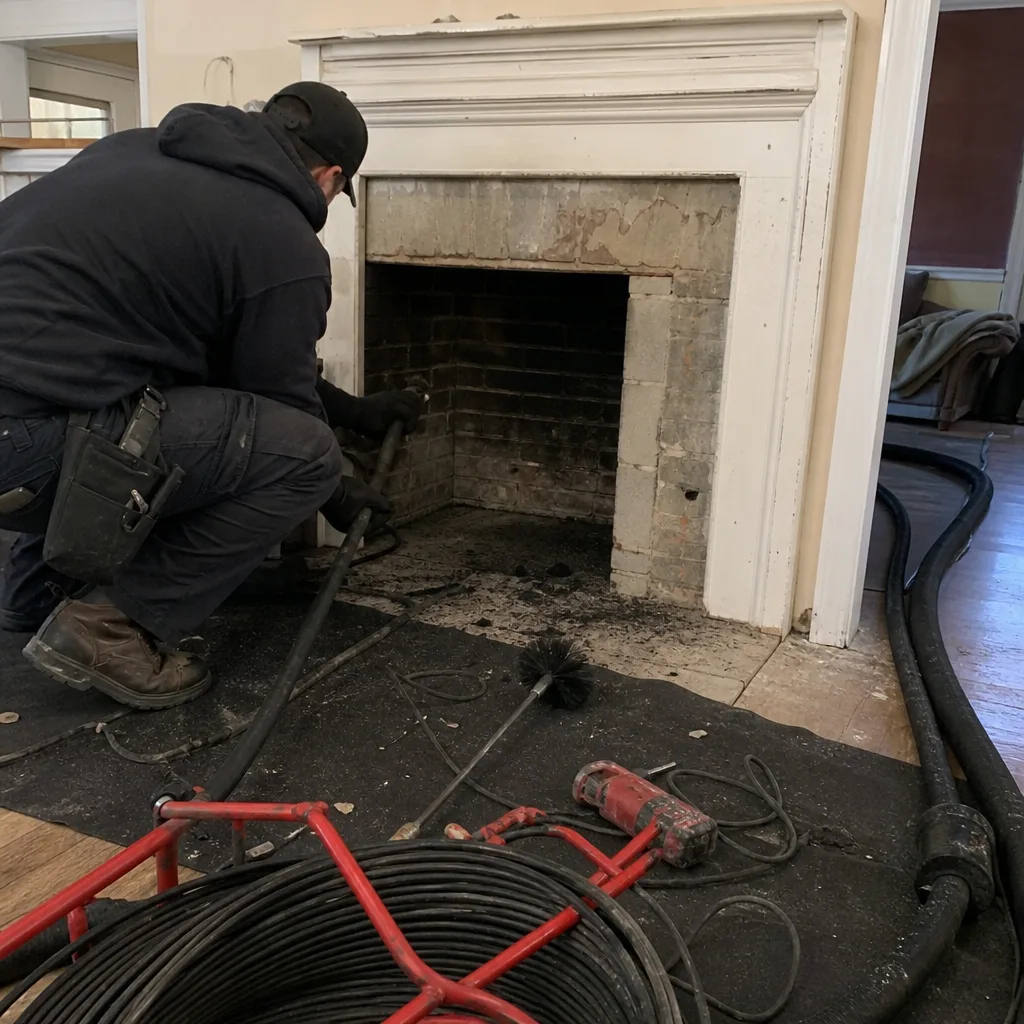 Before
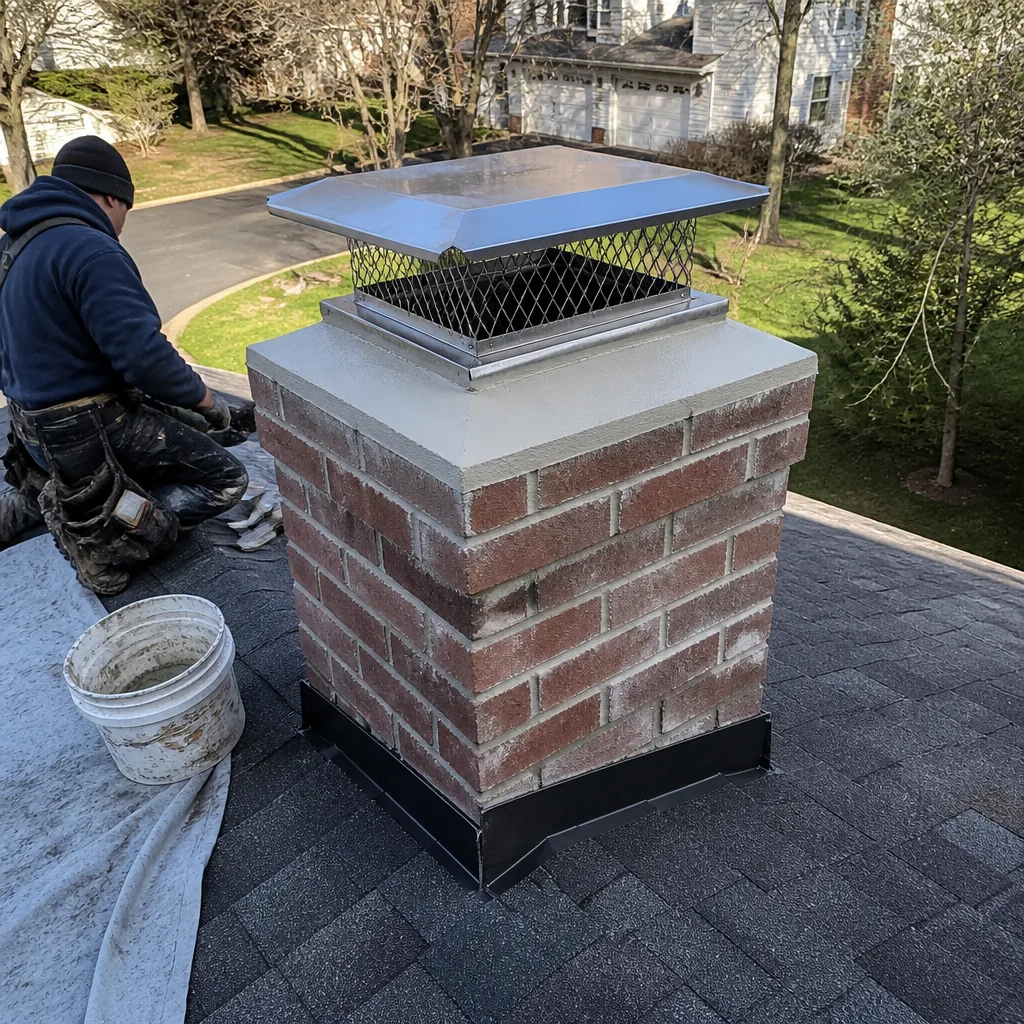 After
AfterThe Complete Guide to Chimney Cleaning in Fairfax
The National Fire Protection Association estimates that roughly one in four home heating fires involves a chimney that had been “recently serviced.” That number sounds alarming until you understand what it actually means: most homeowners in Fairfax never received proof the work was done. A brush went up, a check was cashed, and a receipt said “swept.” Nothing documented what was found, what was removed, or what the flue looked like afterward. This guide is about closing that gap. You’ll learn what a complete chimney cleaning in Fairfax actually produces, what it costs, what the written record must contain, and how to tell the difference between a quote and a cleaning. For related guidance, see our How to Hire a Chimney Cleaning Contractor in Fairfax: A Step-by-Step Guide. We’ve inspected and cleaned more than 38,000 chimneys since 2009, and the single most common surprise is a homeowner holding a receipt for a service that left no evidence.
Quick Answer
A proper chimney cleaning in Fairfax costs between $189 and $329 for a standard single-flue sweep, takes 45 to 90 minutes, and should end with a written service record, camera stills, and a dated photo log, not just a receipt. Cleaning removes creosote, soot, and debris from the flue liner, smoke chamber, damper, and firebox. Anything less than a documented record means you were quoted, not cleaned.
Table of Contents
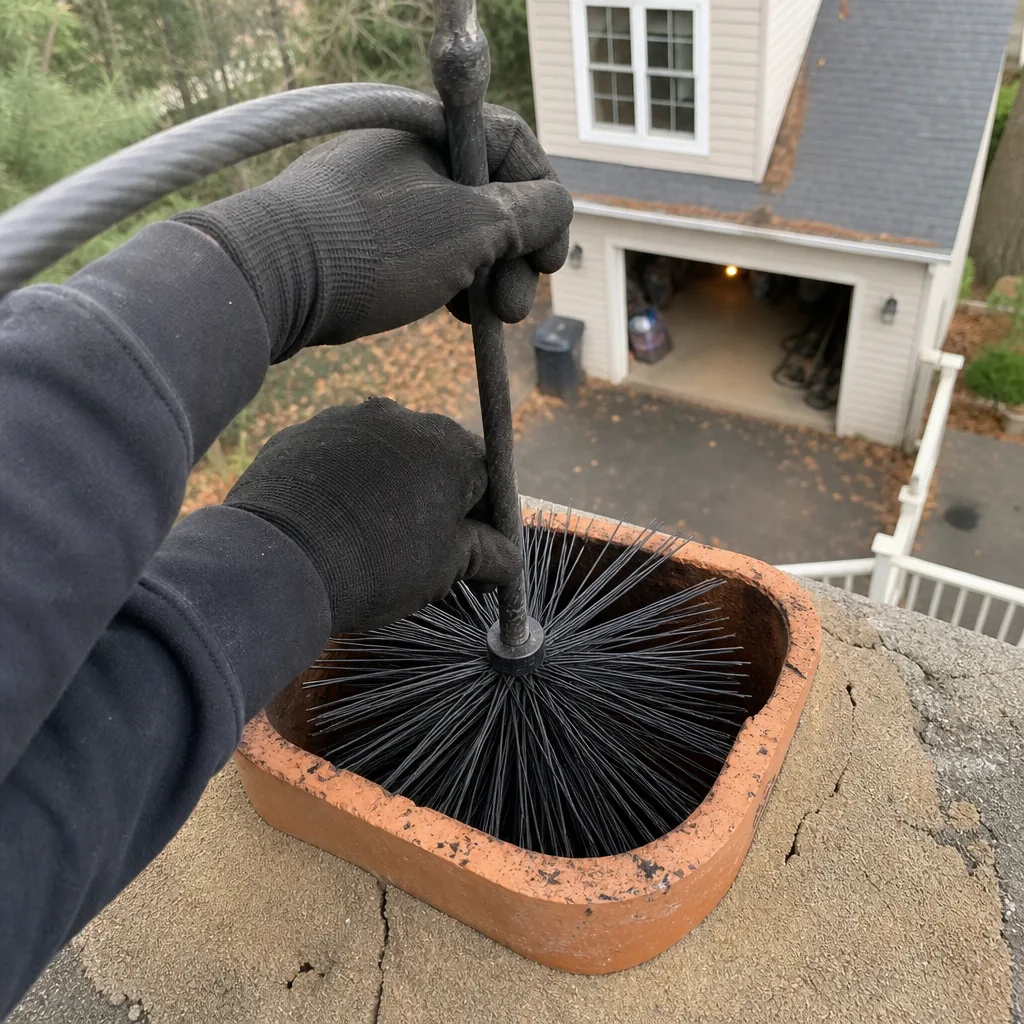
- What a Complete Chimney Cleaning Actually Is
- Why Fairfax Chimneys Need More Than a Flashlight
- How Much Does Chimney Cleaning Cost in Fairfax?
- The Exact Sequence of a Level 2 Cleaning Visit
- What Your Written Service Record Must Contain
- How Camera Footage Proves Deposit Removal
- Common Mistakes to Avoid
- When to Call a Professional
BeforeAfterWhat a Complete Chimney Cleaning Actually Is
A complete chimney cleaning in Fairfax is not a brush pushed up a flue. It is a documented inspection and cleaning process that follows NFPA 211 standards and produces physical evidence at three stages: before, during, and after. The standard that governs this work is NFPA 211, the National Fire Protection Association’s code for chimneys, fireplaces, and vents. A Level 2 inspection, which the NFPA specifies for any change in fuel type, property sale, or suspected damage, requires camera equipment to examine the interior flue surfaces, joints, and clearances.
Here’s the distinction that matters. A brush-and-go sweep removes loose creosote and soot from the flue walls. A documented Level 2 cleaning does that and also:
- Captures camera footage of the flue before any brush touches it
- Identifies creosote class (Class I, II, or III) and records it in writing
- Measures and notes any liner damage, offset, or gap
- Delivers a written price before work begins, based on what the camera found
- Runs the camera again after cleaning to confirm deposit removal
- Hands you a dated service record with photo stills and technician name
In Fairfax, the older housing stock makes this evidence more than a nicety. Colonial-era flues with unlined brick, mid-century terra cotta liners with cracked joints, and modern stainless steel inserts all behave differently under heat and creosote loading. A flashlight can’t see past the first bend. A camera can. When we talk about a Chimney Cleaning & Sweep in Fairfax, we mean the camera went down first, the price was put in writing, and the brush went up only after you approved it.
What the customer walks away with: camera footage burned to a file or uploaded to a report, still images of any defect, a written scope of work, a written warranty, and a dated record showing the creosote class before and after. That record is what turns a service into evidence.
Why Fairfax Chimneys Need More Than a Flashlight
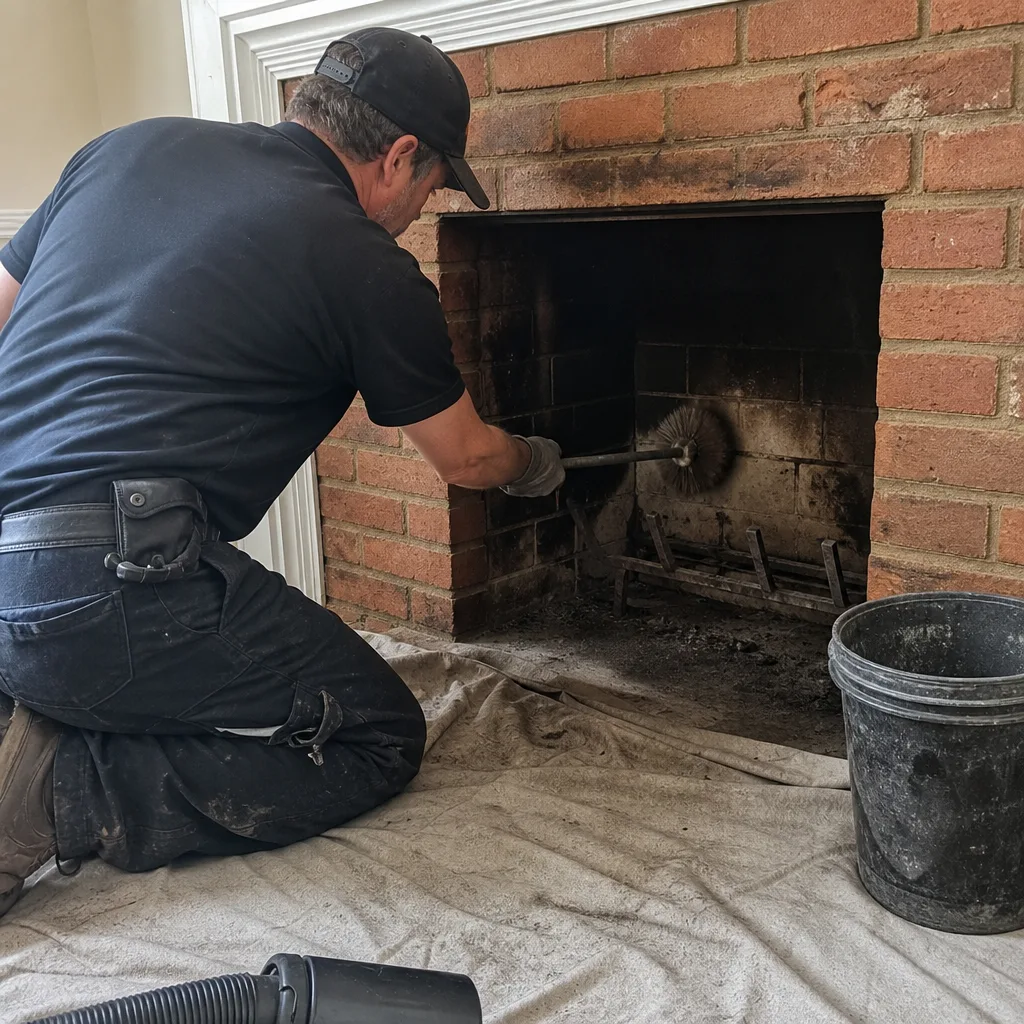
Fairfax is not one housing market. It is a patchwork of 1960s split-levels in Mantua, 1970s colonials in Kings Park West, newer construction in Fairfax Corner, and a scattering of genuinely old homes in Fairfax City proper. Each era of construction carries its own flue geometry and its own creosote staging risk. A technician with a flashlight standing in your firebox sees the first two feet of flue. The next twenty feet are a guess.
Creosote staging matters because it determines both fire risk and cleaning method. Class I creosote is a light, dusty soot that brushes off easily. Class II is a flaky, tar-like deposit that requires more aggressive mechanical cleaning. Class III is a hardened, glazed tar that often requires chemical treatment or rotary cleaning with chains. What you cannot know without camera inspection is whether your flue has sections of Class II or Class III built up behind a bend or at a liner joint, which is exactly where it accumulates. In our experience with Fairfax chimneys, the transition point where a fireplace flue meets a smoke chamber or where a liner steps down in diameter is the most common staging area for heavy creosote. A flashlight will not show you that.
Fairfax’s climate adds another layer. Humid summers and freeze-thaw winters attack exterior masonry, while wood-burning season runs from October through March. Homes that burn unseasoned wood from local suppliers often see faster creosote accumulation simply because the wood carries more moisture. A chimney that was clean in March can carry a dangerous load by December. The only way to know is to look with a camera and document what you see. For timing and maintenance tips, read our Seasonal Chimney Cleaning Care for Fairfax: Year-Round Homeowner’s Guide.
The other Fairfax-specific factor is inserts. Older homes with original fireplaces often get gas or wood inserts installed. That changes the flue dynamics. The original terra cotta liner may be oversized for the new appliance, which slows draft and increases creosote condensation. Or the new stainless liner may not run the full height of the chimney. A Level 2 camera inspection is the only way to confirm what is actually inside the flue from top to bottom. If you own a home in Fairfax and you do not know whether your insert liner runs the full height, the documentation gap is a future insurance claim. For broader context on what a sweep covers, see our Level Two Chimney Fairfax home page.
How Much Does Chimney Cleaning Cost in Fairfax?
Chimney cleaning in Fairfax typically costs $189 to $329 for a standard single-flue fireplace sweep. That range reflects what local companies actually charge in this market, not a national average. Add-ons like a second flue, a wood stove insert, heavy Class III creosote removal, or a chimney cap replacement push the total higher. Here is a line-item breakdown based on the Fairfax market:
| Service | Typical Fairfax Price Range |
|---|---|
| Standard single-flue sweep (Level 1, no camera) | $129 – $189 |
| Documented sweep with camera inspection (Level 2) | $229 – $329 |
| Second flue on same chimney | $75 – $120 |
| Wood stove insert cleaning | $189 – $249 |
| Class III creosote removal (chemical or rotary) | Adds $100 – $250 |
| Chimney cap replacement (materials and labor) | $150 – $350 |
| Smoke chamber parging | $600 – $1,400 |
| Stainless steel liner installation (full reline) | $3,500 – $7,000 |
These are honest Fairfax market ranges, not a teaser to get us in the door. The single biggest variable is what the camera finds. A flue that has not been cleaned in ten years may carry enough Class III creosote to require rotary cleaning, which changes the labor and the price. A flue with cracked terra cotta tiles may need liner work, which is a different scope entirely. That is why the camera goes down before any price is put in writing. If someone quotes you a flat $99 over the phone without looking at your flue, what you are buying is a visit, not a cleaning. See our Chimney Repair in Fairfax page for what liner and masonry work actually costs here.
The Exact Sequence of a Level 2 Cleaning Visit
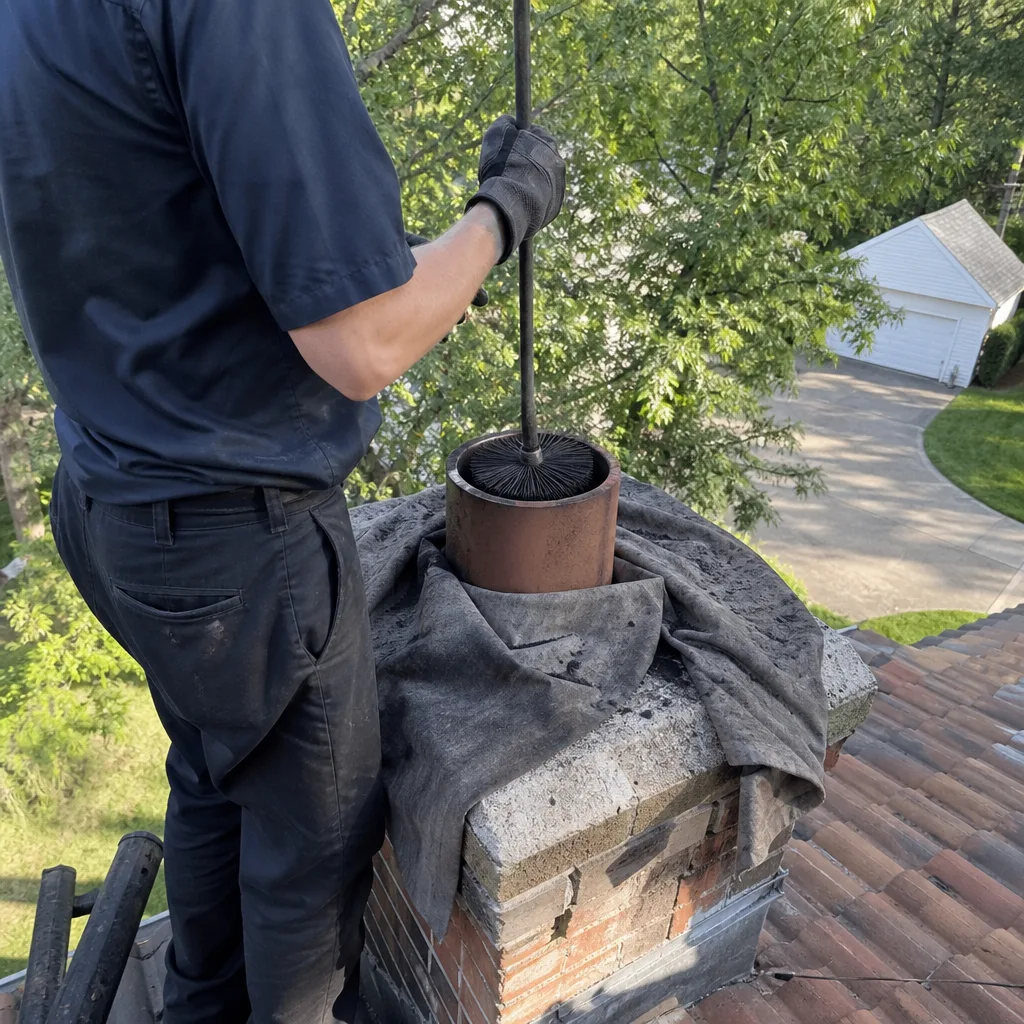
Here is the sequence a documented Level 2 chimney cleaning in Fairfax should follow, step by step. This is the order we work in, and it mirrors what the NFPA standard demands: look first, price second, clean third, prove fourth.
- Arrival and exterior check. The technician walks the roofline from ground level, looking at the crown, cap, flashing, and masonry. Any visible spalling, cracked crown, or missing cap gets photographed and noted.
- Interior setup and floor protection. Drop cloths are laid from the entry door to the fireplace. The firebox gets a cover or vacuum guard. This is standard hygiene, not an upsell.
- Camera down the flue. A high-resolution camera is run from the top of the chimney down through the flue to the firebox. This records the creosote class, liner condition, joints, offsets, and any blockages. The footage is saved.
- Written price based on findings. You receive a written scope of work and a written price before any brush touches the flue. If the camera finds Class III creosote, a cracked liner, or a failed cap, the written quote reflects the actual work required. Nothing is added after the fact.
- Cleaning. The technician sweeps the flue using brushes sized to the liner, cleans the smoke chamber, removes debris from the damper, and vacuums the firebox. The work is done by a background-checked, uniformed technician whose name and license number are on the service ticket.
- Camera down again. After cleaning, the camera is run a second time. This footage is compared against the before footage. You see the flue walls, liner joints, and smoke chamber after deposit removal.
- Documented record. You receive a dated service record with camera stills, the creosote class recorded before and after, the technician’s name, and the written warranty. Every visit under the Haven Standard includes this photo record, a practice that has been standard for us since 2009 under Clause 4 and that continues without exception.
That sequence is the difference between hiring a chimney cleaner and hiring a documented inspection company. It is also the exact process that insurers, home inspectors, and real estate disclosures respond to when a claim or a sale hinges on chimney condition.
What Your Written Service Record Must Contain
If you ever file a homeowner’s insurance claim involving your chimney, or if you sell your Fairfax home and the buyer’s inspector flags the fireplace, the first question is not “was it cleaned?” It is “show me the report.” A receipt that says “chimney swept, $149” does not answer that question. A written service record does. Here is what that record must contain to satisfy a claim or a disclosure:
- Company name, address, license number, and technician name. Not a generic invoice. The person who did the work is identified, and the company’s state license is on the page.
- Date of service and scope of work performed. Specifically what was cleaned and what was inspected. “Swept flue, cleaned smoke chamber, removed debris from damper, inspected with camera.” Not “service call.”
- Creosote class before and after cleaning. Class I, II, or III, recorded both before the brush and after. This proves deposit removal instead of assuming it.
- Camera stills or footage attached or archived. Photo evidence of flue condition before and after. Under Haven Standard Clause 4, a documented photo record has been included on every single visit since 2009, not added as a premium option.
- Findings and recommendations in writing. If the liner is cracked, the crown is spalling, or the cap is missing, that goes in the record in plain English. You get a written scope and a written price for any recommended work, not a verbal warning.
- Written warranty. The warranty on the work performed, in writing. Not a handshake.
A Fairfax homeowner who sold their home in 2024 with a fireplace disclosure question told us the buyer’s agent specifically asked whether a Level 2 camera inspection had been done. The seller had our dated photo record. The sale closed without the chimney becoming a negotiation point. That is what documentation does. It removes the ambiguity that turns a $200 cleaning into a $2,000 closing credit.
How Camera Footage Proves Deposit Removal
Here is the core problem with chimney cleaning as an industry: the customer cannot see inside the flue, so the service is invisible. You pay a technician to go up on your roof, do something with a brush, and come back down. You have no way to verify the flue is actually clean. Camera footage solves that problem because it makes the invisible visible. Before the brush touches the flue, the camera records the deposits: creosote streaks on the liner walls, tar accumulation at the liner joints, soot built up in the smoke chamber. After cleaning, the camera runs the same path. The two recordings sit side by side.
What you are looking for in the after footage:
- Liner walls visible. You can see the terra cotta or stainless surface itself, not a black coating on top of it.
- No standing deposits at joints. The places where liner sections meet, the most common creosote staging areas, should show clean seams.
- Smoke chamber surfaces exposed. The angled walls above the damper should show brick or parging, not a thick soot layer.
- Damper and firebox clear. No loose debris sitting in the firebox beyond what the vacuum missed, and the damper opens and closes freely.
The reason this matters is not aesthetic. It is combustion safety. Creosote is unburned wood tar. It ignites at around 451 degrees Fahrenheit, and a chimney fire can reach 2,000 degrees quickly. The difference between a flue with a thin Class I dusting and one with a Class III glaze is the difference between a normal burn and a structure fire. Camera footage does not just tell you the flue was cleaned. It tells you the cleaning was complete and the surface that remains is stable.
We made camera-scan documentation the default on every chimney in 2009. Not because regulators asked for it. Because it was the only way to prove what we claimed. The practice is now Clause 4 of the Haven Standard and remains the reason a homeowner can hold up a photo and say, “this is what my flue looked like before, and this is what it looks like now.”
Common Mistakes to Avoid
- Hiring on price alone. A $99 Fairfax-area sweep that does not include camera inspection or a written record leaves you with a receipt and no proof. You may have paid $99 for the visit and still need a real cleaning.
- Accepting a verbal finding without photos. If a technician tells you the liner is cracked but cannot show you the camera still, get a second look. A written quote from any company should be based on what the camera documented, not what the tech remembers seeing. We offer a Free Second Opinion on any written estimate any competitor provides.
- Cleaning too infrequently. The NFPA recommends an annual inspection and cleaning as needed. In Fairfax, where burning season runs five to six months, an annual inspection is the minimum. Two years of skipped inspections can allow Class II creosote to become Class III.
- Burning unseasoned wood. Freshly cut wood carries 30 to 50 percent moisture. That moisture cools the flue and condenses as creosote. Burn wood that has been split and stacked for at least six to twelve months, and you will have less Class II and Class III buildup.
- Trusting a receipt as a service record. A receipt proves payment. It does not prove the flue was inspected, the creosote was removed, or the liner is sound. For a real estate disclosure or an insurance claim, you need the full written record.
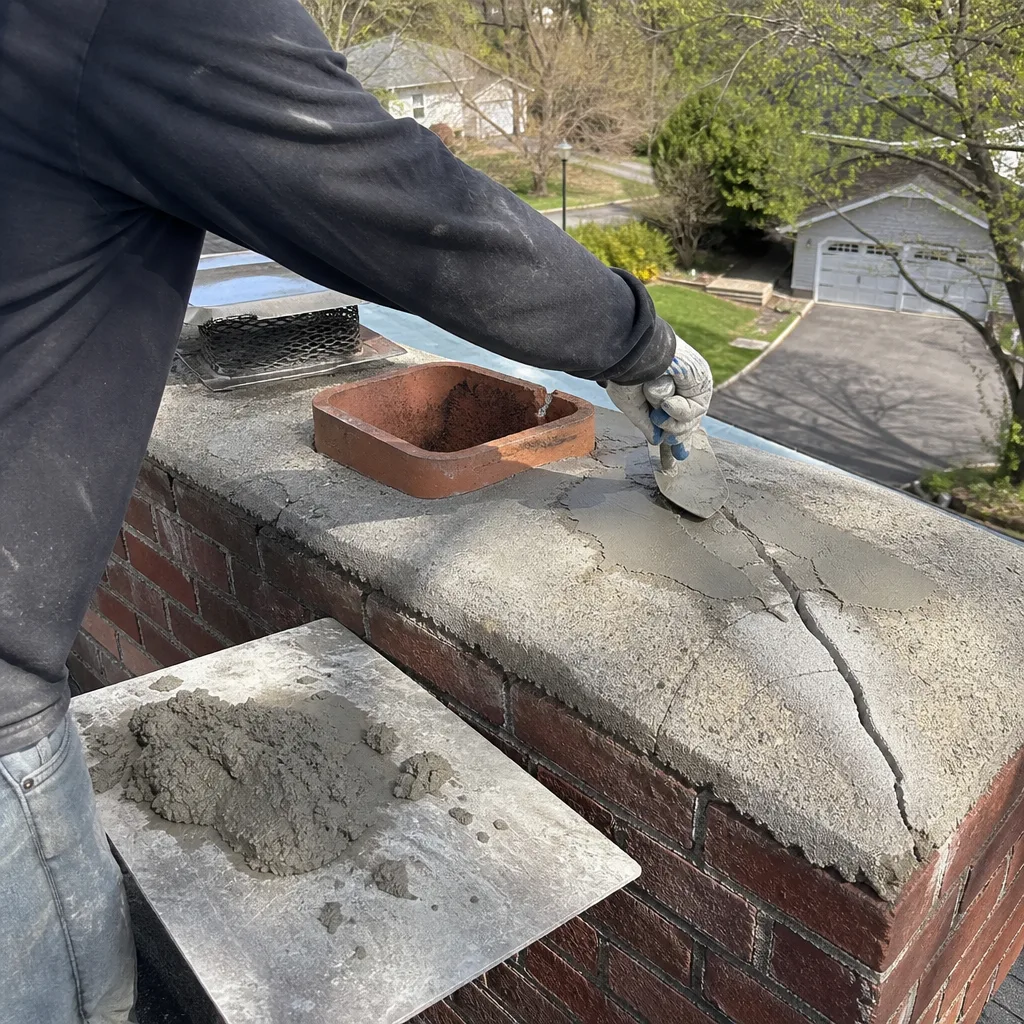
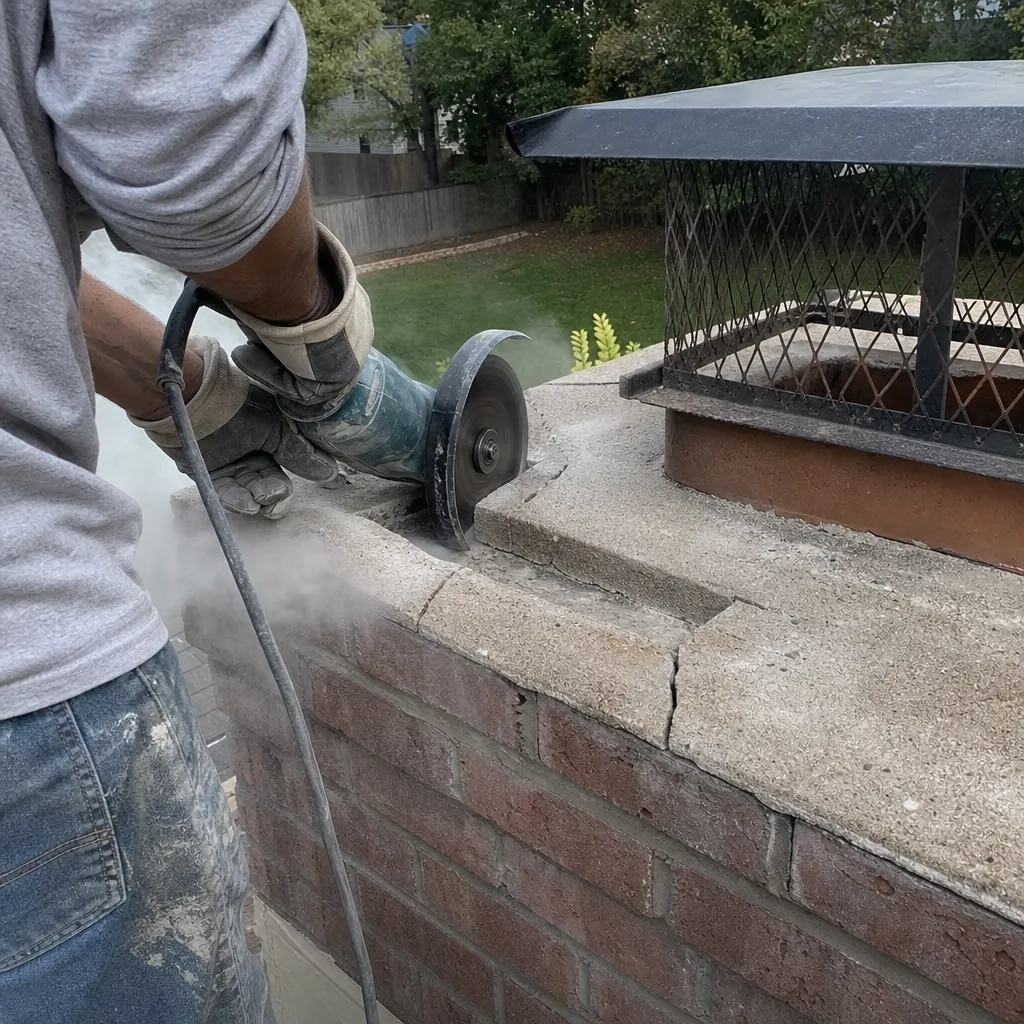
- Ignoring the exterior. Fairfax winters are hard on crowns and caps. A cracked crown lets water into the masonry. Freeze-thaw cycling spalls the brick. The interior flue can be clean while the exterior fails. A Level 2 inspection checks both.
- Assuming a gas fireplace needs no service. Gas fireplaces produce less creosote, but their vents still clog with dust, debris, and in some cases animal nests. A blocked vent is a carbon monoxide risk. Annual inspection applies to gas flues too.
When to Call a Professional
Call a professional if you have never had a camera inspection of your chimney, if you moved into your Fairfax home and do not have the previous owner’s sweep record, if you smell smoke in the house after a fire dies down, if you see black tar-like deposits on the damper or firebox walls, if you hear animals in the flue, or if you are preparing to sell and know the chimney will come up in the buyer’s inspection. These are the specific scenarios where guessing costs more than looking. Level Two Chimney Fairfax offers free estimates in Fairfax. Call (571) 443-8256 and we’ll put a camera down the flue before any brush goes up, with a written price in your hand before work begins.
Frequently Asked Questions
A standard chimney sweep in Fairfax runs $189 to $329 for a single-flue fireplace, with the higher end including camera inspection and a documented service record. The actual price depends on what the camera finds: heavy Class III creosote removal, a second flue, or liner work changes the scope. Call (571) 443-8256 for a written quote based on your actual chimney, not a phone estimate.
Only if the camera shows you a cracked, spalled, or failed liner and the written record documents it. Cracked terra cotta tiles, gaps at the joints, or a liner that has separated from the flue wall are legitimate replacement triggers. If a company recommends a new liner without camera evidence, get a second opinion. We’ll provide a written second opinion on any competitor’s estimate in Fairfax.
The NFPA recommends an annual inspection, with cleaning performed as needed based on what the inspection finds. In Fairfax, where wood-burning season runs from October through March, most homeowners need a cleaning every one to two years. If you burn frequently or burn unseasoned wood, annual cleaning is the safer schedule.
Creosote accumulates in stages. A thin Class I dusting is not a fire risk. Class II flakes can ignite under the right conditions. Class III glaze is essentially fuel coating the inside of your flue. If it ignites, a chimney fire can crack the liner, spread to the framing, and go unnoticed until it breaches the roof or wall. The other risk is carbon monoxide from a partially blocked flue. Neither is worth the $200 you saved. For a full picture of what a documented cleaning protects against, call (571) 443-8256 to schedule an inspection.
A Level 1 inspection verifies the chimney is clear and functioning, using a flashlight and basic tools. A Level 2 inspection adds camera equipment and is required by the NFPA when the property is sold, the fuel type changes, or an event like a chimney fire or lightning strike occurs. A documented cleaning under the Haven Standard includes the Level 2 camera scan on every visit, not just when an inspector asks for it.
In most cases, yes. Fairfax-area scheduling typically runs three to seven days out depending on the season. October and November fill faster than the rest of the year. If you need a cleaning before burning season starts, schedule early. Call (571) 443-8256 and our live phone line, answered 24 hours a day by a person not a voicemail, will get you on the schedule.
The Bottom Line
A complete chimney cleaning in Fairfax is not a receipt. It is a dated, written record with camera stills that show what the flue looked like before and after the brush. The price should be in writing before work starts, based on what the camera found, not what a phone call assumed. That standard, the one we’ve applied to more than 38,000 chimneys since 2009, is what protects your home, your insurance standing, and the resale value of the fireplace when you sell. Anything less is a guess. If you want to see your actual flue on camera with a written price in hand, call (571) 443-8256 and schedule a Level 2 cleaning in Fairfax.
Written by Corrine Halstead, Owner at Level Two Chimney Fairfax, serving Fairfax since 2009. Explore more guides & resources on chimney care and safety.