
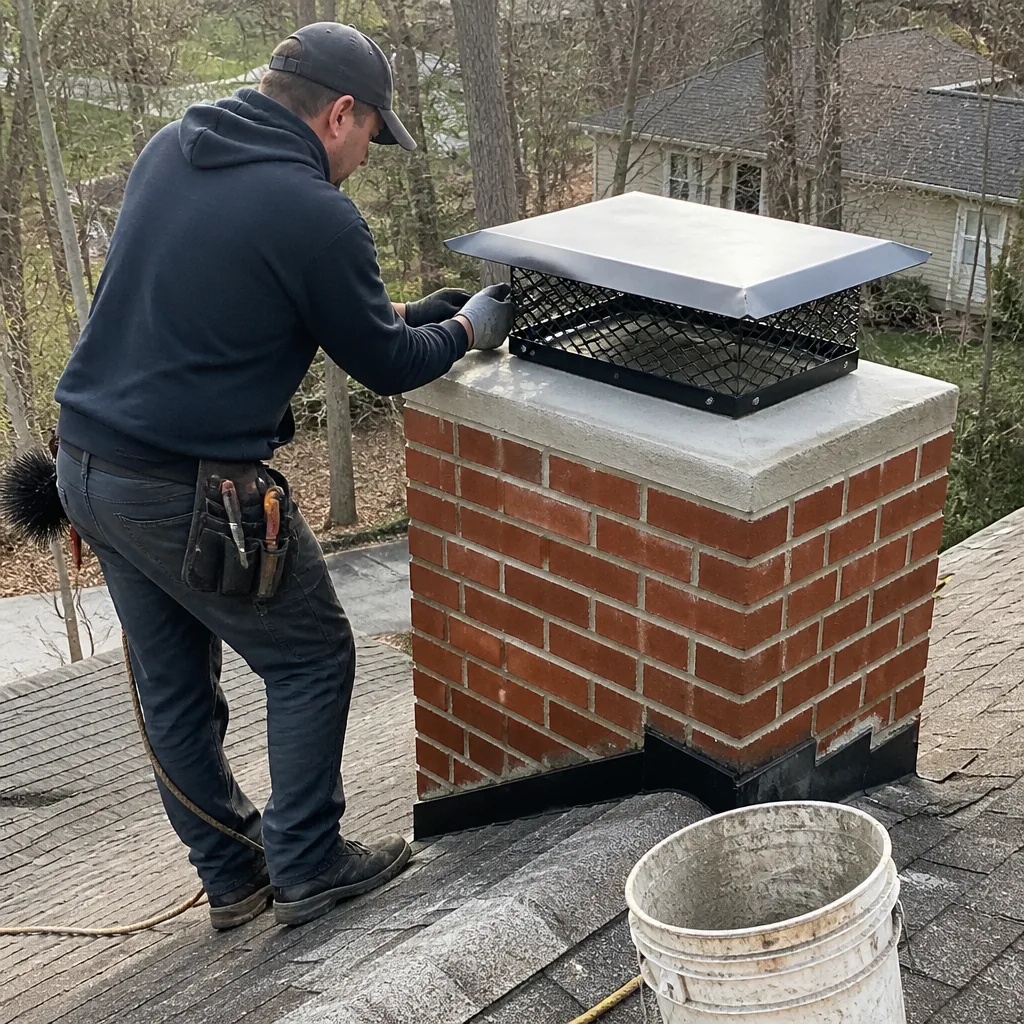
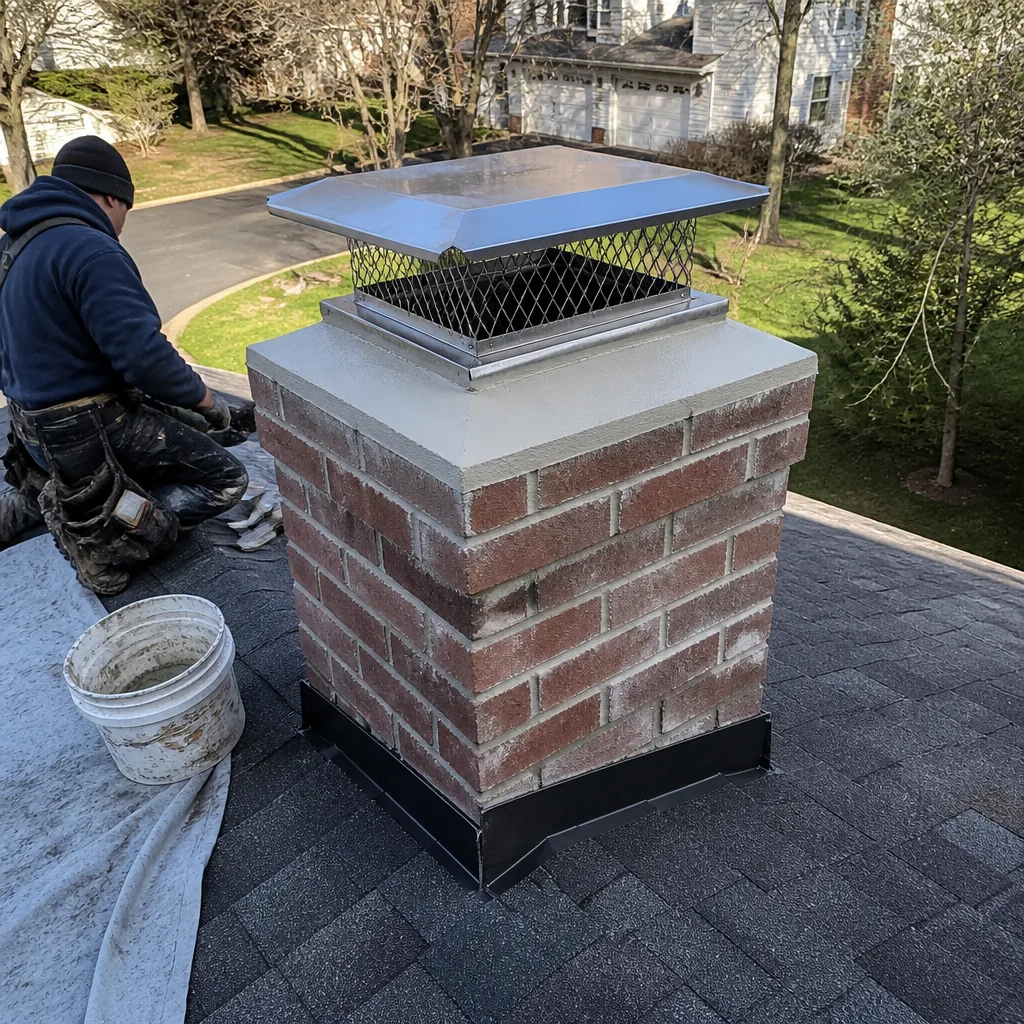
Level 1 sweep and inspection to the NFPA 211 annual standard - flue, crown, cap, and flashing checked and photographed
Chimney sweep logs do not sweep chimneys. They loosen some creosote - which then falls where a brush and vacuum still have to collect it.
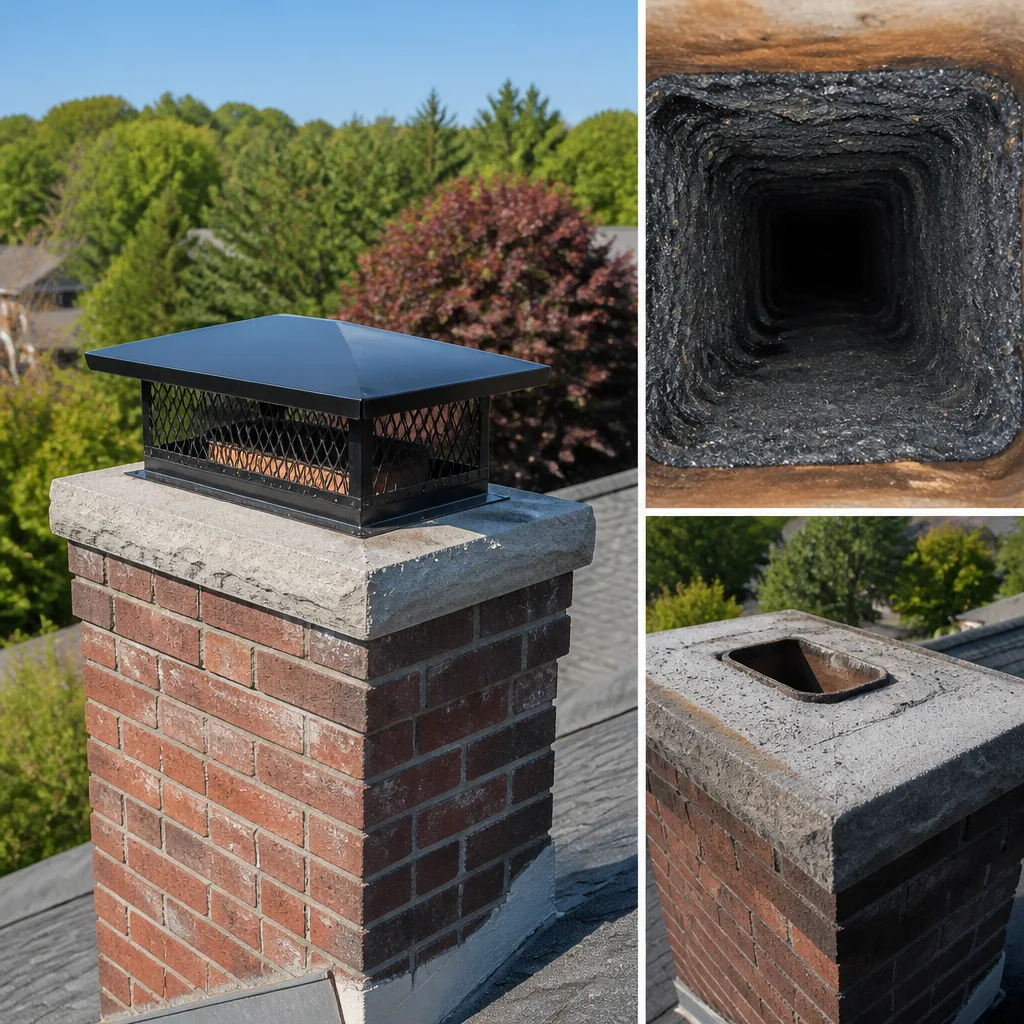
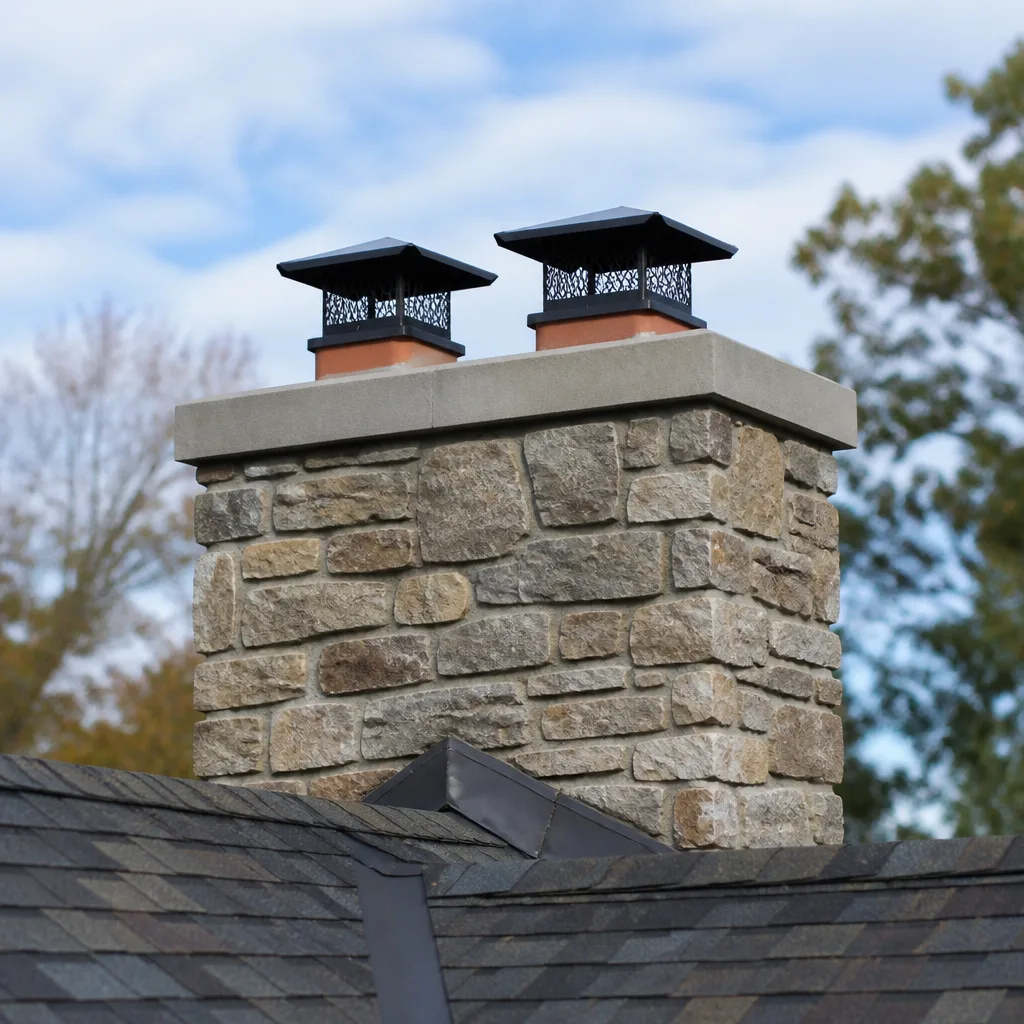
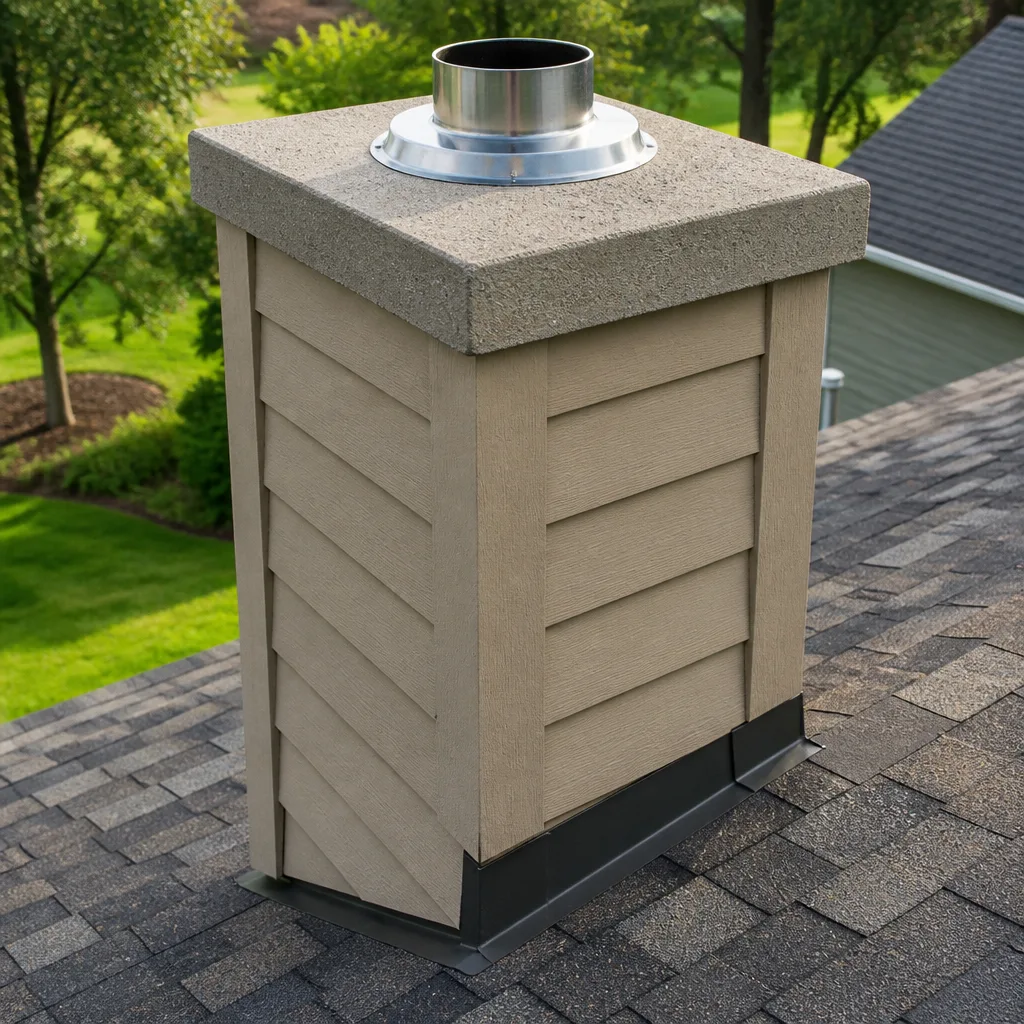
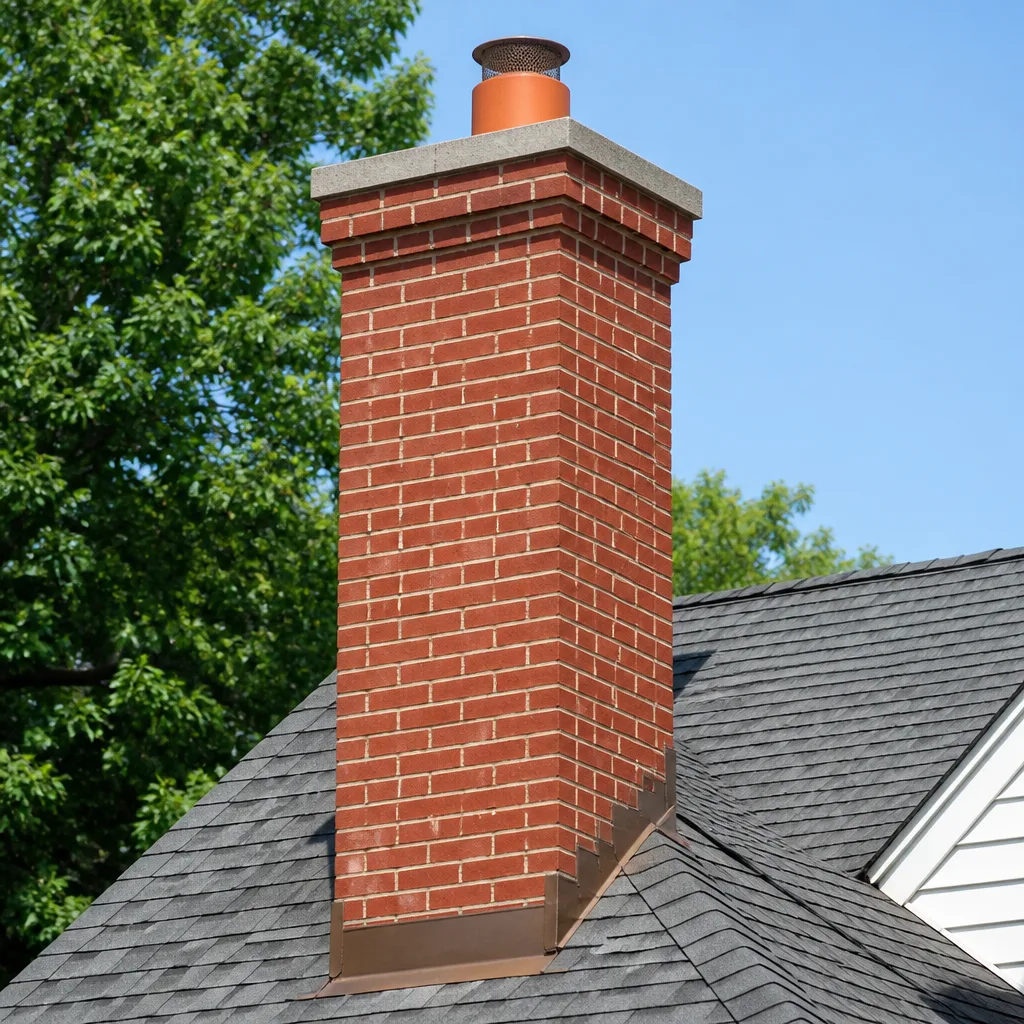
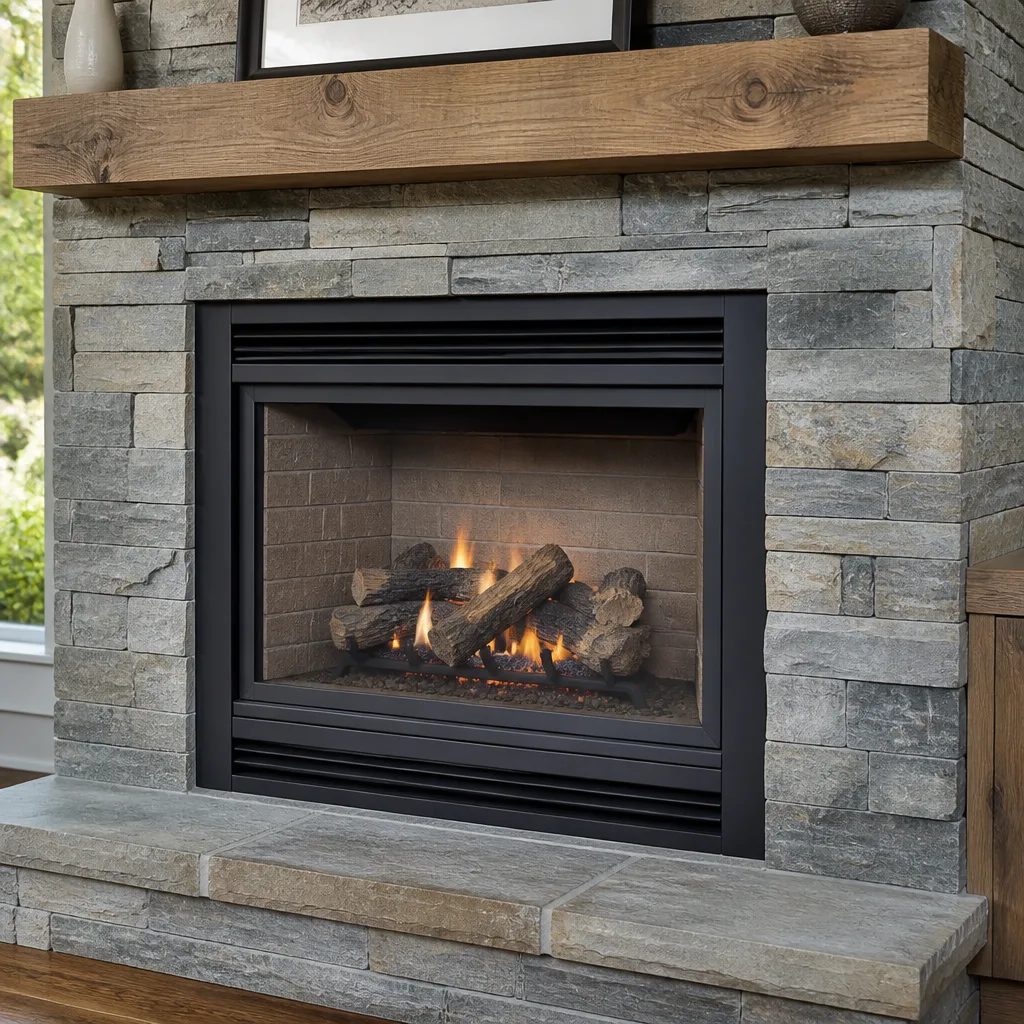
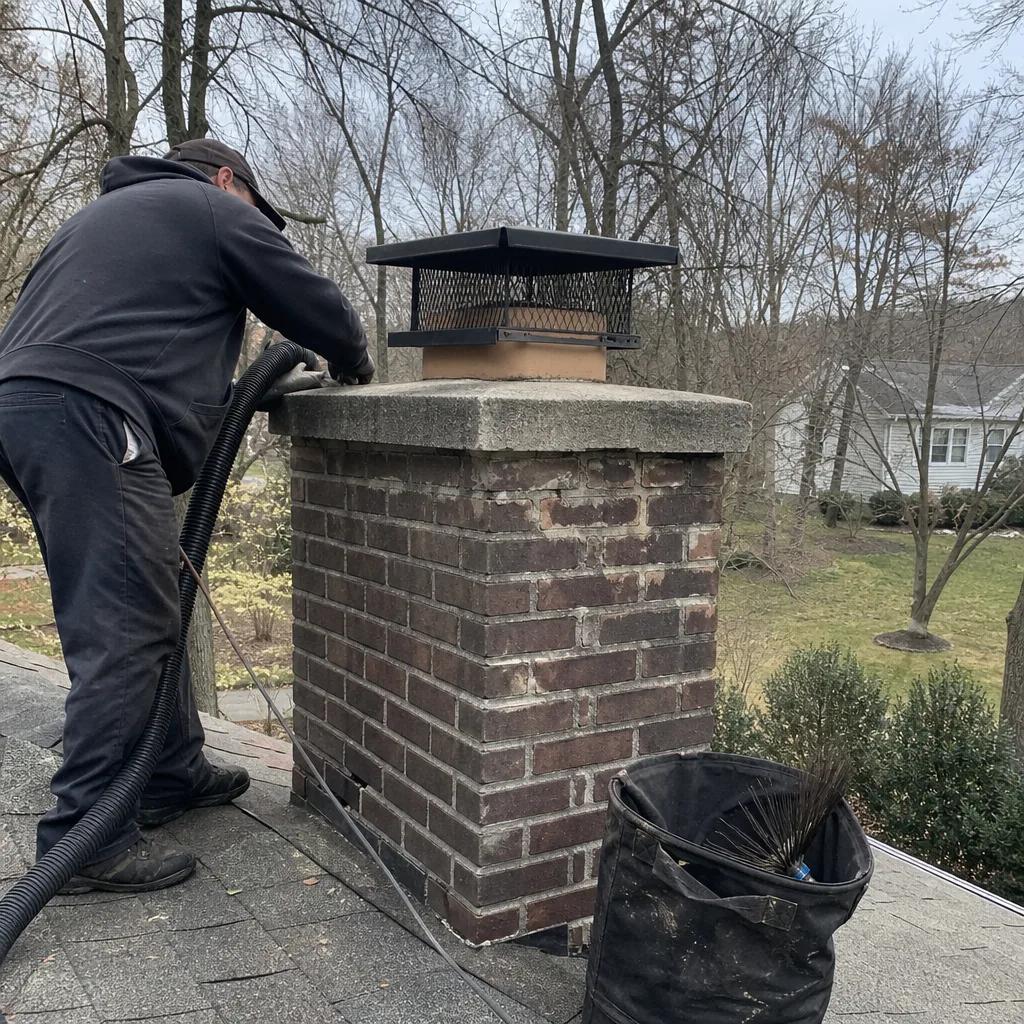 Before
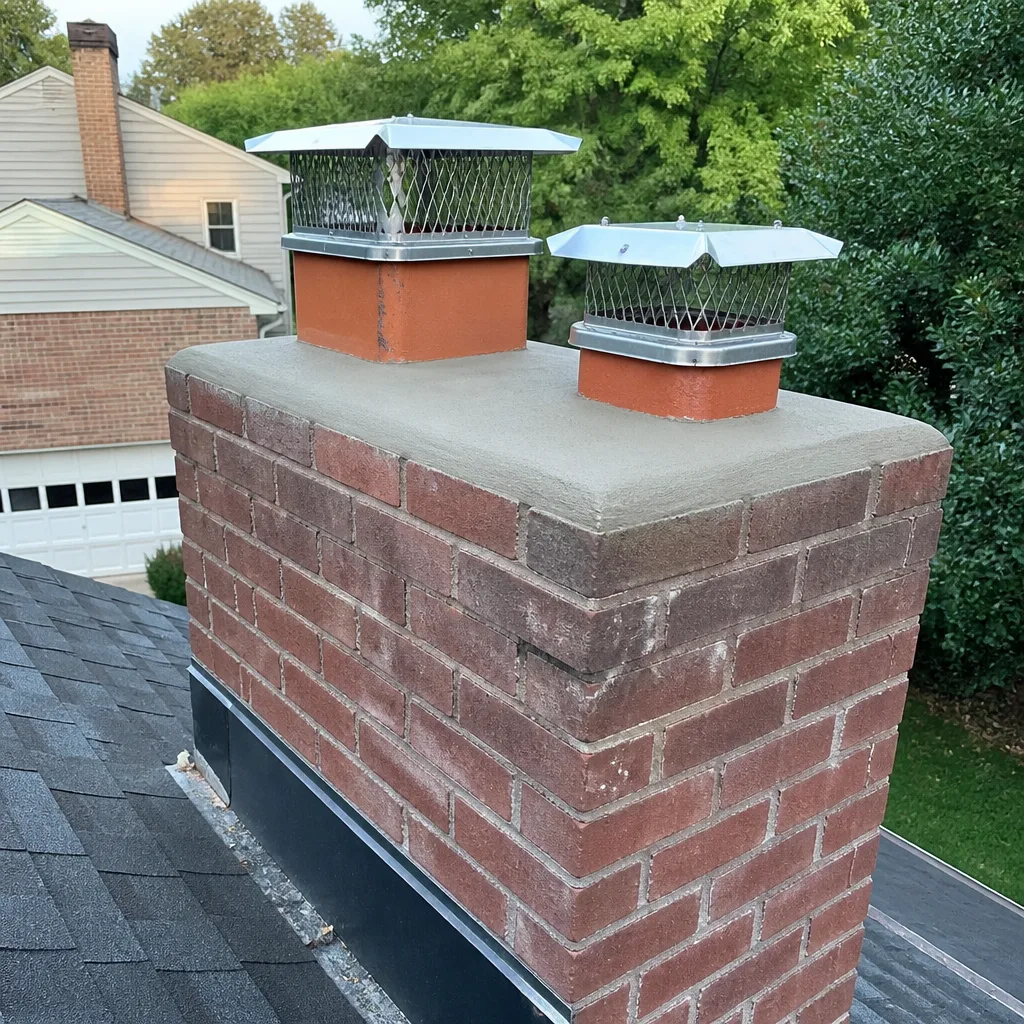 After
After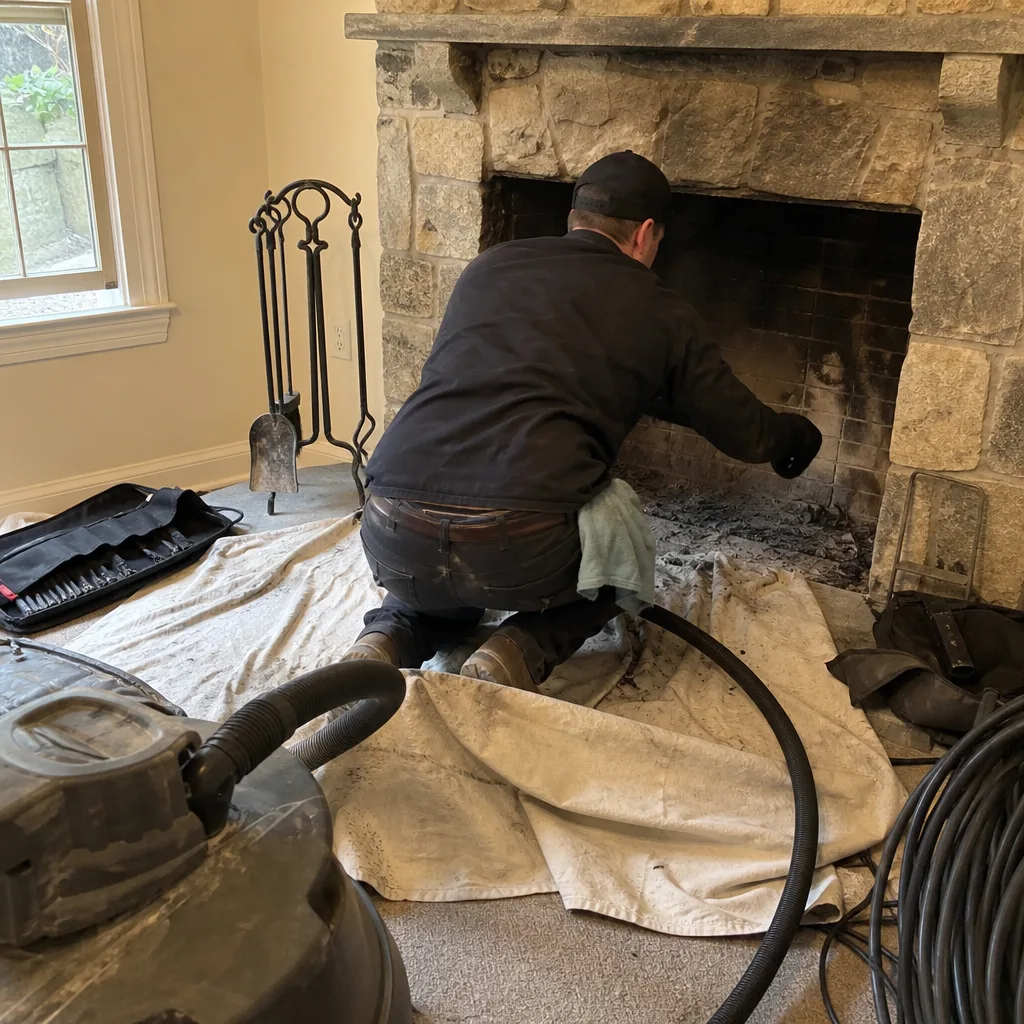 Before
 After
After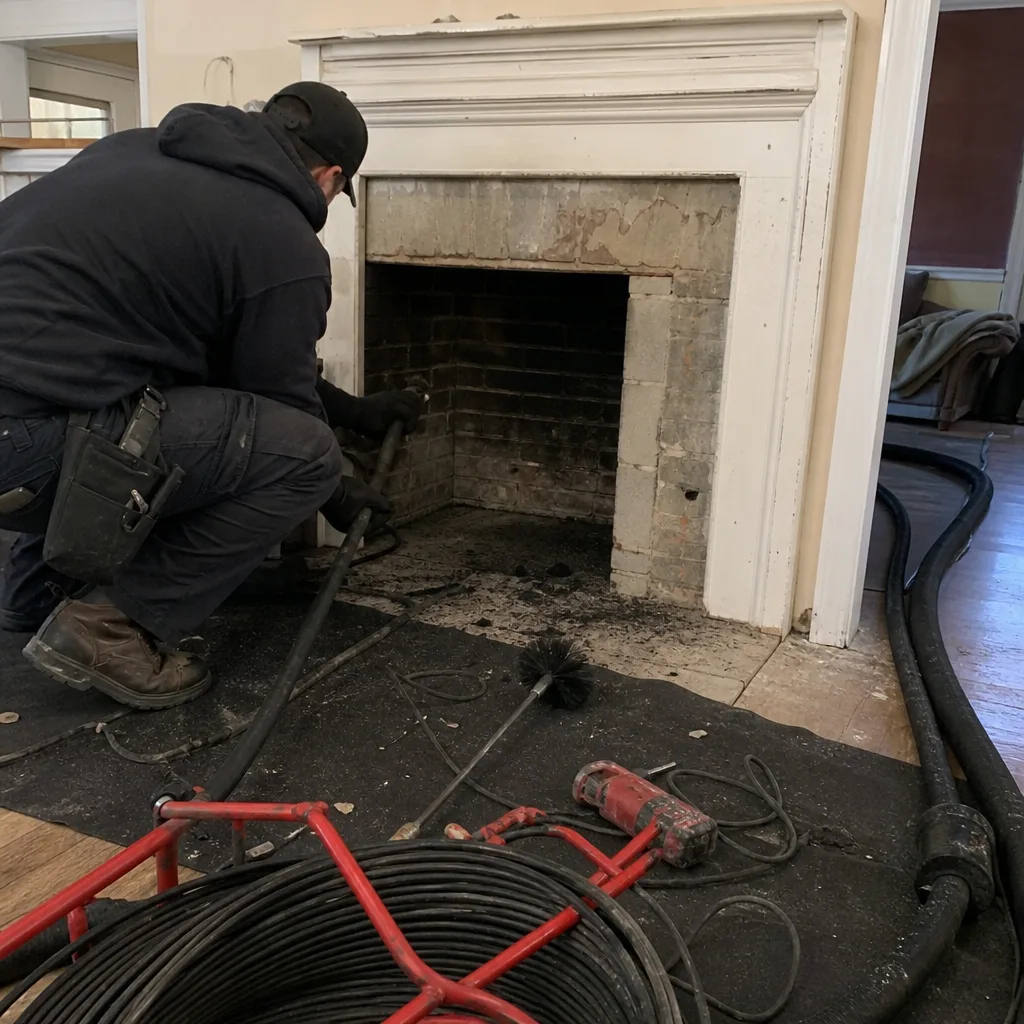 Before
 After
AfterCreosote Removal in Fairfax, VA
Creosote removal in Fairfax typically costs between $180 and $650, depending on the class of buildup and the flue configuration. Most appointments are completed the same day, with a written price delivered before any work begins. If you want a number now, call (571) 443-8256 – someone picks up every time, around the clock.
We’re Level Two Chimney Fairfax, and creosote removal is one of the most common calls we get – particularly in late October through February, when Fairfax homeowners are lighting fires they haven’t lit since the previous winter. Since 2009 we’ve provided Chimney Cleaning & Sweep services and inspected more than 38,000 chimneys across Northern Virginia, and a sizable share of that work has been removing creosote that built up quietly, season after season, while the fireplace seemed to function just fine.
Creosote is a combustion byproduct that condenses on the inner walls of the flue liner when smoke cools before it exits the chimney. Left alone, it progresses through three stages – each one more difficult to remove and more dangerous than the last. Class I creosote is a light, dusty residue. Class II is a flaky or tar-like layer that requires rotary brushing or chemical treatment. Class III is the one that genuinely frightens fire marshals: a dense, glazed deposit that can ignite at temperatures well below what a normal wood fire produces, and that burns at over 2,000 degrees Fahrenheit once it catches. At that point you’re not dealing with a dirty chimney – you’re dealing with a structure fire risk.
Our work here flows directly from our Chimney Cleaning & Sweep in Fairfax service. Creosote removal is not a standalone add-on we upsell at the door – it’s a defined scope with a documented process, a written price, and a photo record when we’re done.
When You Need Creosote Removal
The challenge with creosote is that most homeowners don’t know they have a problem until a technician puts a camera down the flue. That said, there are signs worth paying attention to.
- You smell something oily or acrid when the fireplace isn’t in use. In Fairfax neighborhoods like Burke, Fair Lakes, and Oakton, older Colonial-style homes with masonry fireplaces often develop this smell in summer humidity – the creosote is off-gassing through micro-cracks in the liner or into the smoke chamber.
- Your fires produce heavy smoke that lingers in the room. A flue partially blocked by Class II or Class III buildup restricts the draft. The smoke has nowhere efficient to go, so it comes back into the living space.
- You see a dark, tarry residue on the damper or firebox walls. If it’s visible at damper level, there’s almost certainly more further up the flue where you can’t see without a camera.
- You haven’t had the chimney cleaned in more than a year but used the fireplace regularly. NFPA 211 – the national standard our inspections are built around – recommends annual cleaning for any chimney in active use. Fairfax’s winters run cold enough that a fireplace used even two or three times a week through December and January will accumulate meaningful deposits.
- You had a chimney fire, even a small one. Small chimney fires are often dismissed as “the chimney cleaning itself,” but they are a warning sign that Class III creosote ignited. After any detectable chimney fire, a Level 2 camera inspection is mandatory before the fireplace goes back into service – both for safety and for most homeowner insurance policies.
- You’re buying a home in Fairfax with a wood-burning fireplace. Northern Virginia’s real estate market moves fast, and chimney inspections are frequently skipped or rushed during the due-diligence period. We see homes in Vienna, Reston, and McLean regularly where the fireplace wasn’t used for years – and the creosote from the previous owner’s last busy winter is still coating the liner.
Our Creosote Removal Process
Every job starts with a written scope and a written price – not after the tech is already set up in your living room, but before anything is agreed to. That’s Clause 1 of the Haven Standard, and it’s not a formality: it means you know exactly what you’re paying and why before a single brush goes into the flue.
- Camera-scan inspection of the full flue. We run a camera down the liner from the crown to the firebox, documenting the condition at every point. This isn’t a flashlight look from below – it’s a full NFPA 211 Level 2 scan that shows us the exact class of creosote present, any cracks in the liner, and whether there are sections requiring chemical treatment before brushing. You see the same footage we see.
- Classification and written price. Based on what the camera shows, we classify the buildup and price the job. Class I removal is straightforward mechanical sweeping. Class II typically requires rotary power brushing with commercial-grade equipment. Class III glazed deposits require a chemical application – we use products sourced through our supply network, including materials from Copperfield – followed by a return visit after the chemical has had time to work. All of this is in writing before we proceed.
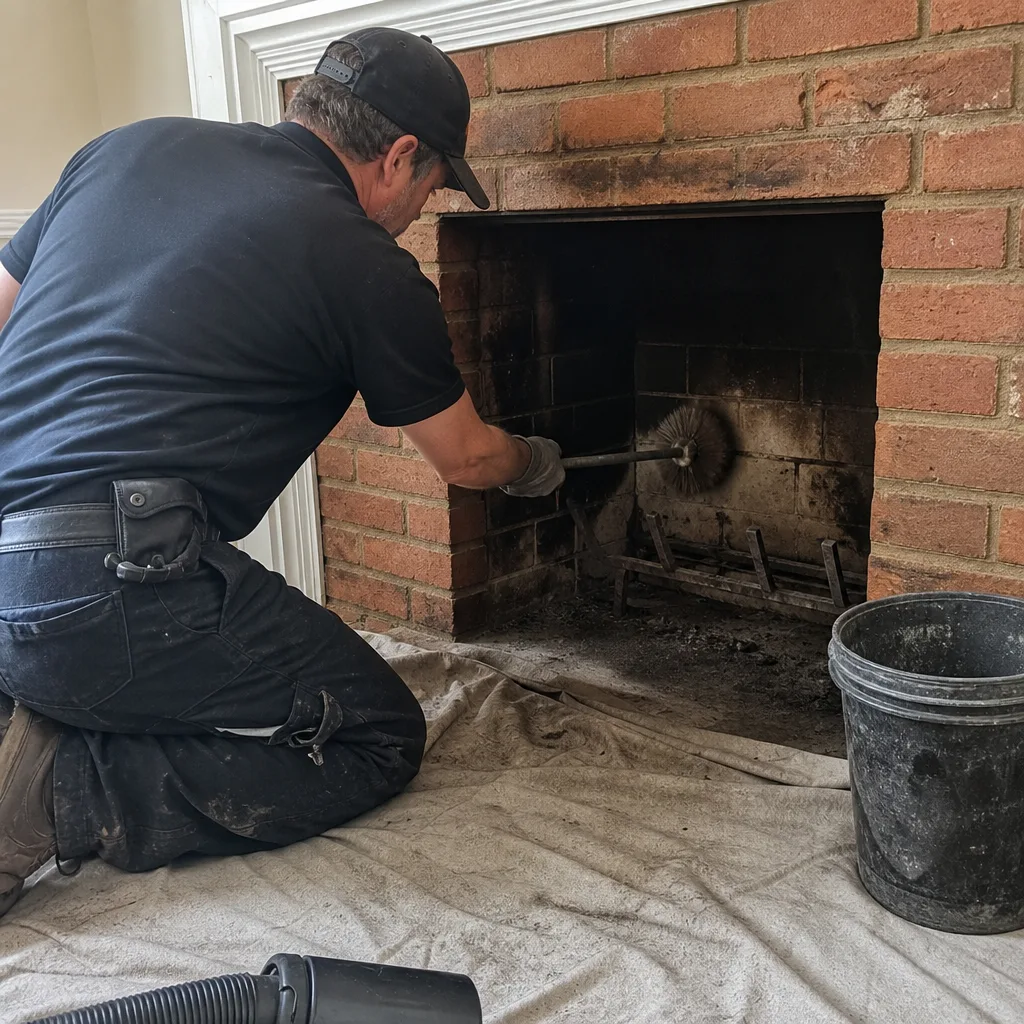
- Protective setup inside the home. Our techs lay drop cloths, seal the firebox opening, and connect HEPA-filtered vacuum equipment to the flue before any brushing starts. In older Fairfax homes with original masonry smoke chambers, this step matters – the smoke chamber is often unlined or roughly parged, and disturbing heavy deposits without containment makes a significant mess.
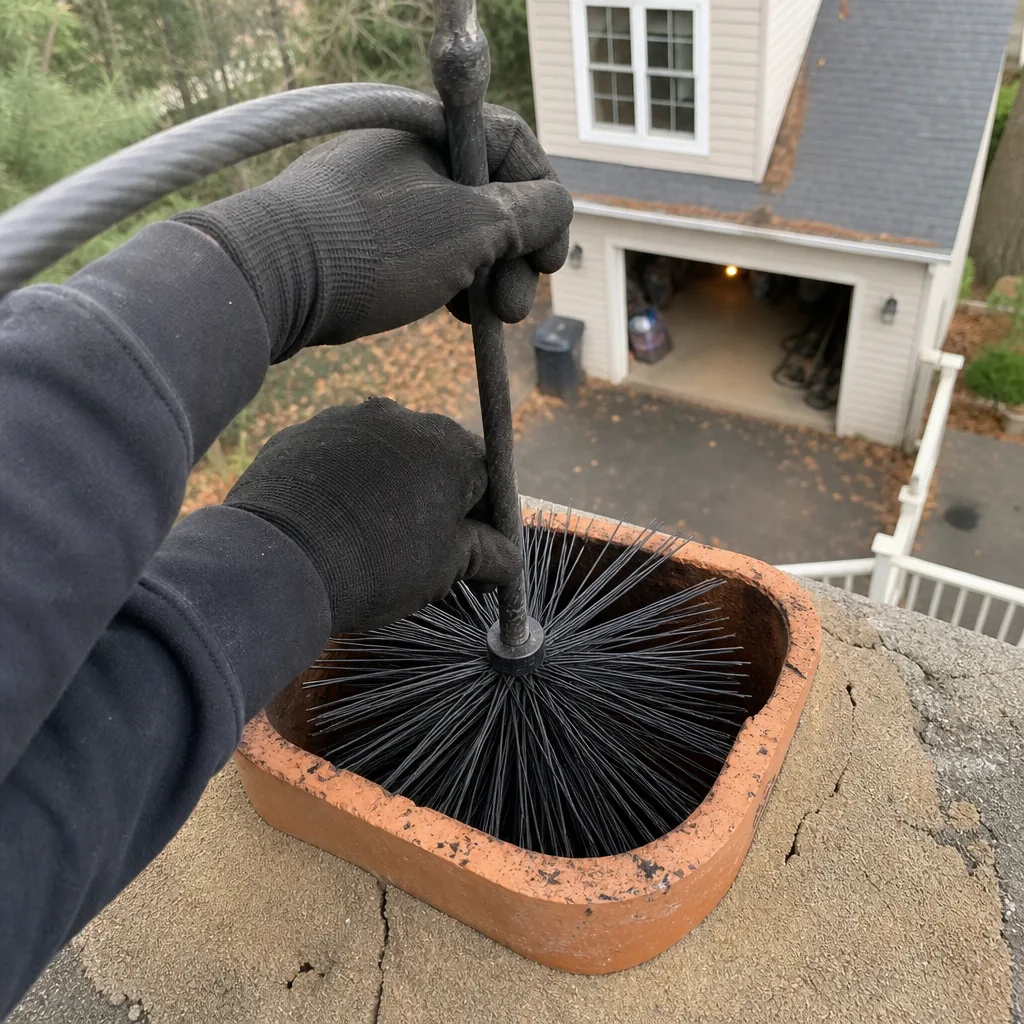
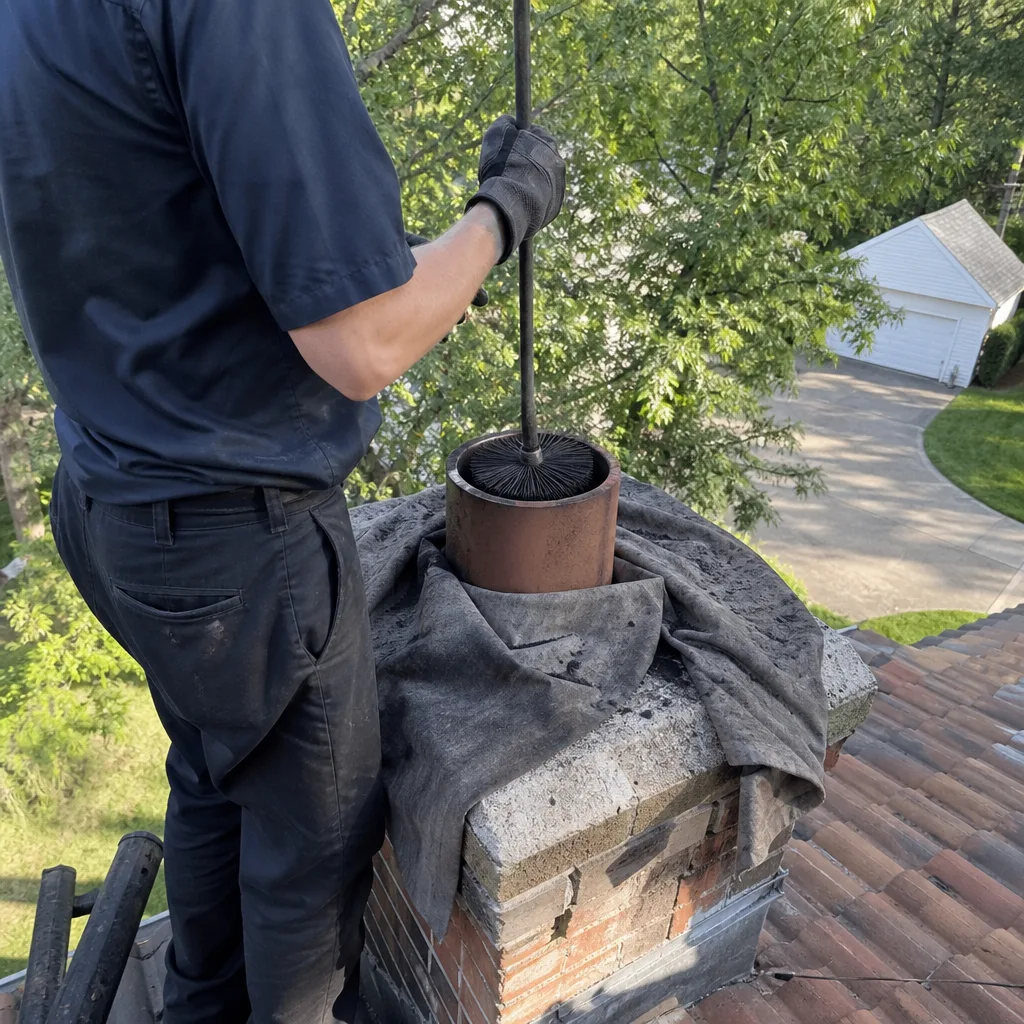
- Mechanical removal: brushing and vacuuming. We work from the top down using rotary brushes sized to your flue liner – whether that’s a round clay tile liner, a DuraFlex flexible liner, or a factory-built metal system. Debris is captured by the vacuum system as it falls. For Class II deposits, we may make multiple passes to confirm the liner walls are clean down to the tile or metal surface.
- Chemical treatment where required (Class III). If glazed creosote is present, we apply a creosote-modifying chemical to the affected sections. This changes the chemical structure of the deposit, making it friable enough to be brushed away on a follow-up visit. We schedule that return appointment before we leave, and the written price covers both visits – no surprise second invoice.
- Final camera scan and photo record. We run the camera again after cleaning, photograph the liner from crown to firebox, and provide a documented photo record of the completed condition. Clause 4 of the Haven Standard requires this on every job, not just the ones where something went wrong. You have a record. Your insurer has a record. If you sell the home in five years, the buyer’s inspector has a record.
BeforeAfterCreosote Removal Pricing in Fairfax
Creosote removal in Fairfax runs between $180 and $650 for the majority of jobs. Here’s how that range breaks down.
| Creosote Class | Typical Scope | Price Range (Fairfax) |
|---|---|---|
| Class I – Light dusty deposits | Standard sweep included in annual cleaning | $180 – $280 |
| Class II – Flaky or tar-like buildup | Rotary power brushing, single visit | $260 – $420 |
| Class III – Glazed, hardened deposits | Chemical treatment + return visit for mechanical removal | $420 – $650 |
A few things affect where a specific job falls in those ranges. Flue height matters – a two-story Colonial in Fair Lakes with a taller stack takes longer to brush than a ranch-style home in Annandale with a shorter run. Liner type matters too: a rough-parged smoke chamber holds deposits differently than a smooth stainless liner. And if the chimney hasn’t been cleaned in several years, there’s often more than one class of deposit in different sections of the same flue, which adds complexity.
What doesn’t change: you’ll have the written price before anyone starts. We source materials – including chemical treatments and brush stock – through our supply network, which includes Olympia Chimney and Copperfield, specifically to keep costs honest rather than marking up whatever’s available locally at the moment.
We also offer a free second opinion on any written estimate you’ve received from another company. If you’ve got a quote in hand and want to understand what you’re actually being charged for, bring it to us and we’ll go through it line by line.
To get a number specific to your chimney, call (571) 443-8256. Estimates are free, and the price you’re quoted is the price on the invoice.
FAQs – Creosote Removal
How much does creosote removal cost in Fairfax, VA?
Creosote removal in Fairfax costs between $180 and $650 depending on the class of buildup. Class I dusty deposits fall at the low end and are typically handled as part of a standard annual sweep. Class III glazed creosote – the dense, hardened type that requires chemical treatment and a follow-up visit – falls at the higher end. The camera inspection at the start of every job determines exactly what’s present, and you’ll have a written price before any work begins. Call (571) 443-8256 for a free estimate specific to your chimney.
Is creosote removal dangerous to do yourself?
For Class I deposits, a homeowner with a properly sized chimney brush can do surface sweeping without serious risk, though the mess is usually underestimated. For Class II and especially Class III creosote, DIY removal creates real hazards. Rotary power brushing in a cracked liner can dislodge damaged tile sections. And handling Class III glazed deposits – which require chemical modification – without understanding the fume profile and containment requirements puts both the occupants and the structure at risk. The bigger concern is that without a Level 2 Inspection, you have no reliable way to know which class you’re dealing with or whether the liner is intact. A trained technician with camera equipment and proper containment isn’t a premium service – it’s the minimum safe approach for anything beyond a light sweep.
How often should I have creosote removed from my Fairfax chimney?
Annual removal is the right baseline for any fireplace used regularly through the heating season. In Fairfax, where winters are cold enough to run a wood fire from November through March, that adds up to meaningful buildup – especially in homes burning green or unseasoned wood, which produces significantly more creosote than well-seasoned hardwood. If you’re burning three or more times a week, a mid-season check in January isn’t excessive. If the fireplace sees light use – a few times a month – annual cleaning before or after the heating season covers it. The camera scan at each visit gives you an objective measure rather than a guess.
What happens if creosote isn’t removed?
Class I creosote left in place accumulates into Class II, and Class II into Class III. The progression happens faster than most homeowners expect – a single winter of heavy use in a flue that wasn’t cleaned the prior spring can produce Class II buildup throughout. Class III creosote is the direct cause of most chimney fires: it ignites at temperatures a normal wood fire can reach, and once burning it produces heat that can crack or destroy the liner, transfer to adjacent framing, and escalate into a house fire. Beyond the fire risk, heavy creosote blocks draft efficiency, causes odor problems (particularly in summer in Fairfax’s humidity), and can accelerate deterioration of clay tile liners. The cost of removal is significantly lower than the cost of a liner replacement – or a fire.
Key Takeaways
- Creosote builds up in three classes – Class III is a structural fire risk that requires chemical treatment, not just brushing.
- Fairfax homeowners using a wood fireplace regularly should expect annual removal; the camera scan at each visit tells you exactly what class you’re dealing with.
- Pricing runs $180 to $650; the written price is confirmed before any work starts, every time, no exceptions.
- Every job includes a camera-scan inspection before and after, and a documented photo record on completion – standard under Clause 4 of the Haven Standard.
- Class III glazed creosote removal involves chemical treatment and a return visit; both are covered under a single written price.
- A free second opinion on any written estimate is available – bring us the quote and we’ll review it with you.
- Live phone support is available around the clock at (571) 443-8256.
Schedule Creosote Removal in Fairfax
If your fireplace has been in regular use, if you’ve noticed an oily smell, heavy smoke, or visible tarry residue, or if you simply haven’t had the chimney cleaned in the past year, it’s worth a camera look. We’ll tell you exactly what’s there, put a written price in front of you before anything starts, and leave you with a photo record of the completed work. That’s how every job runs here – whether it’s a straightforward Class I sweep or a two-visit Class III treatment on a decades-old masonry flue in a Fairfax neighborhood like Clifton or Centreville.
Call (571) 443-8256 to schedule or to ask any questions before you book. Someone answers every time, day or night. The estimate is free, and the price you’re quoted in writing is the price on the invoice – no adjustments after the tech is already in your home.
Level Two Chimney Fairfax is independently owned and operated, background-checked technicians arrive in uniform with your name and their name already matched, and every job is backed by the 365-Day Done Right Promise: if it’s not right, we make it right.
Written by Corrine Halstead, Owner at Level Two Chimney Fairfax, serving Fairfax.