
Level 1 sweep and inspection to the NFPA 211 annual standard - flue, crown, cap, and flashing checked and photographed
Chimney sweep logs do not sweep chimneys. They loosen some creosote - which then falls where a brush and vacuum still have to collect it.
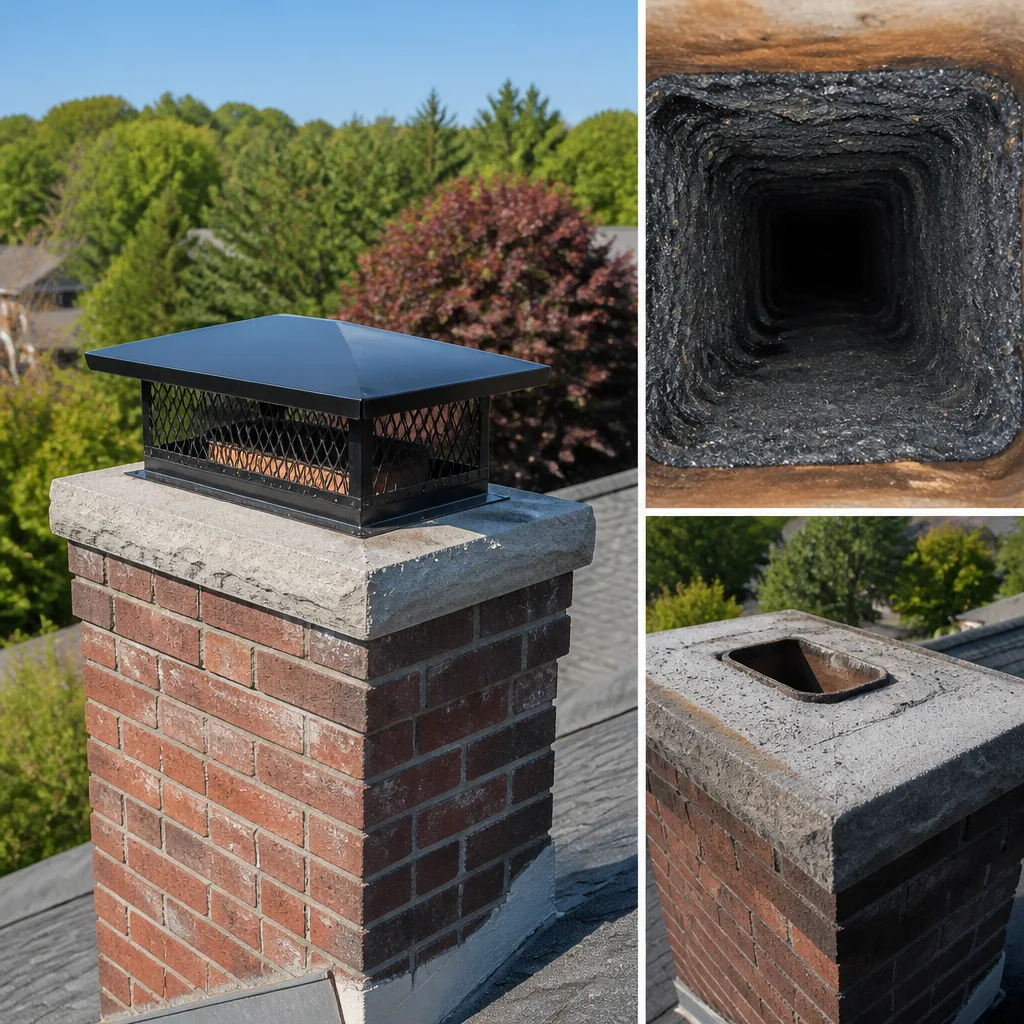
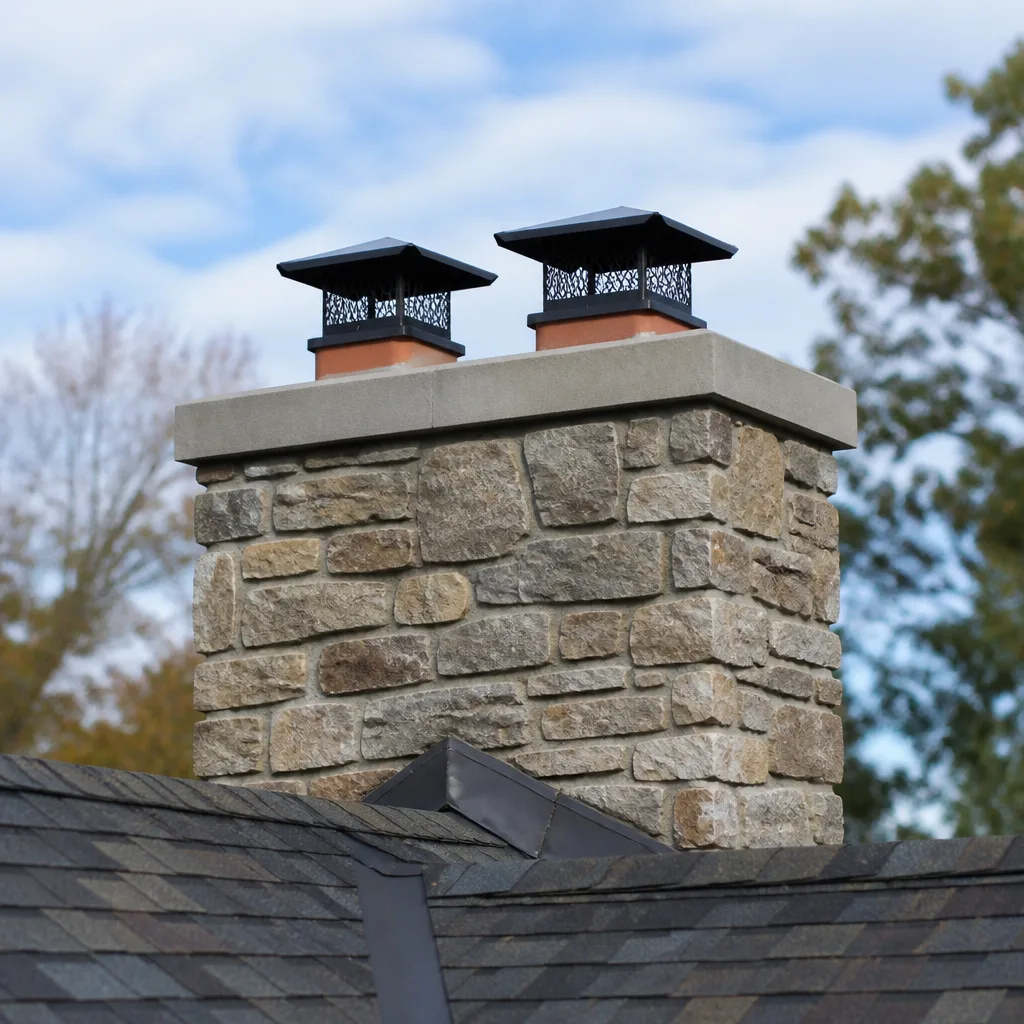
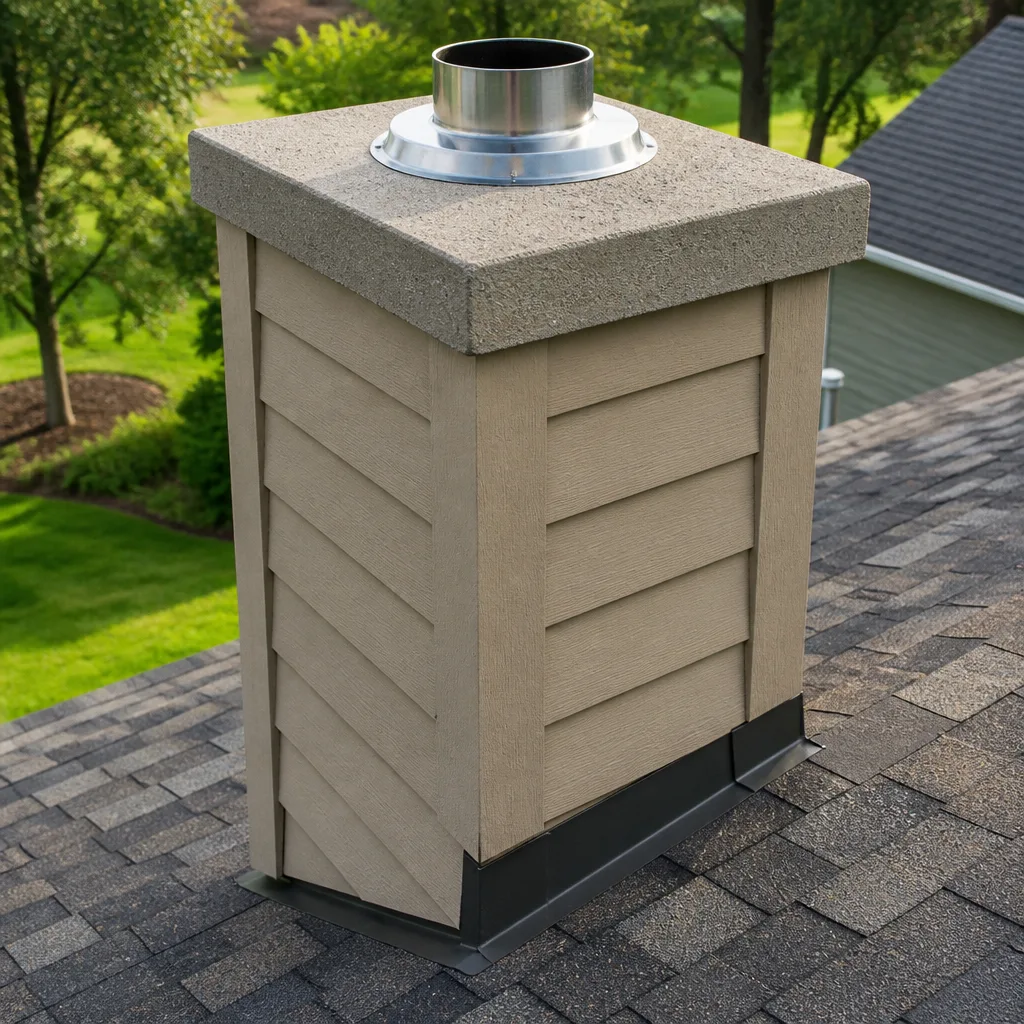
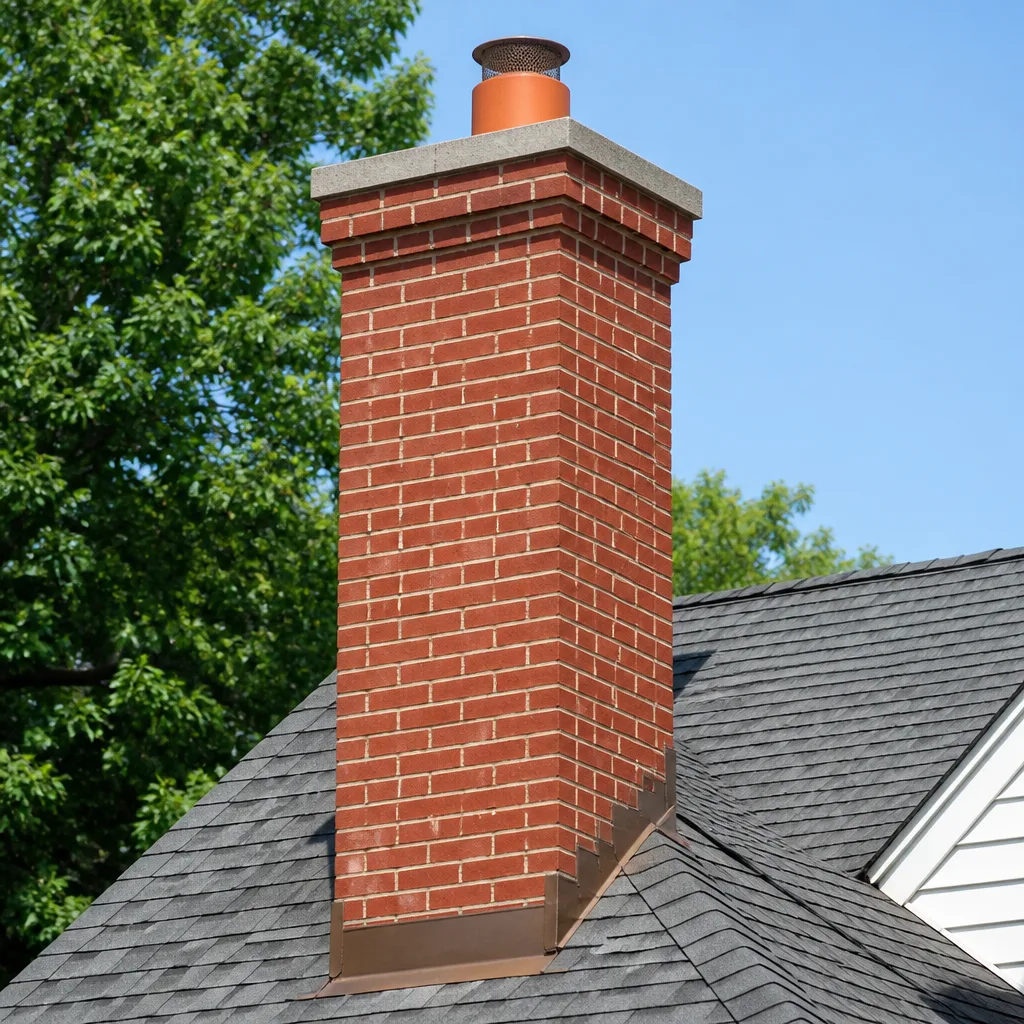
 Before
 After
After Before
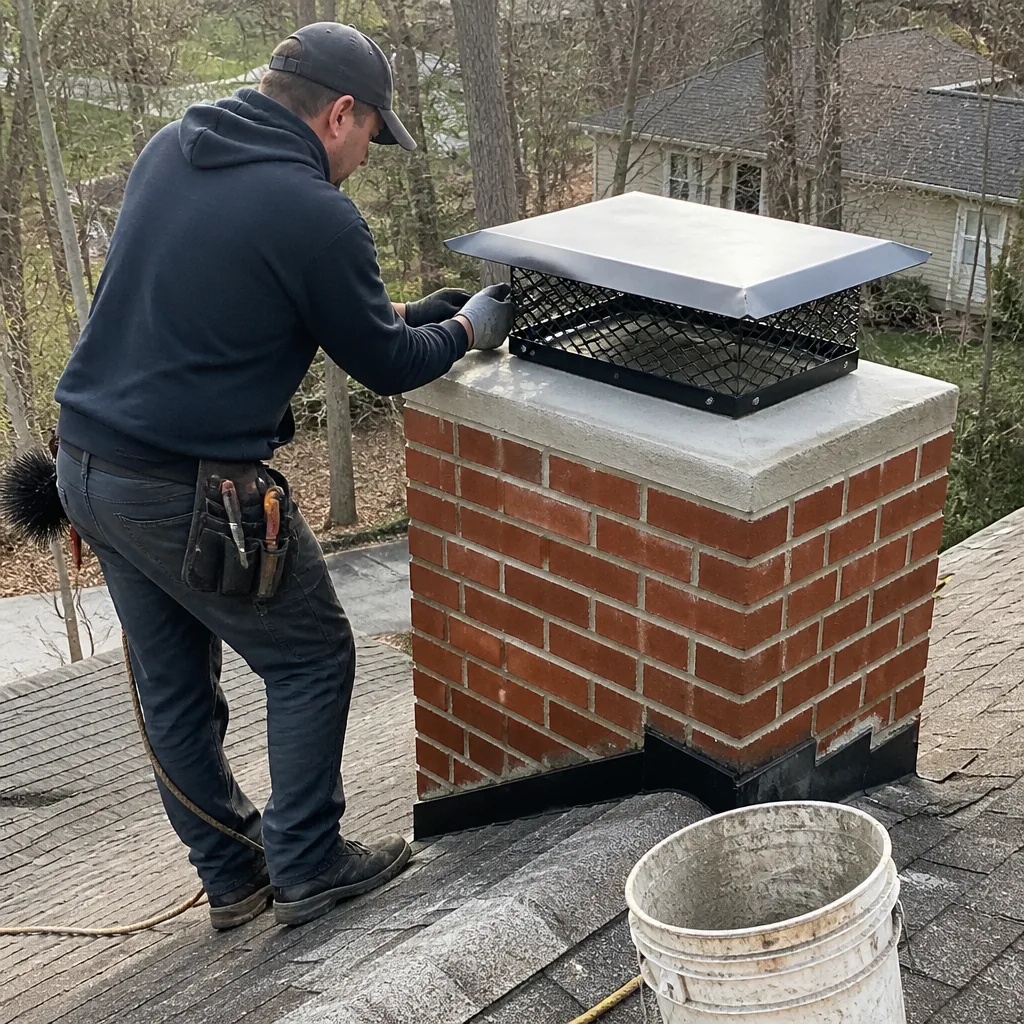 After
After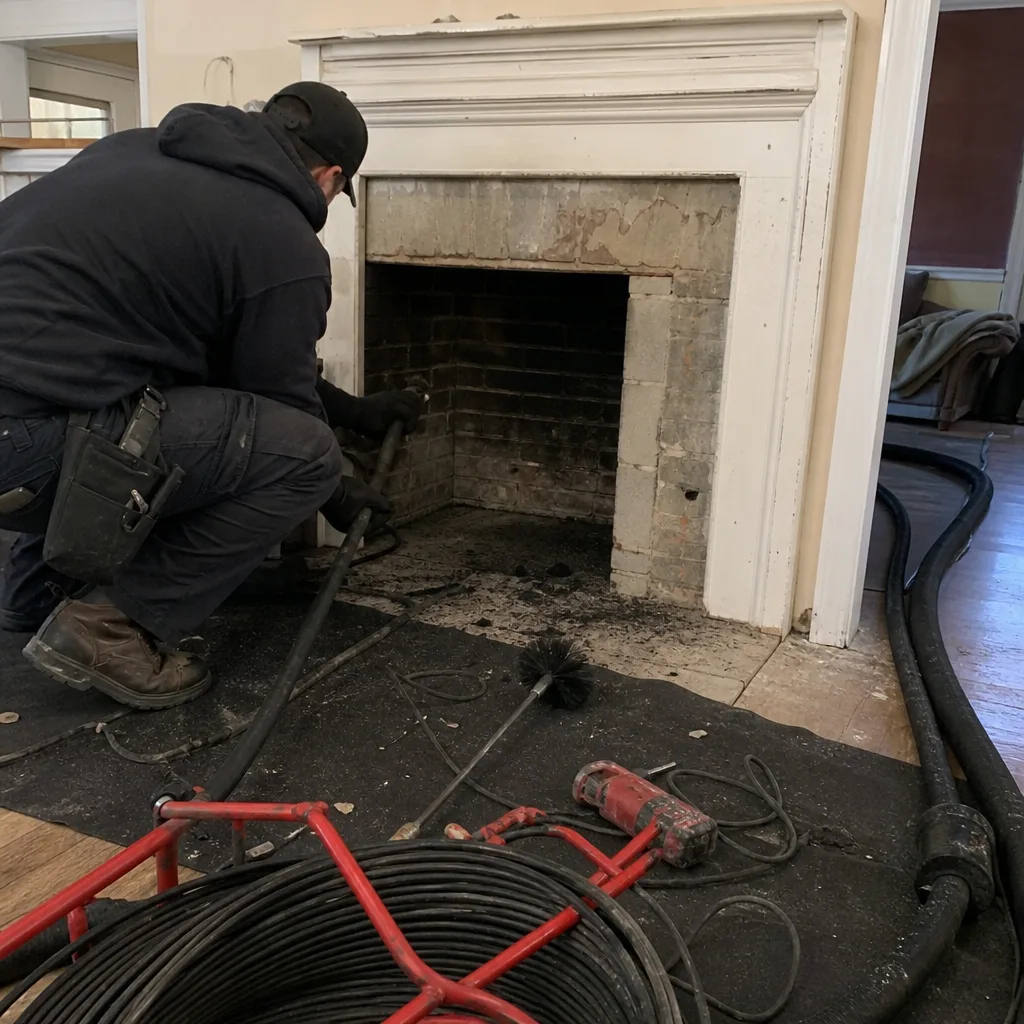 Before
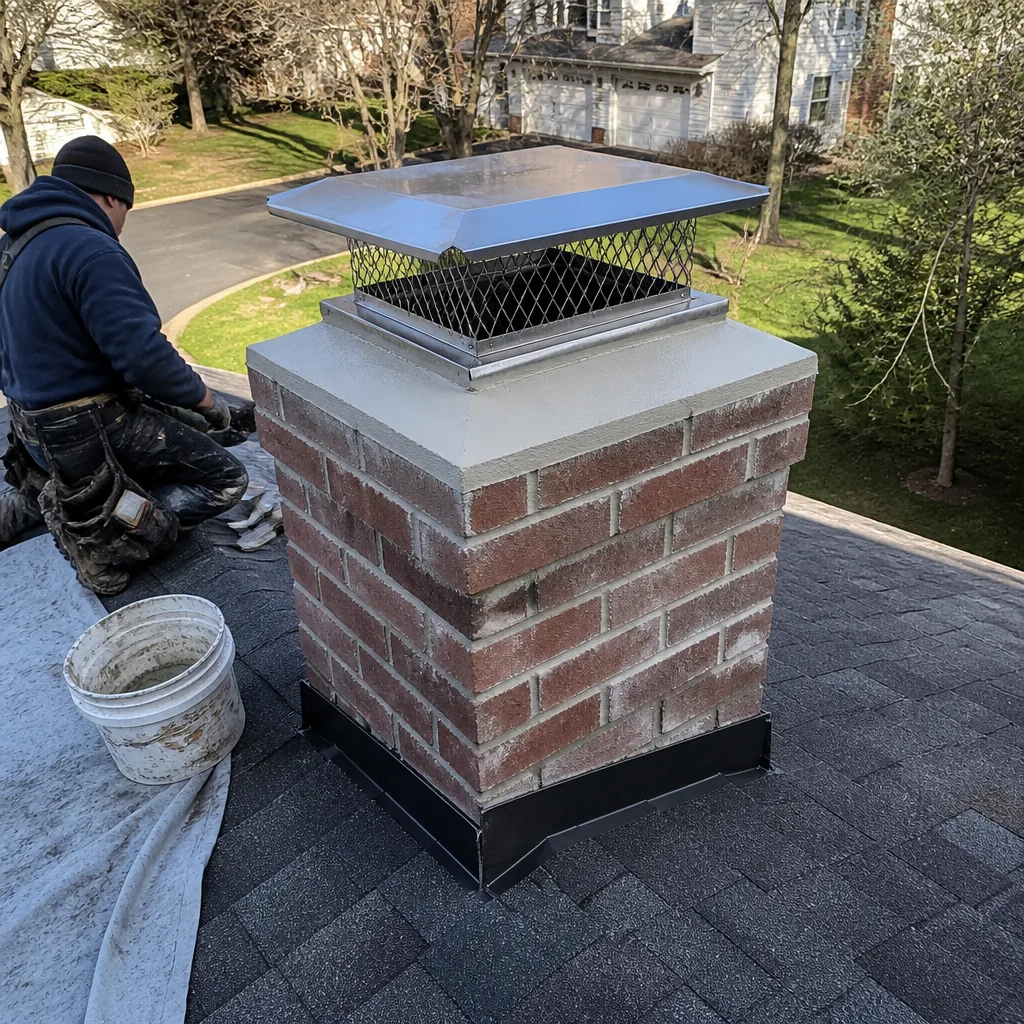 After
AfterHeatShield Flue Liner Replacement: The Fairfax Owner’s Guide
We stock and install HeatShield-compatible flue liner replacement systems in Fairfax, with most complete liner replacements running between $2,800 and $5,400 installed depending on flue height, access, and whether we’re relining an existing HeatShield system or replacing a failed one outright. Most Fairfax homeowners discover the problem the way the industry does now: a camera goes down the flue during a routine sweep and finds the HeatShield coating delaminating, cracked, or gone entirely in sections. The liner is the only barrier between fireplace exhaust and the wood framing of your home, and when a HeatShield system fails, it fails in a way that’s visible on camera before it’s visible to the naked eye.
Here’s what you need to know before you spend a dollar: HeatShield is a cerfractory coating system, not a rigid liner. It’s applied as a foam or cast-in-place material, and it fails differently than stainless steel. That matters for pricing, for what you’re comparing when you get quotes, and for whether a repair is even the right call. We’ll walk through all of it below.
Key takeaways:
- We stock HeatShield-compatible materials and matching components on our trucks serving Fairfax and Northern Virginia.
- Installed replacement typically lands between $2,800 and $5,400, and you’ll have a written price before any work starts.
- A failed HeatShield liner is not a DIY repair. It’s a flue containment problem that requires a camera-documented diagnosis and professional installation.
- We’re an independent service provider, not affiliated with HeatShield, and we document every job with photos as a matter of standard practice.
Which HeatShield Models This Applies To
HeatShield systems fall into two broad categories: the original Cease-Fire foam application and the newer Cerfractory cast-in-place material. If your Fairfax home was retrofitted with HeatShield between roughly 2000 and 2015, you likely have the foam version. Homes done after 2015 typically received the Cerfractory formula, which holds up better but still fails in specific ways we see regularly in Northern Virginia.
Identifying what’s actually in your flue is step one. Check any paperwork from the original installation. If that’s gone, the camera inspection tells us what’s there. The foam version looks porous and uneven, almost like a rough stucco surface inside the flue. Cerfractory looks smoother and denser. The repair path differs: foam liners generally cannot be spot-repaired once failure begins; the coating loses bond with the underlying tile and you’re looking at full relining. Cerfractory can sometimes be patched in isolated sections, but only if the bond is intact elsewhere. The compatibility gotcha to understand: HeatShield is not a drop-in replacement for a stainless steel liner, and vice versa. They’re different systems with different installation requirements, and mixing components across systems is how bad flues get worse. We stock both HeatShield-compatible materials and quality equivalents from DuraFlex and Gelco, and we’ll tell you plainly which one makes sense for your fireplace and your Fairfax home’s chimney construction.
Signs Your HeatShield Flue Liner Replacement Is Failing
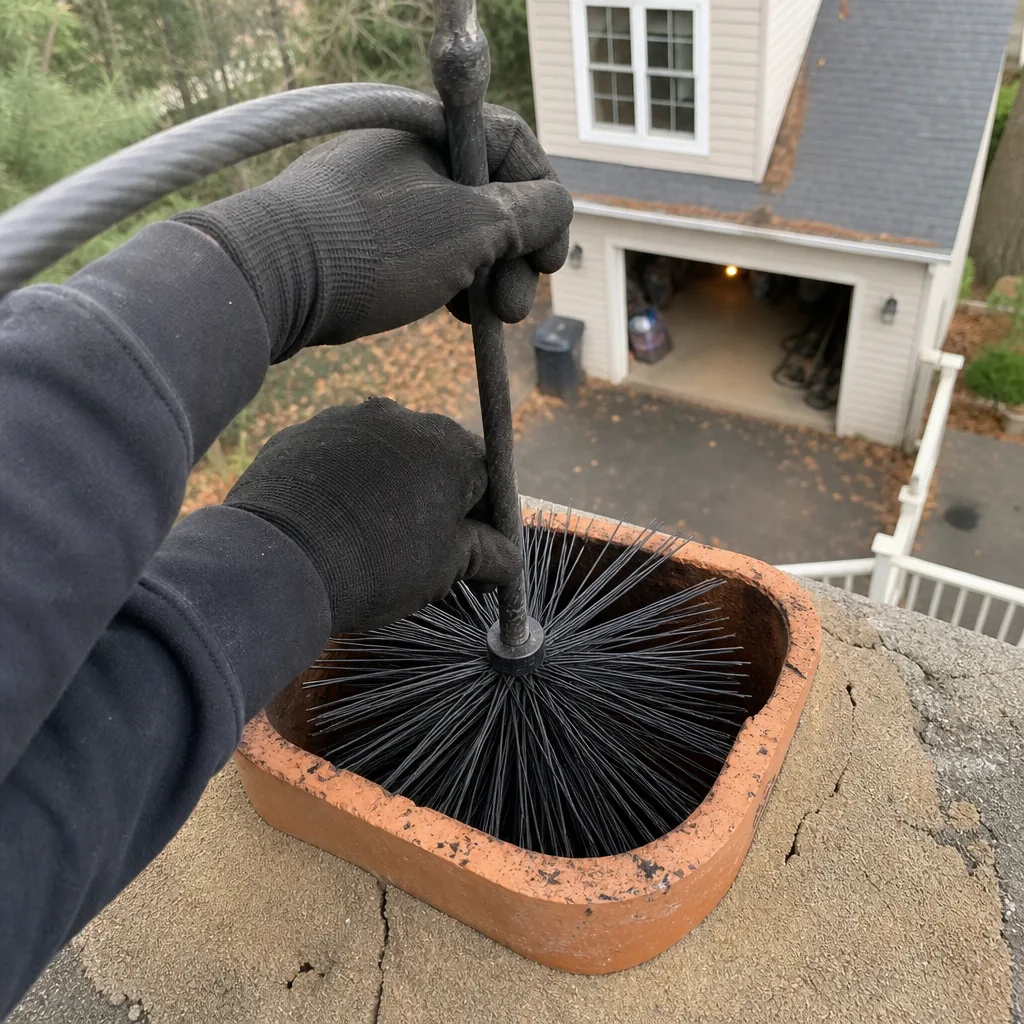
- Flakes or granular debris at the cleanout. This is the most common first signal. When the HeatShield coating begins to lose bond, small pieces fall to the smoke shelf and collect at the cleanout door. It looks like coarse sand mixed with gray or tan chips.
- Efflorescence or staining on the chimney exterior. Moisture is moving through the masonry because the flue is no longer sealed. In Fairfax’s freeze-thaw cycles, trapped moisture expands and forces white mineral deposits through the brick face. You’ll see it most often on the north-facing side of the chimney, which dries least.
- A smell you can’t place when the fireplace is cold. A failing liner lets creosote-saturated exhaust condense inside the flue and migrate into wall cavities on humid days. Fairfax summers are humid enough that this smell surfaces even when the fireplace hasn’t been used in months.
- Visible cracks or gaps in the coating during a camera inspection. This is the one that matters most. A camera scan shows delamination, longitudinal cracks, or complete sections of missing material. We’ve seen flues in Fairfax where the HeatShield coating was gone for six vertical feet and the homeowner had no idea.
- Downdrafts or sluggish fireplace performance. When the liner surface roughens and deteriorates, the flue stops drawing properly. You get smoke spilling into the room on startup, or a fire that burns lazy and smoldering regardless of how dry your wood is.
BeforeAfterReplacement Cost & What’s Included
For a typical single-flue HeatShield replacement in Fairfax, plan on $2,800 to $5,400 installed. Where your job lands in that range depends on flue height (a two-story colonial near Fairfax County Government Center runs taller than a rancher in Mantua), roof pitch and access, the condition of the original clay tile behind the HeatShield, and whether we’re doing a full cast-in-place reline or switching you to a rigid stainless system. Here’s how the numbers break down:
- Camera inspection and liner condition report: Included on every visit. We don’t quote a liner replacement without footage of the current flue condition.
- HeatShield Cerfractory reline (single flue, average height): $2,800-$4,200 installed.
- Full stainless steel replacement (DuraFlex 316Ti, insulated): $3,600-$5,400 installed. Sometimes this is the right call when the HeatShield has failed so thoroughly that the underlying tile is compromised.
- Teardown and rebuild of the smoke chamber parging, if needed: $600-$1,200, quoted separately and only recommended when camera footage shows it’s necessary.
Every quote is written, includes parts and labor separately, and covers the warranty term in plain language. The 365-Day Done Right Promise applies here: if it’s not done right, we make it right. You’ll leave the job with photos of the finished liner under the Haven Standard’s Clause 4 documentation requirement, and the written scope we quoted against. No price changes at the door.
DIY or Call Us?
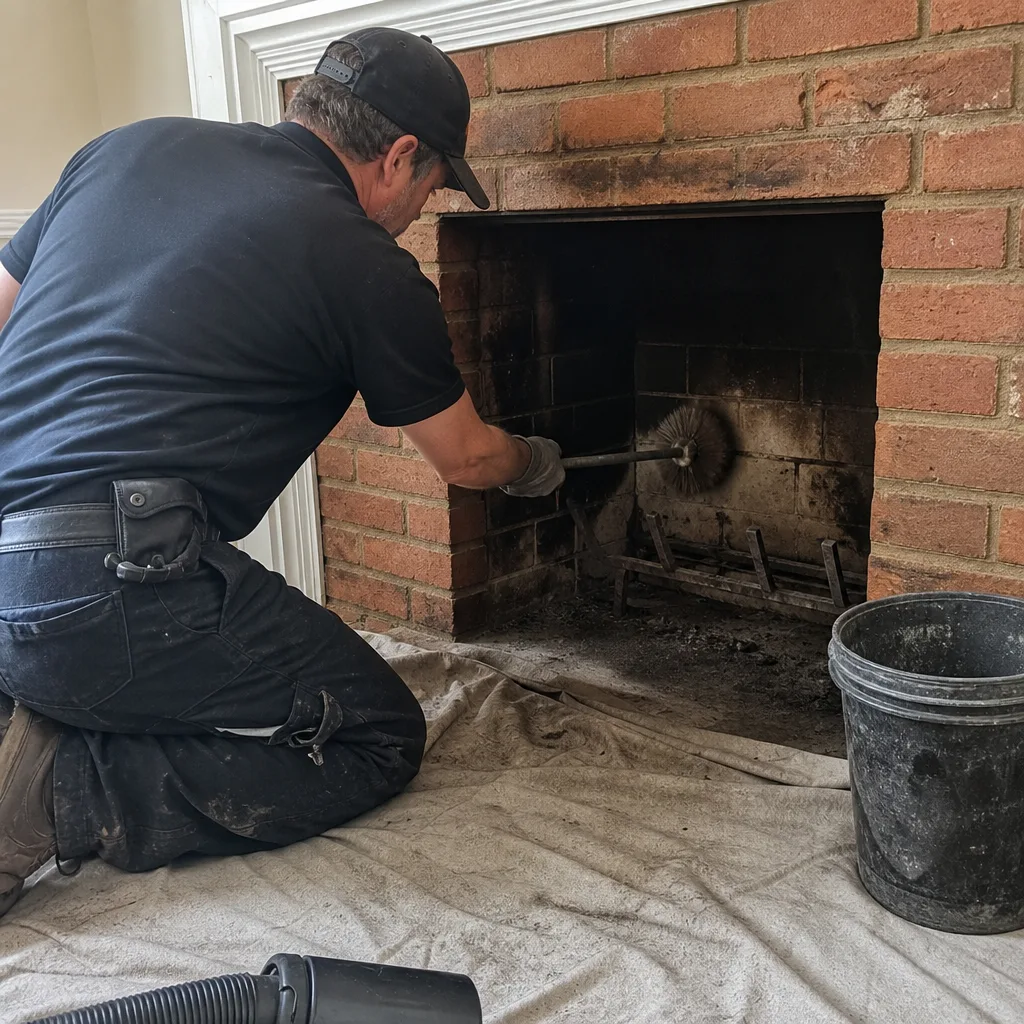
There’s an honest split here, and it’s not where most homeowners think. What you can safely do is observe: check the cleanout for debris, look for exterior staining, note any cold-fireplace smells. Those observations help you know whether to book an inspection. What you cannot safely do is access the flue interior, assess coating bond, apply any patching material, or “recoat” a failed liner from a big-box product. A flue liner is a fire containment system. A failed HeatShield coating means exhaust, creosote, and carbon monoxide can reach the combustible framing of your Fairfax home. This is not caulk-and-paint territory. If the liner has failed, the repair is a professional job, full stop.
Call (571) 443-8256. We’ll put a camera down the flue, show you exactly what’s there, and give you a written price for the fix. If a competitor has quoted you something different, bring us their written estimate and we’ll give you a free second opinion.
How much does a HeatShield flue liner replacement cost in Fairfax, VA?
A complete HeatShield flue liner replacement in Fairfax typically costs between $2,800 and $5,400 installed, depending on flue height, access, and whether the underlying clay tile needs addressing. The majority of single-flue replacements we complete in Fairfax land between $3,200 and $4,400. You’ll have a written price before any work begins, and that price separates parts from labor so you can see exactly what you’re paying for. Call (571) 443-8256 for an exact quote based on a camera inspection, and estimates are always free.
Can a HeatShield liner be repaired instead of fully replaced?
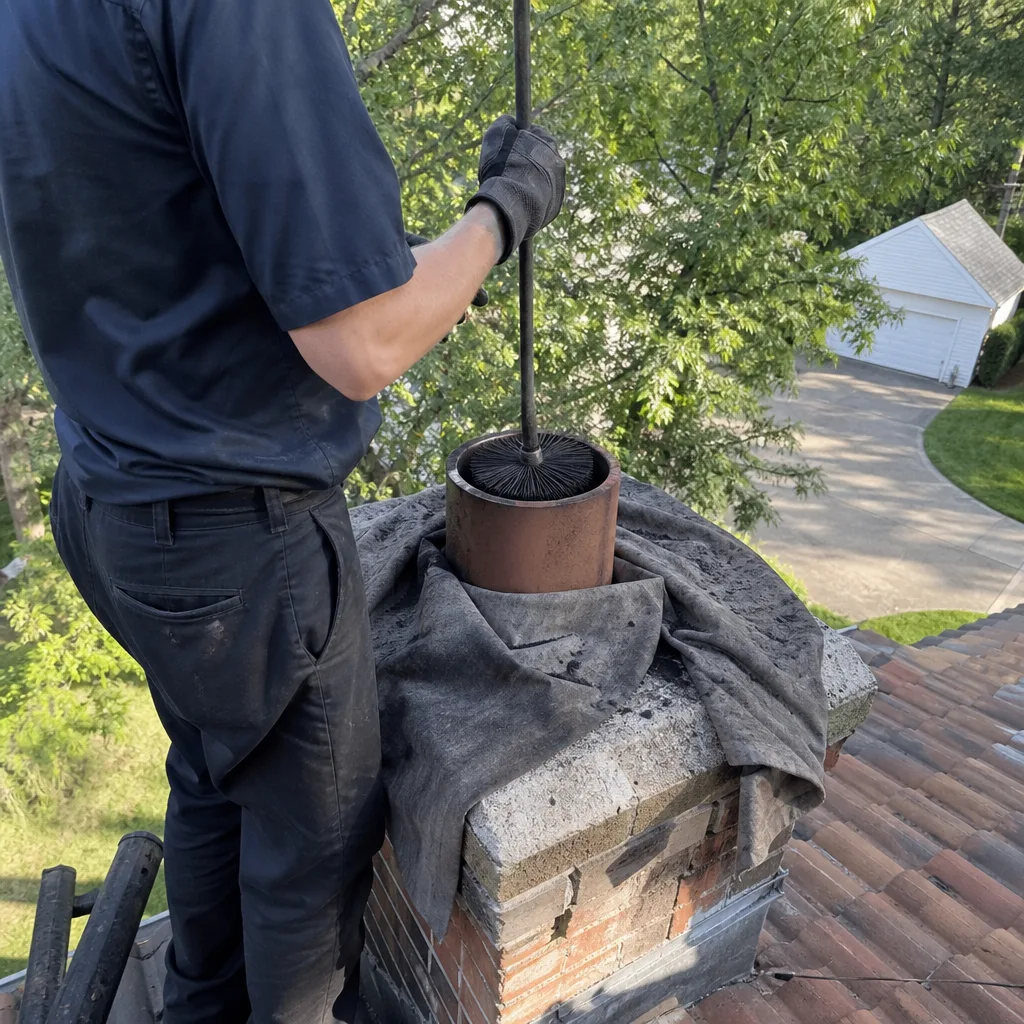
Sometimes, if the failure is a small, isolated section of Cerfractory where the bond is still intact around the damaged area. Foam-based HeatShield systems generally cannot be spot-repaired once delamination starts, because the failure spreads behind the visible surface. The camera tells us which situation you have, and we won’t recommend a full replacement if a targeted repair is safe and will hold. Call (571) 443-8256 to schedule a camera inspection and find out which path applies to your flue.
How long does the HeatShield flue liner replacement take?
A standard single-flue HeatShield reline in Fairfax is a one-day job for the installation itself, with the fireplace usable again after a 24 to 48 hour cure period depending on the material and weather. Full stainless replacements run about the same; teardown and rebuild jobs run longer. We’ll give you a written schedule before we start, and you’ll get a text when our technician is on the way.
Do you stock the HeatShield parts locally, or do I need to order them?
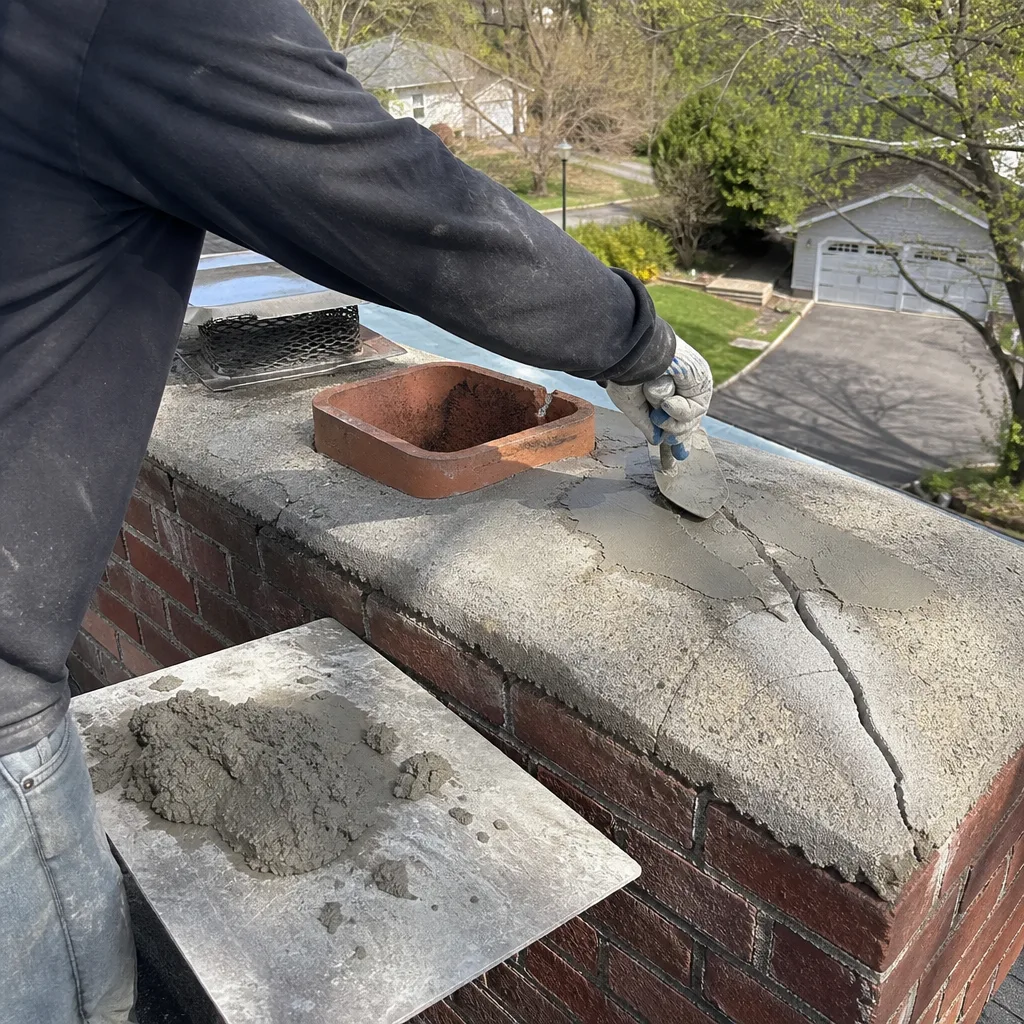
We stock HeatShield-compatible materials and matching components on our trucks, and we carry equivalents from DuraFlex and Gelco for cases where a stainless conversion makes more sense. No waiting on freight, no homeowner-supplied parts. If we quote it, we have it. Call (571) 443-8256 and we’ll confirm what’s on the truck for your specific liner situation.
FAQs
In Fairfax’s climate, a properly installed HeatShield liner typically lasts 15 to 20 years before showing meaningful deterioration, though we’ve seen foam-era systems fail in 10 to 12 years when the original installation was rushed or the flue was never properly cleaned. The freeze-thaw cycling and summer humidity in Northern Virginia stress the coating bond more than drier climates. Annual inspections catch delamination early, which is the difference between a repair and a full replacement.
Combustion gases find the path of least resistance, and a failed liner gives them a path into your wall cavities, your attic, or your living room. Best case, you get smells and staining. Worst case, you’re looking at a chimney fire or carbon monoxide intrusion. The liner is the only thing containing a fire that burns at 1,100 degrees. If the camera shows failure, using the fireplace is a gamble with your house, not a maintenance deferral. Call (571) 443-8256 and we’ll show you the footage and tell you straight whether the fireplace is safe to use.
The camera answers this. We show you the footage, point to the exact sections that have failed, and explain what you’re seeing. If the liner is intact, we’ll tell you it’s intact. If it needs work, the photos are yours to keep and share with any other company you want. We’ve built our whole practice on the fact that documentation beats persuasion, and we’ll never recommend a liner replacement without visual evidence you’ve seen yourself. The quote comes in writing, and it does not change.
Because the name is the inspection standard. We’ve been running camera-scan documentation on every single job since 2009, which became the basis for Clause 4 of the Haven Standard, and we’ve completed over 38,000 inspections and cleanings since. Every job gets a written price before work starts, a documented photo record when it’s done, and the 365-Day Done Right Promise behind it. Corrine Halstead leads our crew, and she grew up in Queens learning the trade at Apex Technical School before moving her work into Northern Virginia, where she and the team have serviced chimneys across Fairfax, including the older colonials near the Government Center corridor where flue deterioration runs a generation ahead of the inspection schedule. The camera tells you what the chimney is; the written quote tells you what the fix costs. Everything else is just conversation.
Written by Corrine Halstead, Owner, Level Two Chimney Fairfax at Level Two Chimney Fairfax, serving Fairfax and nearby areas.