
Last updated September 20, 2026
Level 1 sweep and inspection to the NFPA 211 annual standard - flue, crown, cap, and flashing checked and photographed
Chimney sweep logs do not sweep chimneys. They loosen some creosote - which then falls where a brush and vacuum still have to collect it.
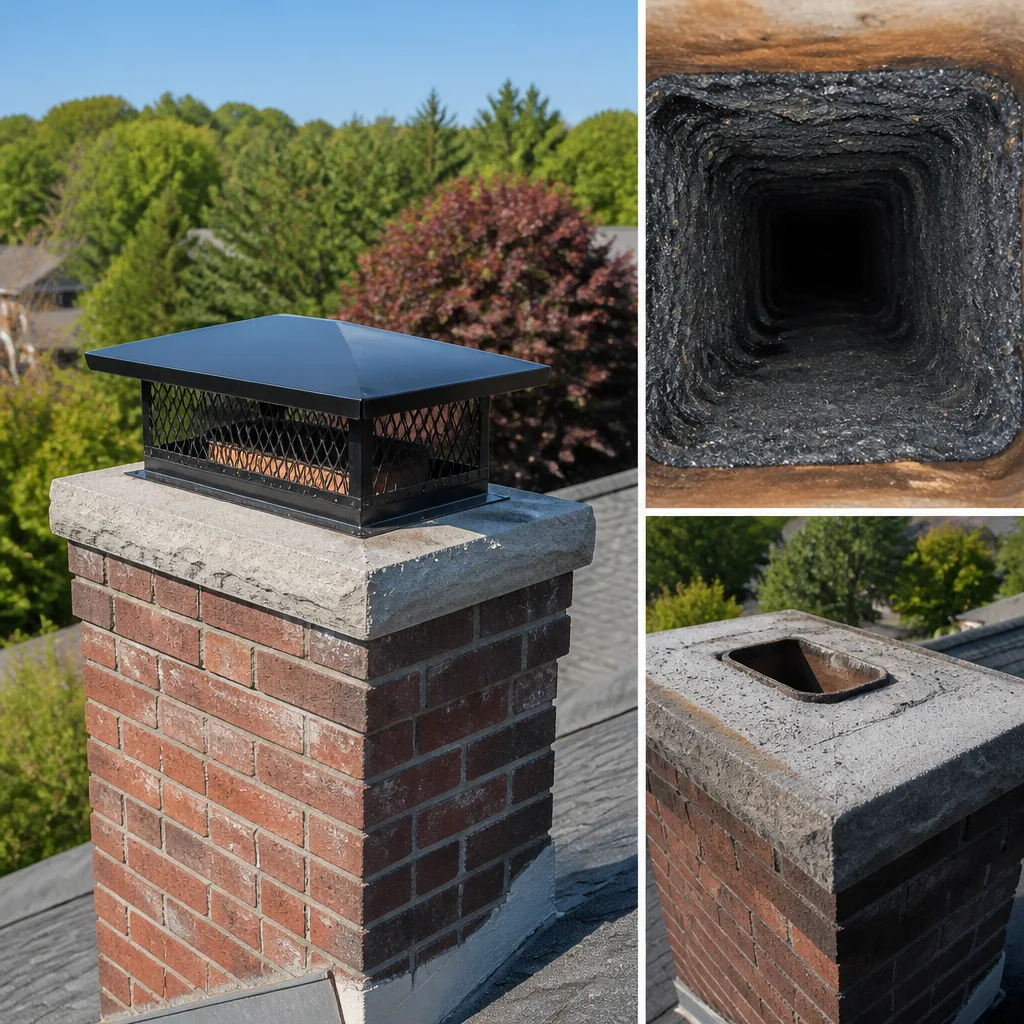
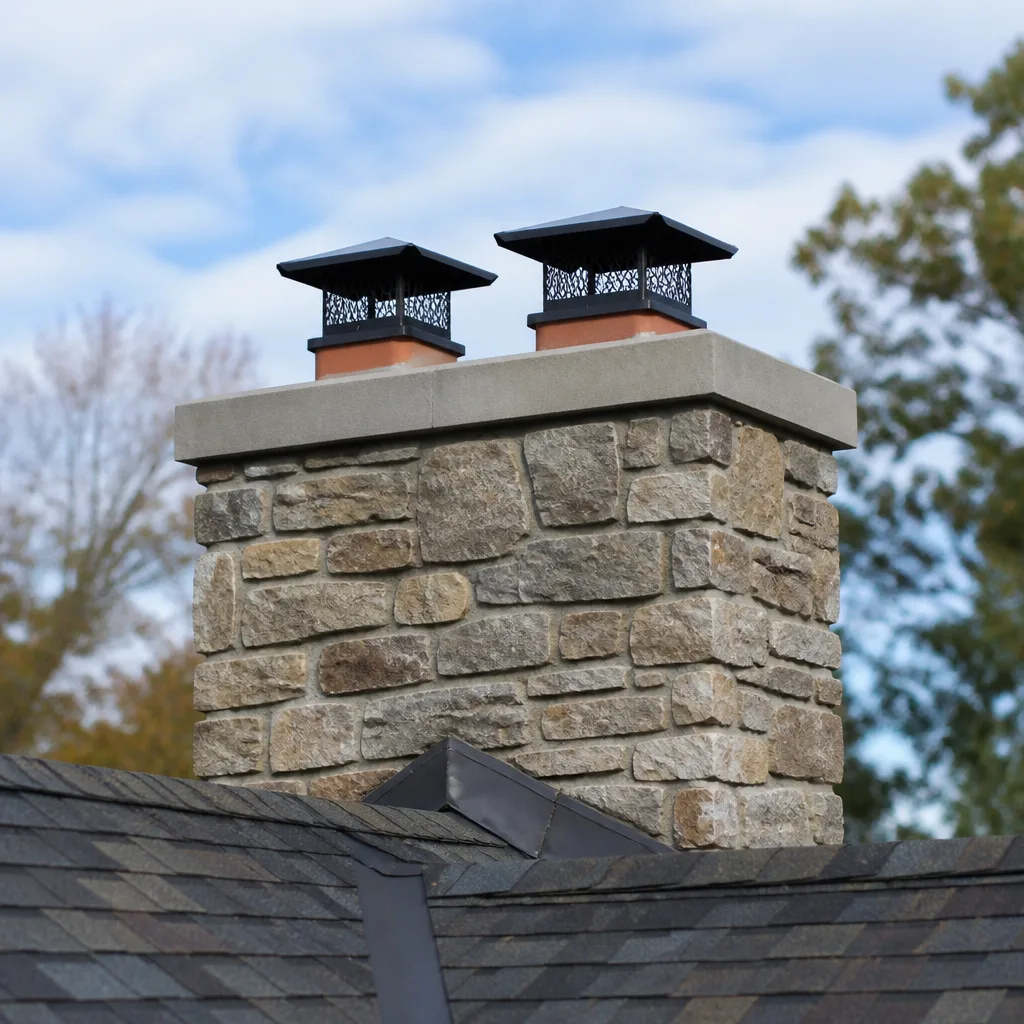
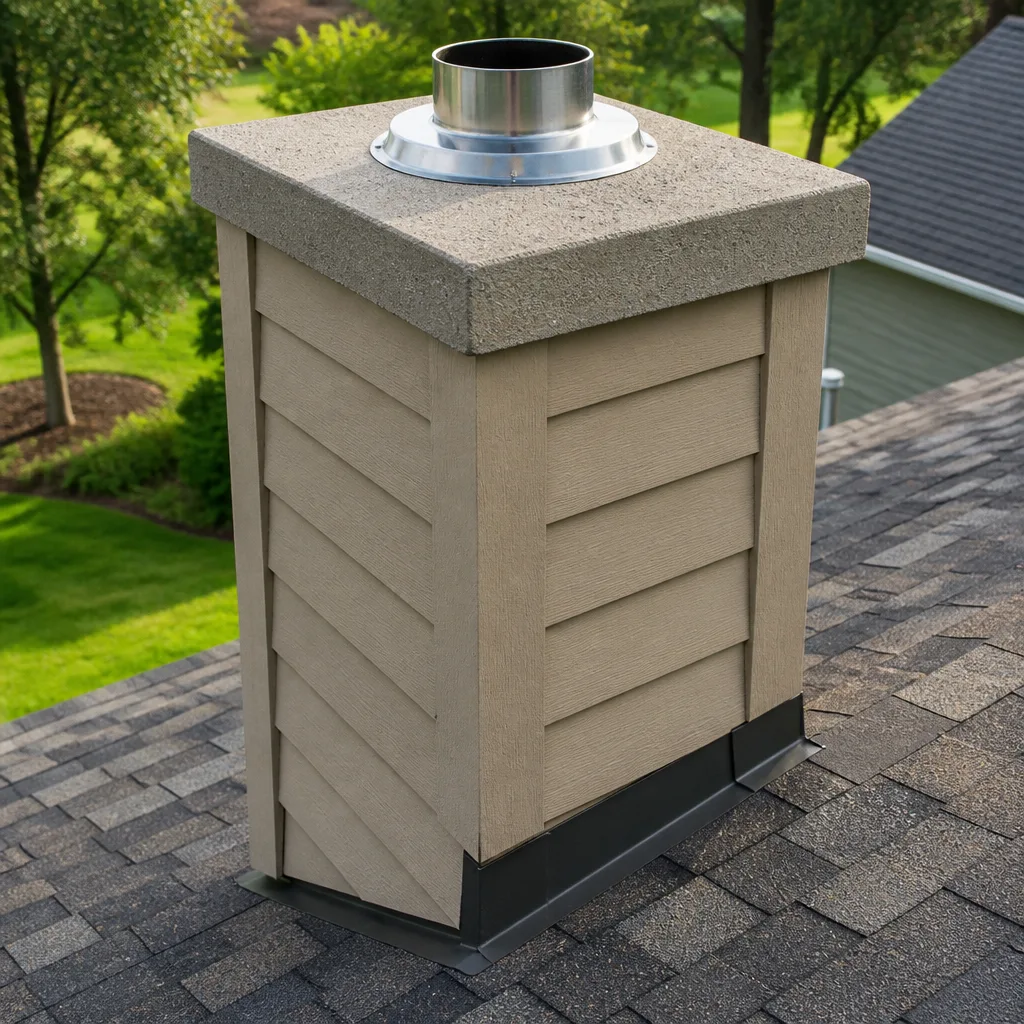
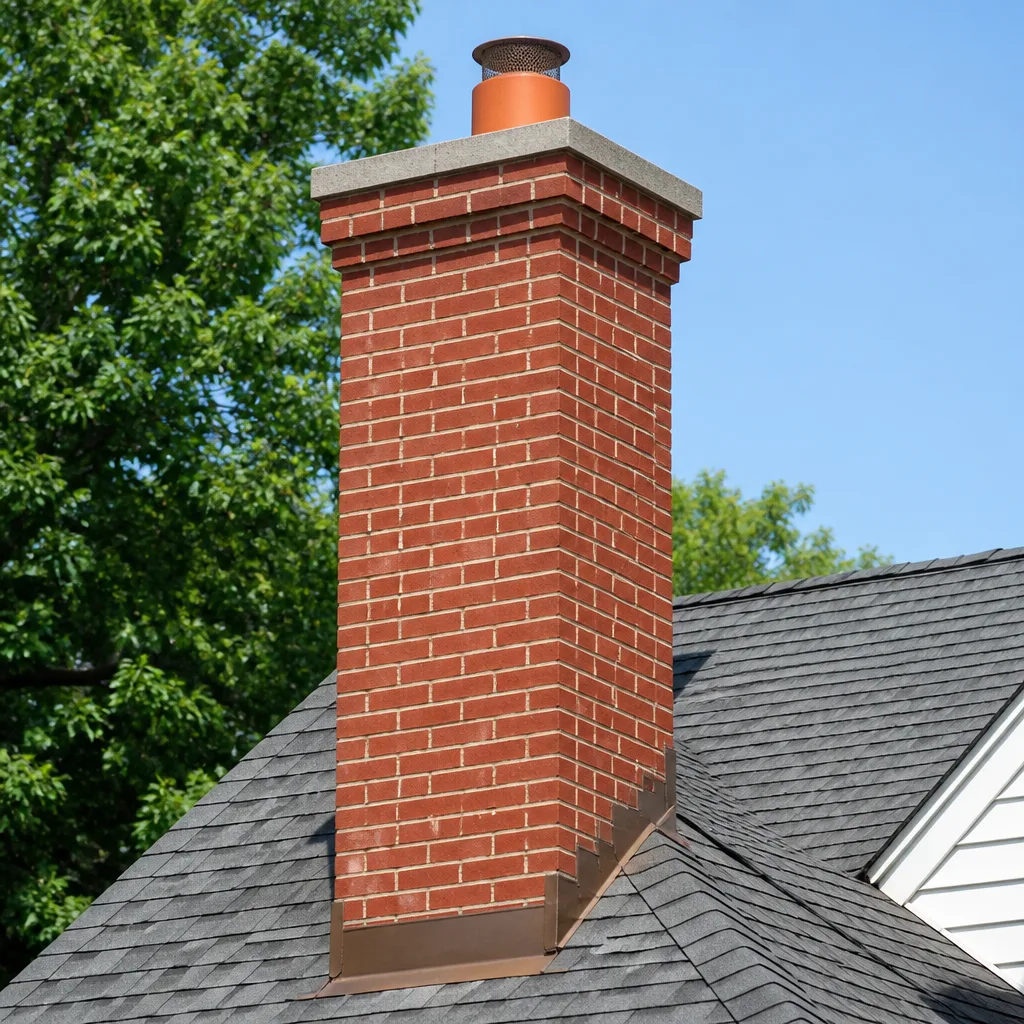
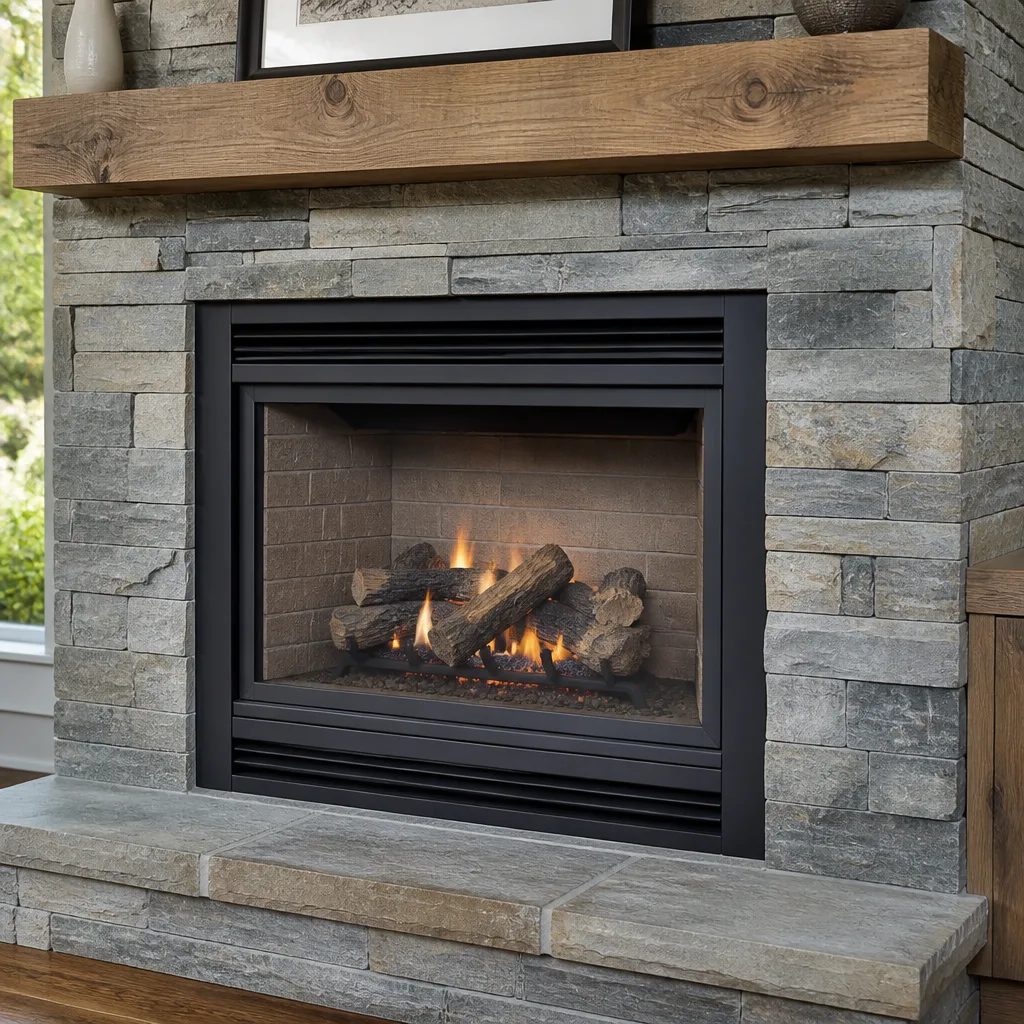
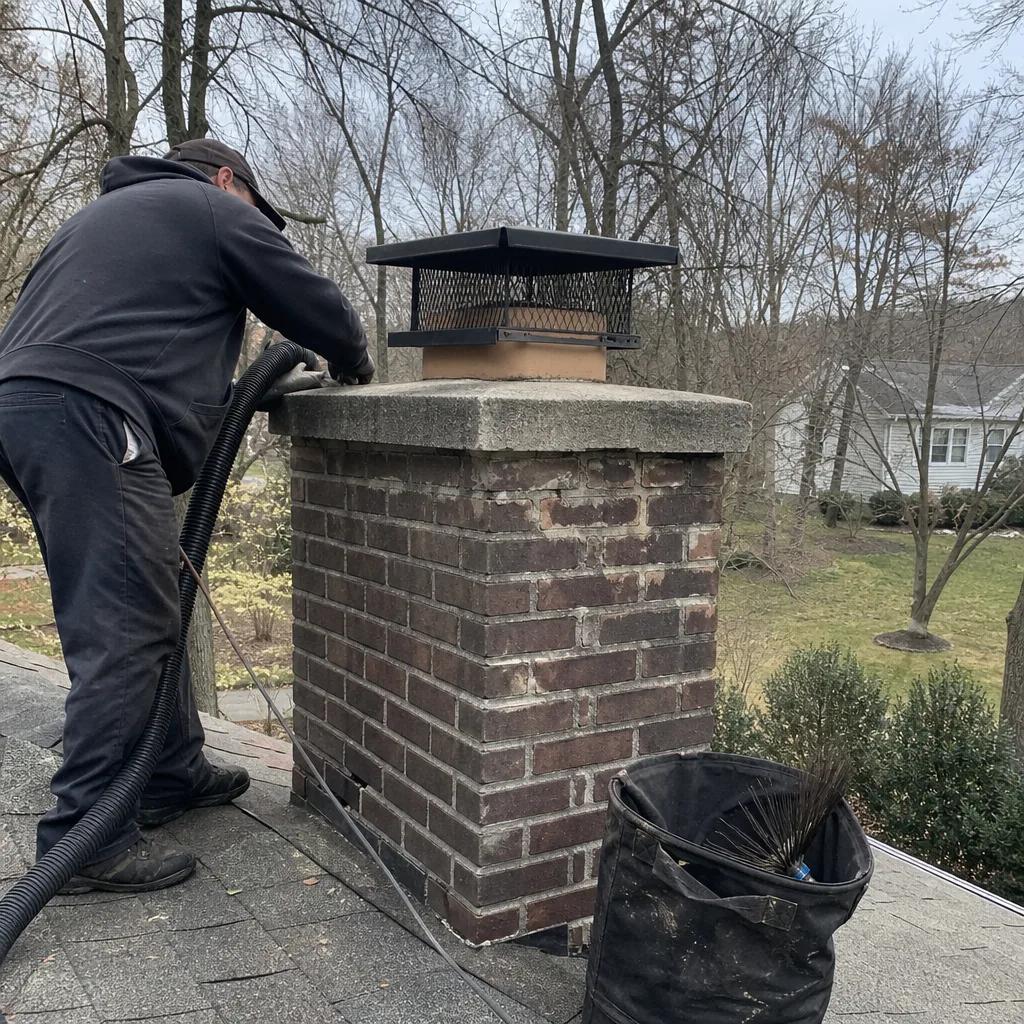 Before
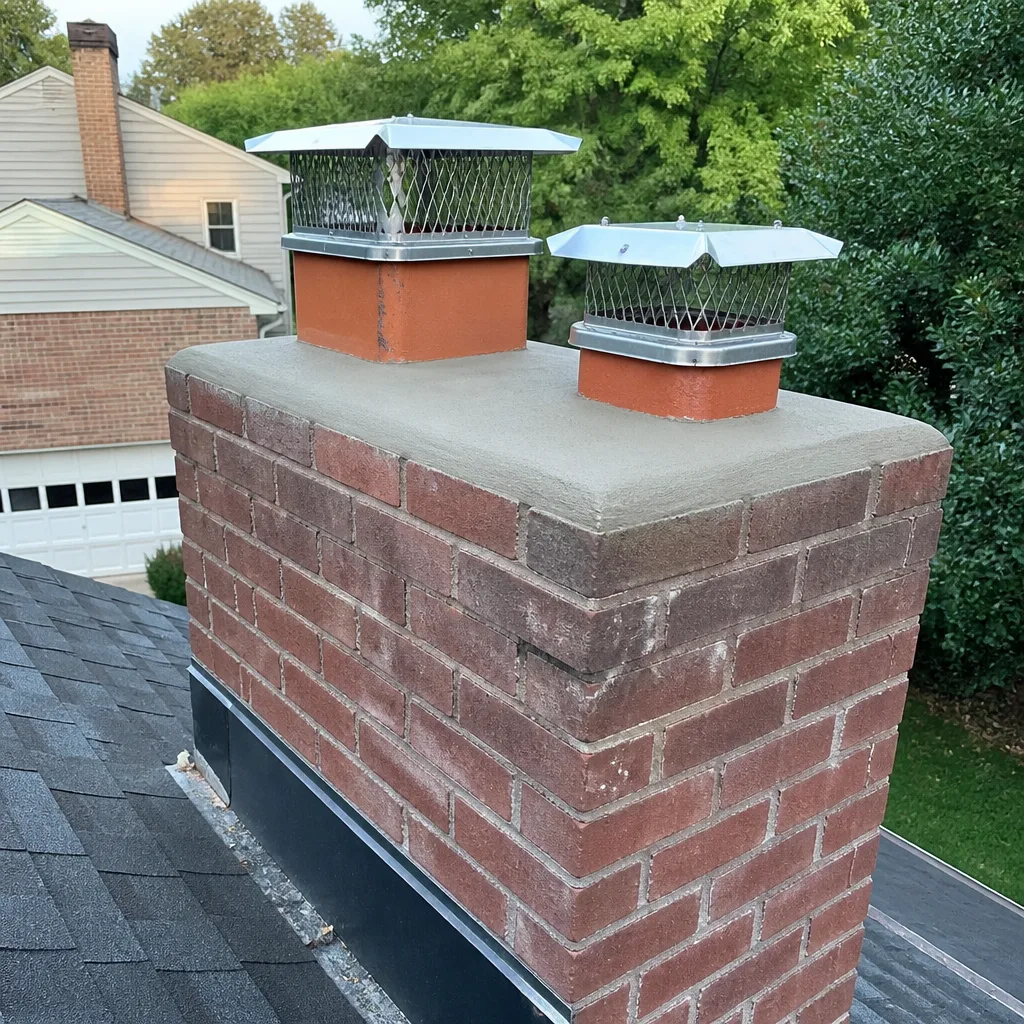 After
After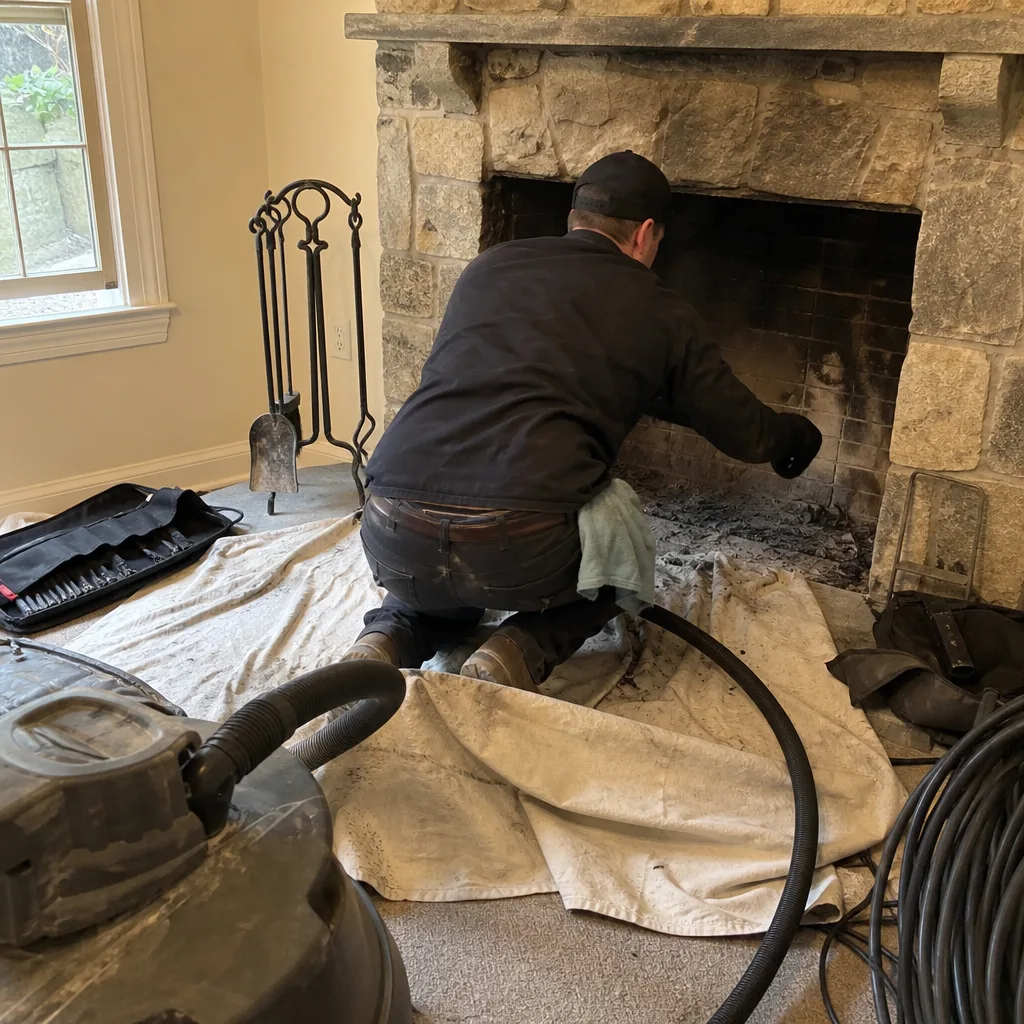 Before
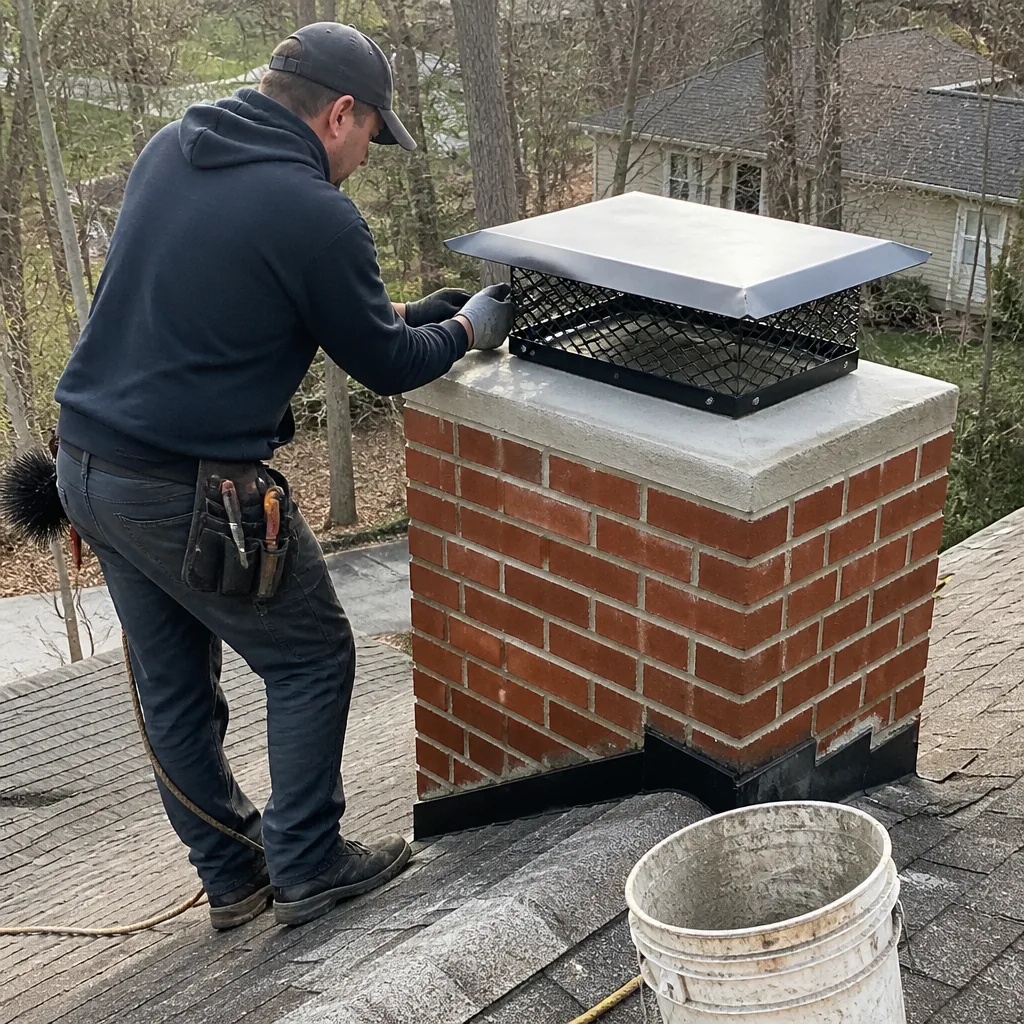 After
After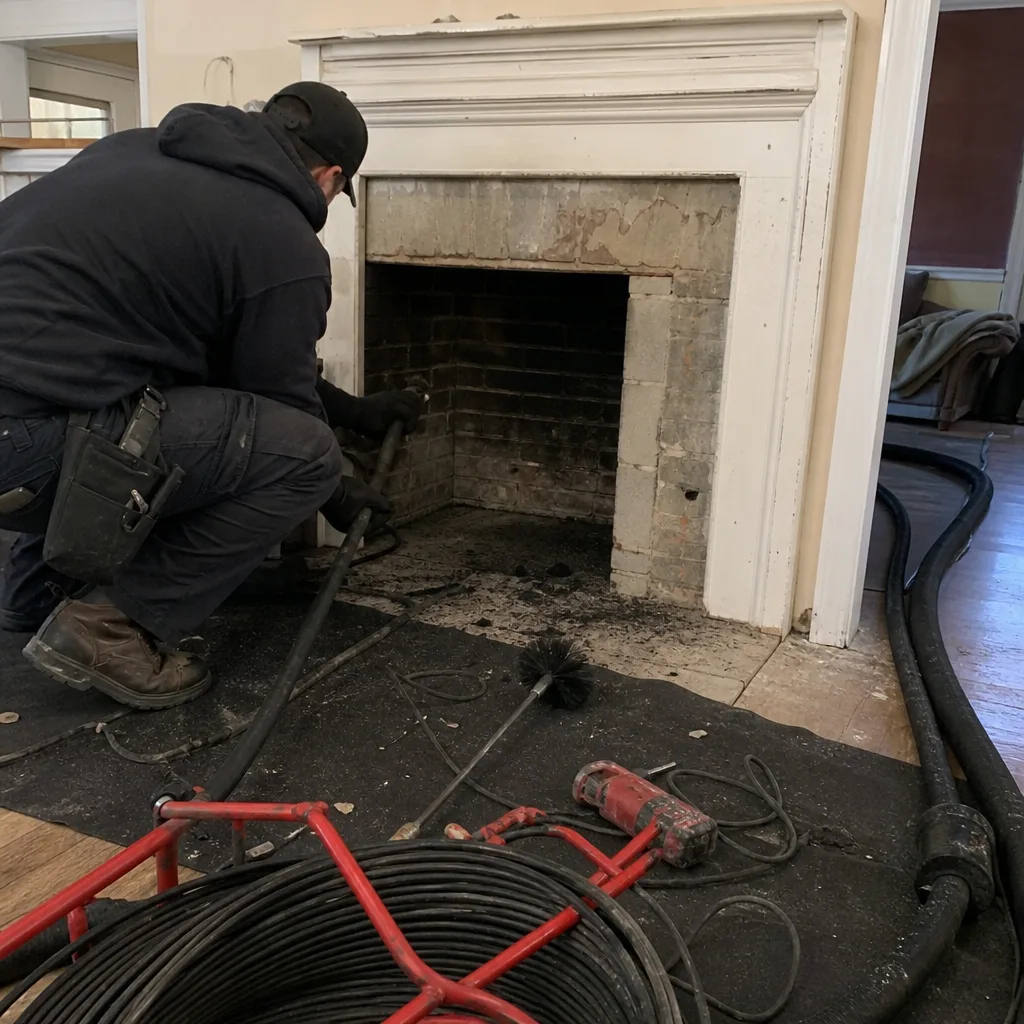 Before
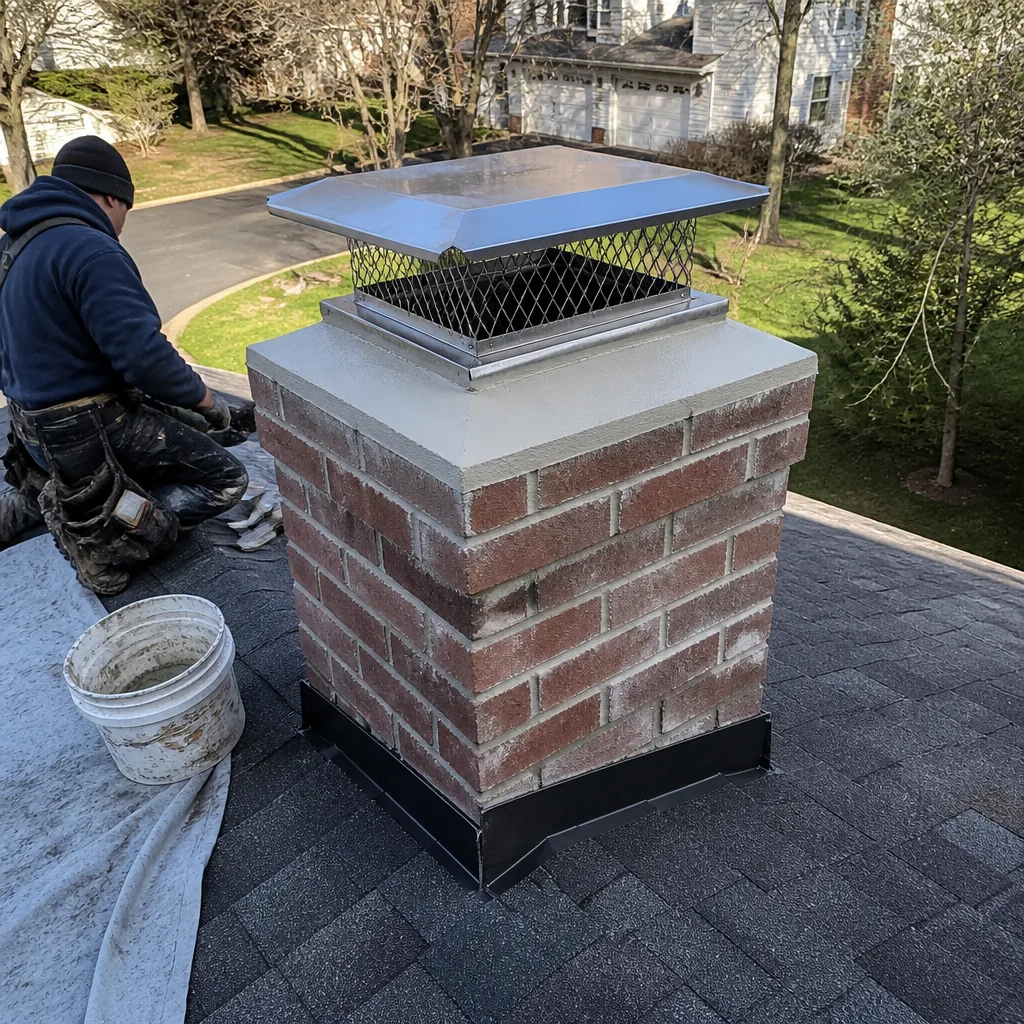 After
AfterChimney Cleaning Warning Signs: A Fairfax Homeowner’s Reference Guide
Most chimney guides treat every warning sign as an emergency. That’s not how chimneys actually work. A hairline crack in the chimney crown can wait until spring; smoke backing into your living room on a windy day might be a five-minute damper adjustment. The skill is knowing the difference, and most Fairfax homeowners never get a straight answer on which column a symptom falls into. This guide sorts every common warning sign into two columns: stop using the fireplace today, or schedule repair within 30 days. For a deeper dive into maintenance schedules, see our Complete Guide to Chimney Cleaning in Fairfax. We’ll explain the structural reason for each, what it costs in Fairfax’s market, and which signs you can verify yourself before anyone steps foot in your house.
Quick Answer
The warning signs that require you to stop using your fireplace immediately are smoke entering the living space, a sulfur or burning-plastic odor during use, visible flames in the chimney flue, or spalling brick with loose material on the roof. Warning signs that go on a 30-day repair schedule include efflorescence, cold smoke odors when the fireplace is not in use, rust streaking on the damper, and minor crown cracking. If you’re unsure which column a symptom falls into, a camera inspection through the flue will settle it in about forty minutes.
Table of Contents
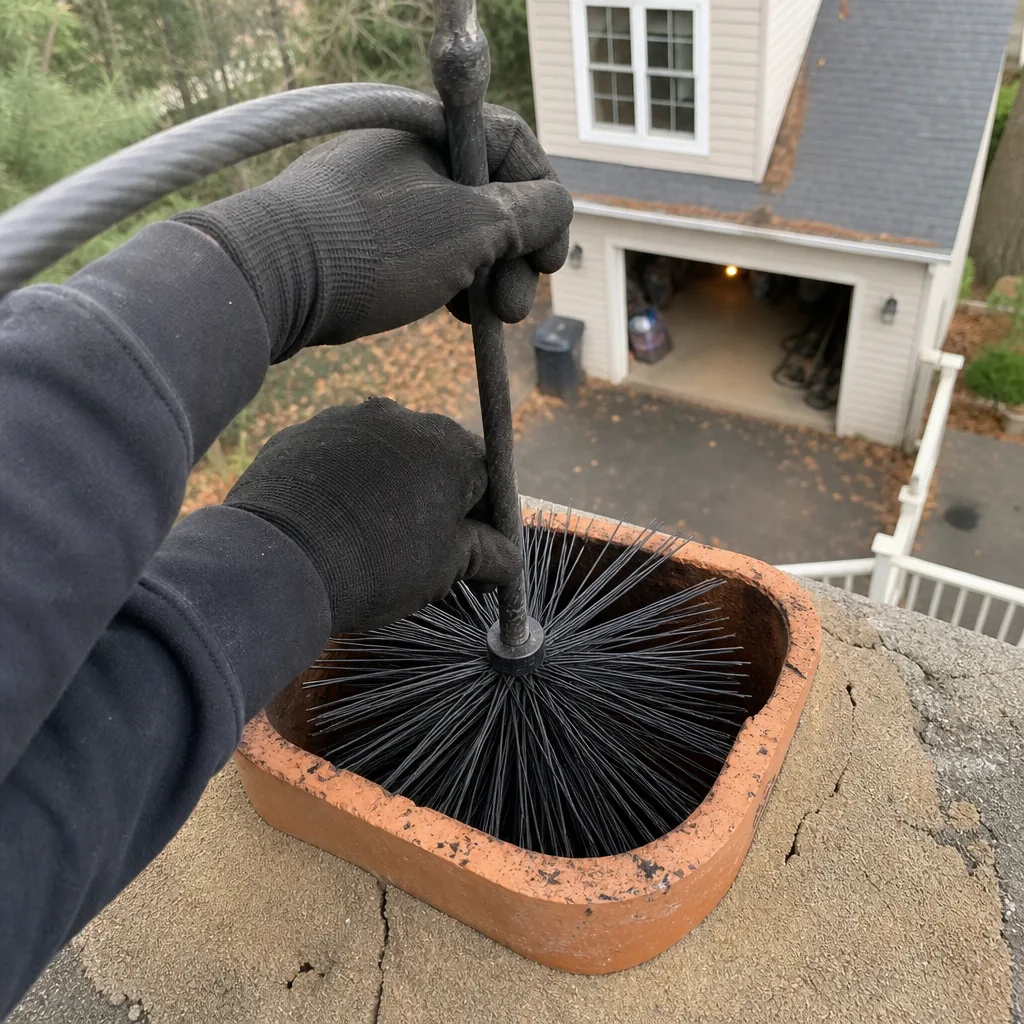
- Stop-Use-Now Signs vs. 30-Day Schedule Signs: The Full Reference Table
- What Smoke Odor Types Actually Indicate in Fairfax Homes
- Exterior Warning Signs Most Homeowners Read Incorrectly
- What a “Working” Damper with Rust Streaking Is Telling You
- The Warning Sign a Camera Finds Before You See Anything
- What These Repairs Cost in Fairfax: Real Price Ranges
- What You Can Safely Check Yourself (and How)
- Common Mistakes to Avoid
- When to Call a Professional
- Frequently Asked Questions
- The Bottom Line
BeforeAfterStop-Use-Now Signs vs. 30-Day Schedule Signs: The Full Reference Table
Here’s the reference table every Fairfax homeowner should have. The dividing line is simple: a stop-use-now sign means the fire you light tonight can escape the flue system or poison the air you’re breathing. A 30-day sign means the chimney is degrading, but the fire stays inside the system, and the repair can be scheduled without urgency. We’ve ordered each column by severity, most dangerous first.
Stop Using the Fireplace Today
- Smoke entering the living space during a fire. This means the draft has reversed or the flue is blocked. The carbon monoxide that rides along with smoke is odorless, and you won’t know you’re breathing it until symptoms start. This is the one sign on this list where the mechanism of injury is invisible, which is what makes it the most dangerous.
- A sulfur or rotten-egg smell during or immediately after a fire. This is combustion gas being pulled back into the house instead of up the flue. Sulfur dioxide is a respiratory irritant, and the smell means the chimney is not venting. This correlates strongly with a damaged or missing flue liner, or a flue that was never sized correctly for the fireplace opening.
- Visible flames inside the chimney flue, or a roaring noise inside the chimney during a fire. This is a chimney fire in progress. Fairfax’s combination of oak-heavy firewood use and large 1970s-era masonry chimneys makes this a known local pattern: a creosote deposit in the smoke chamber ignites, and the fire runs up through the flue. Close the damper, close the glass doors if you have them, call the fire department, and do not reopen the fireplace until a sweep has camera-inspected the full flue run.
- Smoke pushing out from the chimney exterior joints or through the brick face itself. This is evidence of a breached flue liner, not a draft problem. Smoke is finding a path through cracks in the liner and escaping through the masonry. The fire is essentially using your chimney structure as the flue, and the heat load on the framing around the chimney chase is not something you want to test.
Schedule Repair Within 30 Days
- Efflorescence on the chimney exterior. White chalky deposits are not mold and not salt from the air. They are minerals leached from the mortar, carried by water that is moving through the masonry. It means water is entering somewhere above the deposit. It is not an emergency, but it is a diagnostic clue the problem has been active for at least a season.
- Cold smoke smell when the fireplace has not been used for days. This is creosote buildup absorbing humidity from the air. It’s the chimney’s version of a damp ashtray. A sweep will fix it, but it also means the creosote layer is thick enough to hold moisture, which means it is thick enough to fuel a chimney fire under the right conditions.
- Rust streaking on the damper plate or firebox doors. This points to water coming down the flue. The damper is the lowest point in the system, so it catches water before anything else. If the rust is present but the damper still opens and closes fully, you have a liner or crown problem that’s early enough to fix before it becomes a liner replacement.
- Flaking brick faces on the chimney exterior, but no loose material on the roof. This is spalling. It means water has penetrated the brick and the freeze-thaw cycles of a Fairfax winter are popping the brick faces off. It is structural over the long term and gets worse every winter. It is not a fire hazard today.
- Animals or nesting material visible at the top of the chimney. An uncapped flue in Fairfax is a standing invitation to chimney swifts, squirrels, and raccoons. The blockage risk is real, but the animal itself is a warning sign of a missing or failed chimney cap, which is a simple fix. The nest needs removal before you build a fire.
Why the Distinction Matters
The reason this table is the core of this guide is that treating a 30-day sign as an emergency costs you money you didn’t need to spend, and treating a stop-use-now sign as a 30-day problem costs more than money. It costs you the one thing you’re trying to protect by owning a fireplace: a warm room that’s safe to sit in. Most Fairfax chimney companies won’t sort this table for you, because it isn’t in their financial interest to tell a homeowner with a cosmetic crack that nothing needs doing this year. We’ve built our whole inspection process around being able to show you which column your chimney falls into, with photos of the specific defect doing the convincing. Our Chimney Cleaning & Sweep in Fairfax process exists to give you this exact classification, not to upsell you into work that can wait.
What Smoke Odor Types Actually Indicate in Fairfax Homes
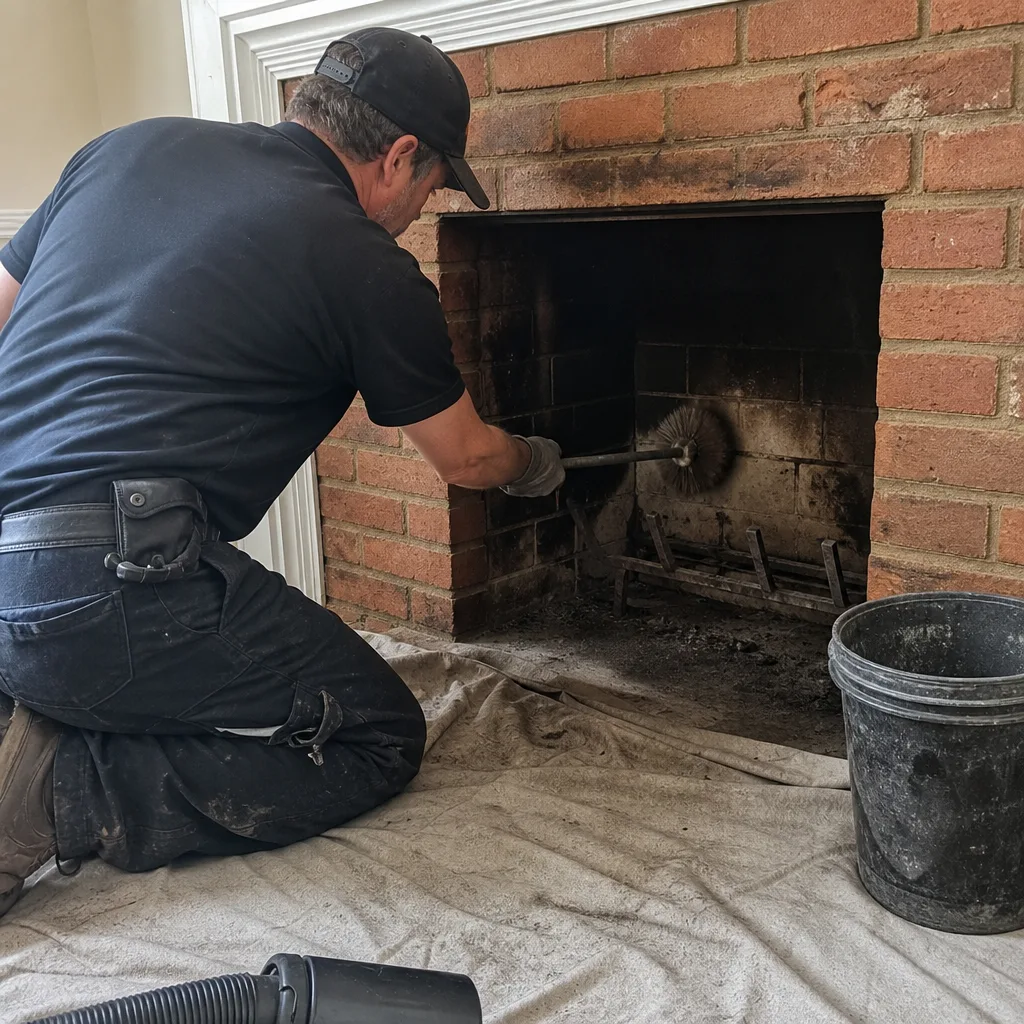
Not all chimney smells mean the same thing. The type of odor, when it appears, and what it pairs with will tell you more than any checklist. Here’s what each odor profile maps to in our experience, and what we’ve found when we camera-scan chimneys with each smell profile in Fairfax homes.
The Cold Smoke Smell (No Fire, Fireplace Unused for Days or Weeks)
This is the most common odor complaint we hear from homeowners in neighborhoods like Mosby Woods, Old Lee Hills, and Country Club Hills. The smell is strongest on humid days and in the shoulder seasons, especially May through June and September through October in Fairfax. The cause is creosote. Creosote is hygroscopic, meaning it pulls moisture from the air. When humidity rises, the creosote layer absorbs water and releases the smoke compounds it has been holding since your last fire. The fix is a sweep. It is not a liner problem. It is not a draft problem. It is a maintenance interval problem. If you’re smelling this, the creosote layer is usually between Class II and Class III, meaning it is thick enough to be a fire hazard if it ignites, and it needs removal before the next burn season.
The Sulfur or Rotten-Egg Smell During or Right After a Fire
This is the warning sign from the stop-use-now table, and it deserves its own explanation because it is the one smell homeowners often brush off as “the wood was wet” or “the chimney needs a minute to warm up.” Wet wood produces smoke, not sulfur. Sulfur compounds come from combustion byproducts that are not being carried out of the home. In our camera inspections on homes with this complaint, the write-up almost always finds one of three things: a cracked or collapsed flue liner, a flue that is oversized for the fireplace (causing the draft to stall), or a partially blocked flue from a nest or collapsed mortar joint. In the older Fairfax neighborhoods, especially the 1960s split-levels and ramblers off Route 29, we frequently see clay tile liners with multiple vertical cracks - the original liner has simply outlived its service life.
The Burning Plastic or Chemical Smell During a Fire
This smell has two common causes, neither of which has anything to do with the chimney itself in most cases. The first is a foreign object in the firebox or flue - a child’s toy, a plastic bag, or construction debris that fell in from the top. The second is paint or stain off-gassing from nearby walls or mantel work when the room reaches a temperature it hasn’t hit before. But there is a third cause we see in Fairfax specifically: a prefabricated metal chimney where the manufacturer required a zero-clearance installation, and a previous homeowner added insulation, drywall, or decorative stone that now touches the metal flue. The heat transfer ignites or melts material that was never supposed to touch the flue. If you smell plastic during a fire and you cannot identify a foreign object in the firebox, stop using it and have the flue camera-inspected before the next burn.
The Damp, Organic Smell Year-Round
This is the smell of water and biology, not fire. It is leaf litter, animal droppings, and decayed nesting material sitting in the flue or smoke chamber, held in place by moisture. It is most common on uncapped chimneys or chimneys with damaged caps. In Fairfax, this smell has a seasonal signature: it peaks in late summer after chimney swifts have fledged, leaving behind a season’s worth of droppings and feathers in a flue that has no cap. It may also indicate a dead animal in the flue. The fix is a sweep plus a new cap, and the camera inspection we run before the sweep will show you exactly what is in there and exactly how much of it exists.
Exterior Warning Signs Most Homeowners Read Incorrectly
Homeowners read the exterior of a chimney the way people read a face: they look for the big obvious thing and miss the small consistent thing that actually tells the story. Here are the three exterior signs that get misread most often in Fairfax, and what a trained eye actually reads from them.
Efflorescence: The Chalky White Stuff Is Not Mold
Efflorescence is the crystallization of salts on the brick surface, carried there by water moving through the masonry and then evaporating at the face. The key diagnostic fact is location. Efflorescence in a horizontal band across the middle of a chimney usually means water is entering at the crown or the top course of bricks and working its way down. Efflorescence in a vertical stripe down one corner usually means water is running down that specific path, which is often a failed mortar joint at the top or a missing cricket where the chimney meets the roof line. Efflorescence covering the entire chimney face means the masonry is absorbing water from all directions, which is typically a combination of a failed crown, missing water repellent, and a chimney in a location that gets heavy rain exposure. Efflorescence itself is not structural damage, but it is the best free diagnostic map you’ll ever get of where your chimney’s water problem starts.
Spalling: The Brick Surface Flaking Off Is a Freeze-Thaw Clock
When brick spalls, water has entered the brick body, and the water has frozen. In Fairfax, where winter temperatures cross the freezing threshold forty to fifty times per season, spalling accelerates quickly once it begins. The mechanism is this: water enters the brick’s pores, freezes, expands by about nine percent, and cracks the brick’s surface. The first cycle starts the crack; every subsequent cycle widens it until the face pops off. Spalling concentrated at the top three feet of the chimney usually indicates a crown failure. Spalling across the lower chimney body usually means the masonry has been saturated from the interior, which points to a liner problem. Spalling that follows vertical lines down the chimney usually indicates water running inside the flue and escaping through a cracked liner into the surrounding brick. Each pattern tells a different story, and the repair cost ranges from a few hundred dollars for a localized tuckpoint up to several thousand for a partial rebuild.
Staining Patterns: Dark Streaks Are Not Always Creosote
Homeowners assume dark staining means creosote leaking through the brick. That is instinct, not diagnosis. Dark exterior staining in Fairfax has three causes we see in roughly equal distribution. The first is creosote, which appears as a black, glossy, sticky streak, usually near the mortar joints or below a crack, and usually accompanied by a smoke smell. The second is organic staining: algae, moss, or tannin from tree canopies, which appears as green, brown, or black matte stains and is worst on the north and east faces of the chimney, where sun exposure is lowest. The third is soot from an exterior fire source: a neighbor’s wood stove, a grill, or even vehicle exhaust staining masonry that faces a busy road. None of these needs a chimney repair except the first. The way to tell them apart without getting on a ladder is a camera inspection from inside the flue, which we run as standard on every visit as part of our Chimney Cleaning & Sweep in Fairfax service.
What a “Working” Damper with Rust Streaking Is Telling You
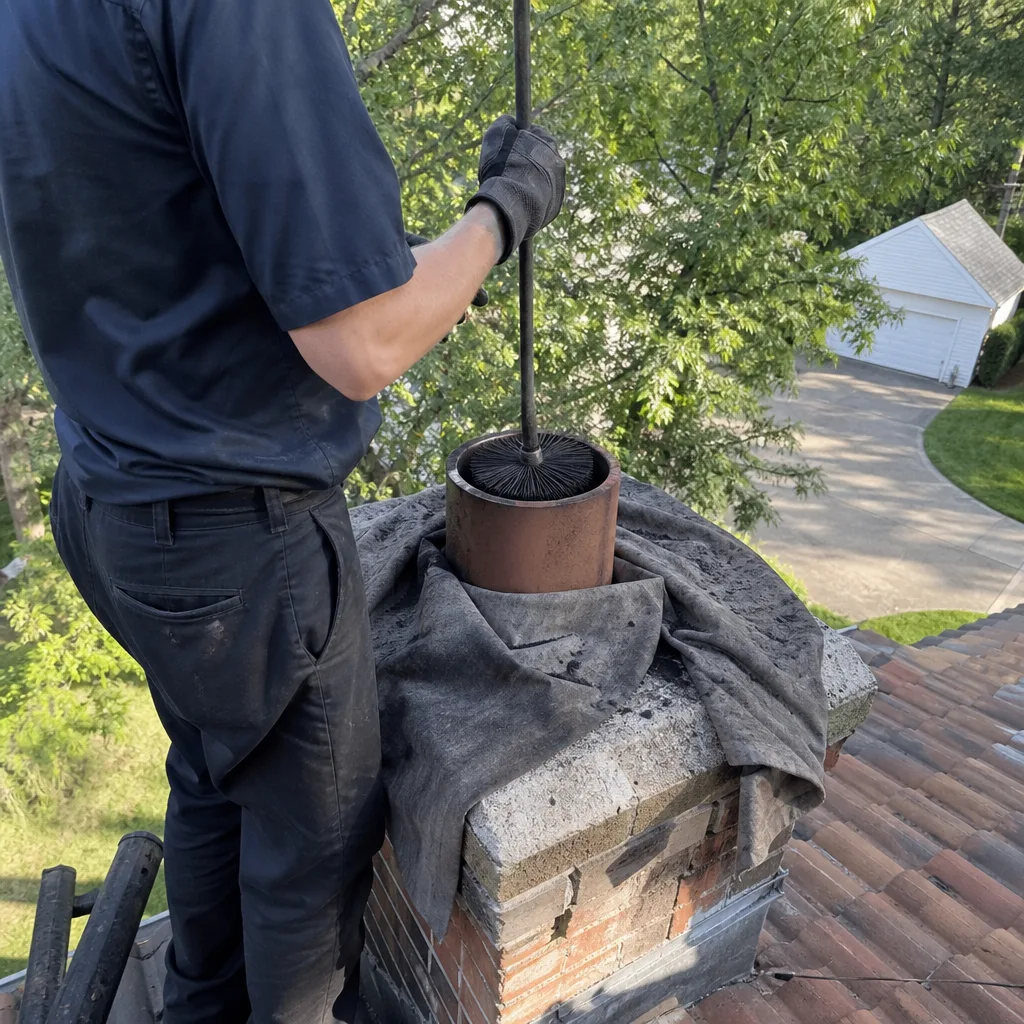
A homeowner will typically assess a damper as “working fine” if it opens and closes, which is the equivalent of checking a car’s oil by confirming the dipstick exists. The damper is the lowest physical point inside the chimney system, which makes it the collection point for anything that travels down the flue: water, creosote flakes, and debris. Rust streaking on a damper that still operates correctly is the earliest visible indicator of water intrusion from above, and its specific pattern will tell you which part of the system is failing.
Reading the Rust Pattern
Rust concentrated on the top face of the damper plate, with clean metal underneath, means water is coming straight down the flue. The water is entering at the top of the chimney, passing through the cap or crown, and falling directly onto the damper. In most Fairfax homes we inspect, this points to a failed or missing chimney cap. A chimney cap with damaged screening or rusted fasteners will let rain in while still looking structurally present from the ground. The fix is often under $400, installed.
Rust concentrated in a line along the damper hinge or sides, with streaking down into the firebox, usually indicates water is running down the inside of the flue walls and collecting at the point where the damper frame meets the masonry. This points to a liner problem, not a cap problem. The water is entering through cracks in the clay tile or gaps in the mortar joints between sections, running down the flue interior, and hitting the damper frame. This is the pattern that correlates with a cracked liner on camera scan in a majority of cases. The damper itself is not the problem; it’s just the canary.
Rust on the underside of the damper plate and on the damper rod handle, combined with rodent droppings in the ash pile, usually means the chimney has a cap problem on the top and a water problem in the middle. This is a chimney that has been open to the elements for a while. The air moving through an uncapped flue is moving in both directions, and on humid Fairfax summer days, it carries moisture down to the damper from the inside. The same pattern appears when an animal nest has been sitting in the flue, holding moisture against the metal.
What the Damper Cannot Tell You
A rust-free damper is not a clean bill of health. If the water has been entering through cracks in the liner at the mid-flue point, it will run down the outside of the liner before it ever reaches the damper, and it will show up as efflorescence or spalling on the exterior instead. A damper inspection is a free clue, not a diagnosis. The diagnosis is what the camera sees. If you want the full picture, we’ll show it to you as part of any Chimney Repair in Fairfax visit, before any work is quoted.
The Warning Sign a Camera Finds Before You See Anything
There is one finding we make on camera scans that has no visible symptom from the homeowner’s side of the fireplace. No smoke smell, no rust, no staining, no spalling. The fireplace works, the draft is fine, and the chimney looks fine from the street. The camera finds a crack in the flue liner that is large enough to allow heat and combustion gases into the chimney cavity, but positioned so that the gases still exit through the flue top. The liner is breached, but the breach is not yet blocking the draft.
This is the finding that separates a $400 repair from a $4,000 reline. A cracked flue liner caught early, while it’s a single vertical crack in one tile section, can often be repaired with a resurfacing product like HeatShield or a stainless liner panel, depending on the chimney’s geometry and the liner’s overall condition. The same crack left unaddressed for one or two more burn seasons will grow. The heat cycles will open the crack, water will enter through it, and the freeze-thaw cycle will start working on the surrounding masonry from the inside. At that point, the tile sections begin to shift, the smoke chamber fills with debris, and the repair is a full stainless reline with a chimney repair quote that reflects the scope.
In Fairfax, we see this pattern most often in homes built between 1965 and 1985, the era when clay tile liners were the standard and installation quality varied widely by builder. The liners in these homes are now forty to sixty years old, which is the design life for clay tile under regular use. A camera inspection is the only way to see a crack before the visible symptoms appear. The inspection costs less than a tenth of the reline, and it gives you a photo record of what’s actually in there, not an opinion. Since 2009, every single one of our visits has included this camera scan and a documented photo record, which is why we’ve built our entire process around the principle that evidence comes before price. That’s what we mean by Clause 4 of the Haven Standard: every job gets a documented photo record, no exceptions, no additional charge.
What These Repairs Cost in Fairfax: Real Price Ranges
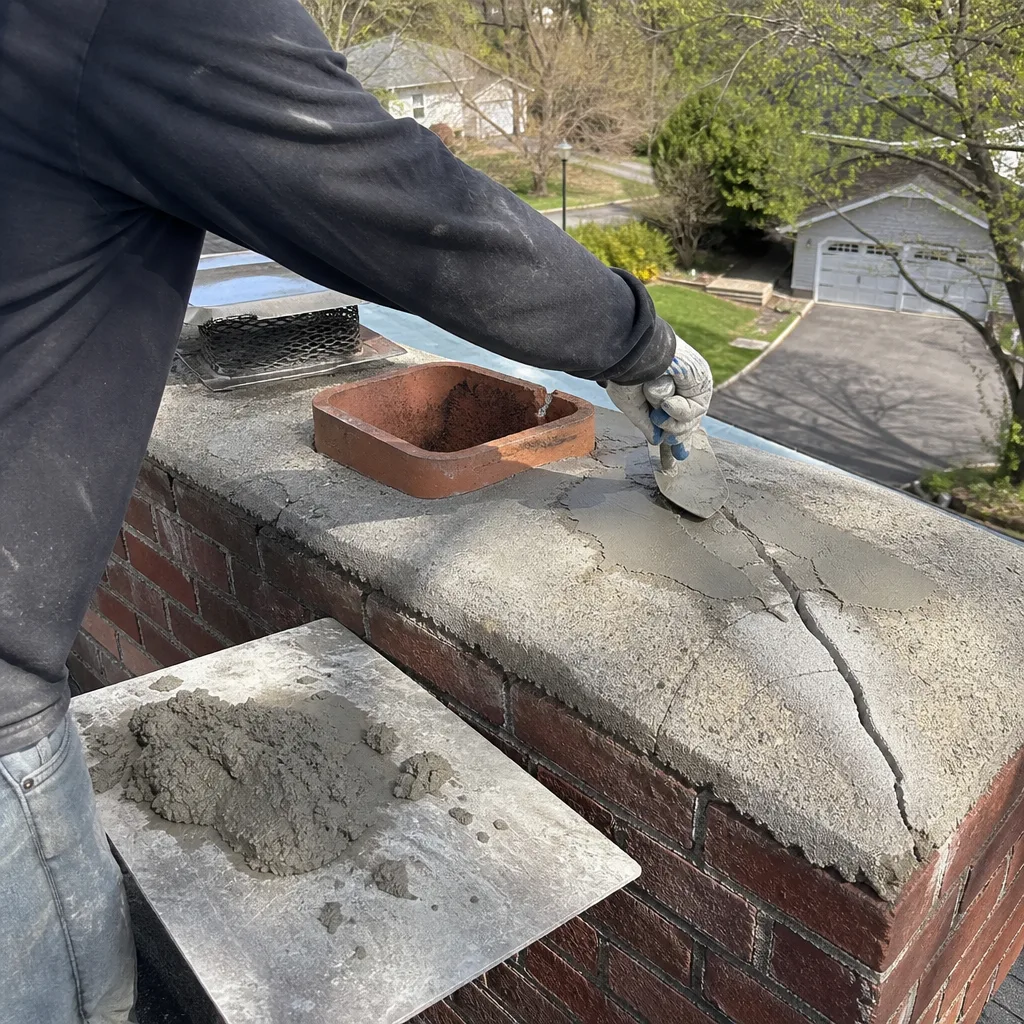
You won’t find honest pricing on most chimney websites in Fairfax. You’ll find “call for a quote.” We believe a written price range on the page is the minimum standard for a homeowner who needs to decide whether a repair is worth opening the door for. Here are the actual price ranges we’ve quoted for these repairs in Fairfax, with the variables that move the number in either direction. These are 2025 Fairfax market prices, not national averages.
- Chimney sweep with camera inspection and photo report: $229-$349, depending on chimney height, creosote class, and whether the fireplace or stove has been serviced in the last two years. This includes the full NFPA 211 Level 2 camera scan and the documented photo record.
- Chimney cap replacement or new cap install: $289-$649, depending on the flue tile size, mounting surface condition, and whether you choose a standard single-flue cap or a custom multi-flue cap from Famco or Olympia Chimney. Fairfax’s mix of older single-flue brick chimneys and newer multi-flue prefab units means the cap range here is wider than in newer developments.
- Flue liner resurfacing (HeatShield or equivalent): $1,800-$3,200 for a single flue, depending on liner height, damage pattern, and access. This is the repair we recommend when the camera shows a single crack or minor spalling in an otherwise sound liner.
- Full stainless steel liner install (DuraFlex or equivalent): $3,800-$6,800 for a single-flue masonry chimney, depending on height, liner diameter, and whether the smoke chamber needs parging as part of the job. Fairfax’s older homes, especially the 1950s colonials in Fairfax City and the 1970s ramblers along Little River Turnpike, often need the smoke chamber addressed at the same time.
- Crown rebuild or reseal: $550-$1,100, depending on crown size, crack severity, and whether we’re casting a new form with a proper bond break or sealing existing work.
- Tuckpointing or localized brick repair: $450-$1,800, depending on the number of bricks, chimney height, and access difficulty. Rooftop access on a steep Fairfax roofline adds cost; ground-accessible chimneys on one-story ramblers cost less.
These are written price ranges, and the written price you receive before work starts will fall within these ranges or we’ll explain exactly which variable moves it outside. That’s how it works here. You get a written price, a written scope, and a written warranty before anyone touches a tool. If you’re comparing against another Fairfax chimney company’s written quote, bring it in and we’ll give you a free second opinion on it. That’s a standing offer.
What You Can Safely Check Yourself (and How)
Most of what a homeowner can check without a ladder falls into the category of observation, not diagnosis. Here’s a step-by-step for the checks you can do from the ground and from the fireplace opening, in order of usefulness. These are safe to do. What is not safe is climbing onto a roof without a proper anchor, a spotter, and fall protection, or reaching into a chimney cavity without gloves and eye protection. If the following steps raise a red flag, the next step is a professional inspection, not a DIY fix.
Step One: The Exterior Walkaround
- Stand at least twenty feet from the chimney and look at the full structure from the ground up to the cap.
- Look for white chalky deposits. Note where they appear: top third, middle, or full face.
- Look for flaking brick faces. Note where they appear and whether there is debris on the roof or ground below.
- Look at the cap, if you can see it. Note whether it sits flush on the crown, whether it’s rusted, and whether the mesh screening is intact.
- Look at the mortar joints. Note any joints where the mortar appears to be missing, cracked, or recessed more than a quarter inch.
Fairfax’s housing stock runs from 1940s bungalows in Fairfax City to 1990s and 2000s houses in the western Fairfax County subdivisions. Each era has a different chimney profile, and the ground-level walkaround catches different things on each. On the older brick chimneys, efflorescence and spalling are the primary findings. On the newer prefab chimneys, the chase top rusting or the cap loosening is what the walkaround will find first.
Step Two: The Fireplace Interior Check
- With the damper open, shine a bright flashlight up into the flue from inside the firebox. Do not put your head inside the chimney.
- Look for a black, shiny, tar-like coating on the flue walls. This is Class III creosote, and it is a fire hazard.
- Look for cracked or missing tiles if you have a clay liner. A borescope isn’t necessary for the first check; a good flashlight will show you the first few feet.
- Look at the damper plate. Note any rust, and note where the rust sits: top face, hinge line, or underside.
- Look into the ash pile for droppings, nesting material, or animal remains. Note what you find and don’t touch it with bare hands.
These two sets of observations will put you in the position of knowing which column your chimney falls into before you talk to any chimney company. If you see smoke stains above the fireplace opening, white residue on the firebox walls, or rust streaking on the damper, you have a diagnostic finding worth a camera scan. If everything reads clean but your chimney has not been swept in three or more years, the creosote layer is still there even if you can’t see it. The camera sees what a flashlight misses.
Step Three: The Written-Quote Comparison
- Get every quote in writing. If a Fairfax chimney company won’t put a price in writing before work starts, treat that as a disqualifier, not a negotiation point.
- Ask for the photo record. If a sweep can’t or won’t show you photos of what they found, they are asking you to take their word for it. The Haven Standard, which governs how we work, requires a documented photo record on every job. It’s not an upsell.
- Ask what standard the inspection follows. If it isn’t NFPA 211, ask why. A flashlight look is not an inspection.
- Ask what liner material they use and why. Brands like DuraFlex, Olympia Chimney, and Copperfield make the short list for a reason. Knockoff materials have no place in a flue system.
- Ask who does the work. The license should be checkable, the technician should be named, and the company should be able to tell you who is coming before they arrive.
Common Mistakes to Avoid
- Treating every smoke smell as an emergency, or none of them as one. The cold smoke smell is a maintenance issue, not a hazard. The sulfur smell is a hazard. If you put all smells in one basket, you either overpay for a sweep when you needed to schedule one at your convenience or under-react to a venting problem. Know which column the smell falls into before you call anyone.
- Reading efflorescence as “the chimney needs repointing,” when it actually means the chimney needs a water source eliminated. Repointing over efflorescence without fixing the water entry point means the same salts will bloom through the new mortar in a season. In Fairfax’s freeze-thaw climate, you’ll get about two winters before the new mortar starts cracking the same way.
- Assuming a capped chimney is a protected chimney. A cap that is the wrong size, installed incorrectly, or rusted through at the screen is just as wet as an uncapped chimney. We see this constantly: homeowners who assume their chimney is capped, and the camera scan shows a rusted cap funneling water directly into the flue.
- Burning unseasoned wood and then blaming the chimney for the smoke smell. Fairfax has no shortage of firewood sellers, and a good percentage of the wood sold in this market is not properly seasoned. Green wood produces a cool, slow fire that deposits creosote rapidly and can stall the draft, which makes the living room smell like smoke even in a perfectly sound chimney.
- Waiting for a visible symptom before getting an inspection. The cracked liner has no visible symptom until it does, and by then the repair is a reline. A camera scan costs less than the deductible on the claim you’ll be filing if the breach turns into a chimney fire.
- Accepting a verbal quote as a quote. In any Fairfax home services trade, a verbal quote is a range, not a commitment. A written quote that specifies scope, materials, and warranty is the only kind of quote that actually protects you. We put it in writing before we begin because the alternative is a dispute about what was said. That’s the whole point of the Haven Standard’s first clause: have it in writing.
When to Call a Professional
Call the moment any of the stop-use-now signs appears: smoke backing into the room, a sulfur smell during a fire, visible flames in the flue, or smoke escaping through the chimney exterior. Do not use the fireplace until it has been camera-inspected. For the 30-day signs, call when you’re ready to schedule the repair on your calendar, and you’ll want the sweep out within a few weeks of noticing the efflorescence, rust pattern, or cold smoke smell. If you’re a Fairfax homeowner who wants the full picture before deciding, we’ll send a technician to run the camera scan and walk you through the photo record on the spot. Level Two Chimney Fairfax offers free estimates in Fairfax, with a written price and written scope before any work starts. Call (571) 443-8256 and you’ll reach a live person, day or night. We’ve been serving Fairfax since 2009, and the photo record on every visit is standard, not optional.
Frequently Asked Questions
A chimney sweep with a camera inspection and documented photo report runs $229-$349 in Fairfax, depending on chimney height, creosote class, and the interval since the last service. The camera scan is included in that price, not billed as an add-on. For a written quote on your specific chimney, call (571) 443-8256 and we’ll walk you through what the job will involve before we send anyone out.
If you burn wood in Fairfax, sweep once per year, ideally in the early fall before the burn season starts. That cadence accounts for the oak-heavy firewood common to this region, which burns hot but deposits creosote steadily. Homeowners who burn only a handful of fires per season in a gas-log or prefab fireplace can often go two years, but the camera scan at year one is what tells you whether a second year is safe. If you’ve skipped a few seasons, the creosote layer is thicker than you think, and the camera will show you exactly how thick.
You need a new liner if the camera scan shows a crack in the clay tile that runs the full height of a section, a shifted tile joint, or flue gases escaping into the chimney cavity. You do not need a new liner if the camera shows surface creosote and minor mortar erosion that a sweep and a resurfacing product like HeatShield can address. The way to know you’re not being upsold is to see the photos yourself. If a Fairfax chimney company quotes a liner replacement without showing you camera evidence, treat the quote as unproven. For help vetting contractors, read How to Hire a Chimney Cleaning Contractor in Fairfax. We’ll show you the scan and tell you plainly whether a resurfacing is sufficient or whether the liner is beyond it. Our motivation is the 365-Day Done Right Promise: if it’s not done right, we make it right, which means we’d rather quote the repair that actually fixes the problem.
The short answer is that creosote builds up in a concentrated layer, and the next hot fire you build can ignite it. A chimney fire burns hot enough to crack a flue liner, split the masonry, and transfer enough heat to the framing around the chimney chase to start a house fire. The long answer is that skipped cleanings shorten the life of the liner, because the acidic creosote layer attacks mortar joints and corrodes metal over time. In Fairfax’s older brick chimneys, a skipped five or six years of cleanings is often the difference between a $300 sweep and a $4,000 reline. If it has been a while, call us and we’ll give you a written price before we start.
Creosote absorbs humidity and releases smoke odor when the air gets damp, which is why the smell is worst on humid Fairfax summer days and in the shoulder seasons. It is not a draft problem. The fix is a sweep, and in most cases, the odor resolves fully once the creosote layer is removed. If the smell persists after a sweep, the camera scan will find the residual cause, and we’ll show it to you in the photo report.
Every sweep should include an inspection, but the standard varies widely. A flashlight look up the flue from the firebox is not an inspection. An NFPA 211 Level 2 inspection, which uses a camera to scan the full flue run, the smoke chamber, and the cap setup, is the only way to see cracks, breaches, and animal activity that the flashlight misses. Since 2009, we’ve made the camera scan and photo record standard on every visit, which means you walk away with a visual record of what was found, not just a verbal summary. Ask any company you’re considering in Fairfax whether their sweep includes a camera scan and a photo report. You can also browse our more guides & resources to know exactly what to expect. If the answer is no, that’s the reason to call someone else.
The Bottom Line
Fairfax chimneys give you warnings in two categories. The first category means stop using the fireplace today: smoke in the room, sulfur smells during a fire, visible flames in the flue, smoke escaping through the brick face. The second category means schedule a repair within 30 days: efflorescence, cold smoke odors, damper rust, mild spalling. The camera inspection is what settles any case that isn’t obvious, and it